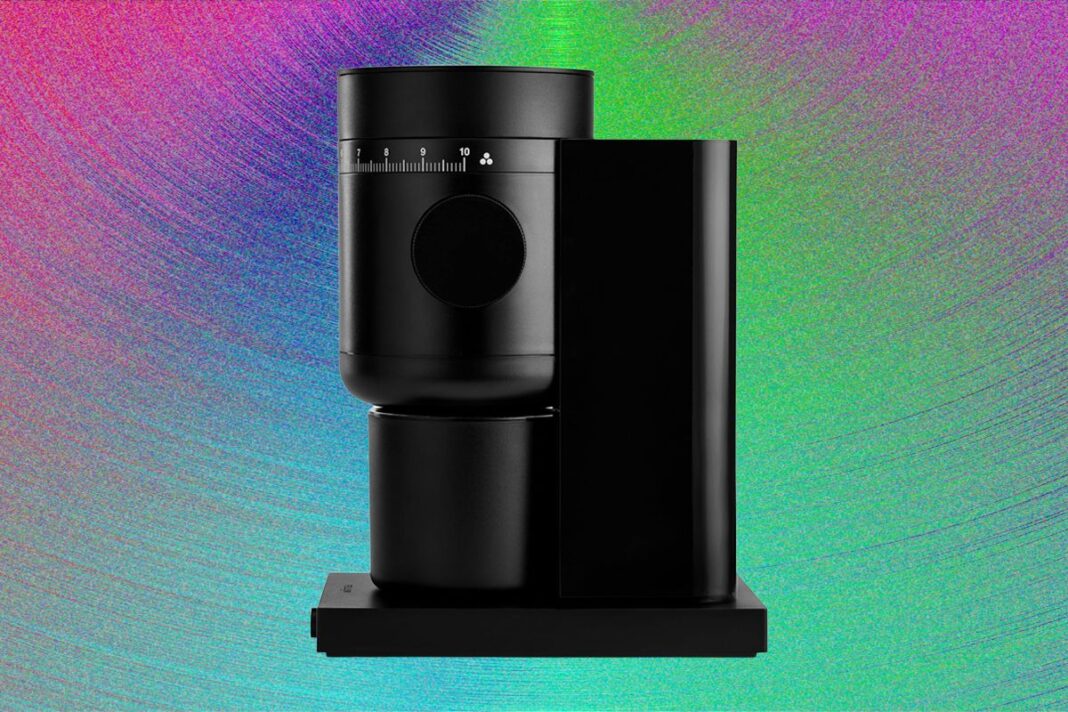
The best coffee grinders for 2026 were selected through particle size analysis and real-world testing. Evaluators compared conical burr, flat burr, and blade models across multiple brewing methods. Results highlighted consistent grind quality as the strongest predictor of flavor.
Particle size distribution separates a quality grinder from a mediocre one. Uniform grounds extract evenly, preventing bitterness or sourness in the final cup. Lab testing measured how closely each grinder hit its target grind size.
Conical burr grinders excelled at medium to coarse settings for drip and French press. Their cone-shaped burrs crush beans gradually with less heat buildup. This design suits beginners seeking reliable, forgiving performance.
Flat burr grinders dominated espresso-focused testing with tighter particle spread. Their parallel discs produce more consistent fine grounds for pressure-based brewing. Enthusiasts willing to spend more often prefer this geometry.
Blade grinders remained the budget option but showed uneven particle distribution. They chop rather than grind, creating a mix of powder and coarse chunks. Acceptable for casual use, though not for precise extraction.
Tasting panels confirmed that grind uniformity mattered more than brand or price. A midrange conical model outperformed a premium blade unit in blind tests. Flavor clarity tracked directly with narrower particle variance.
Buyers should match grinder type to their primary brewing method and daily volume. Espresso demands fine, consistent output, while cold brew tolerates coarser, less uniform grounds. The right choice depends on budget, ritual, and taste preference.