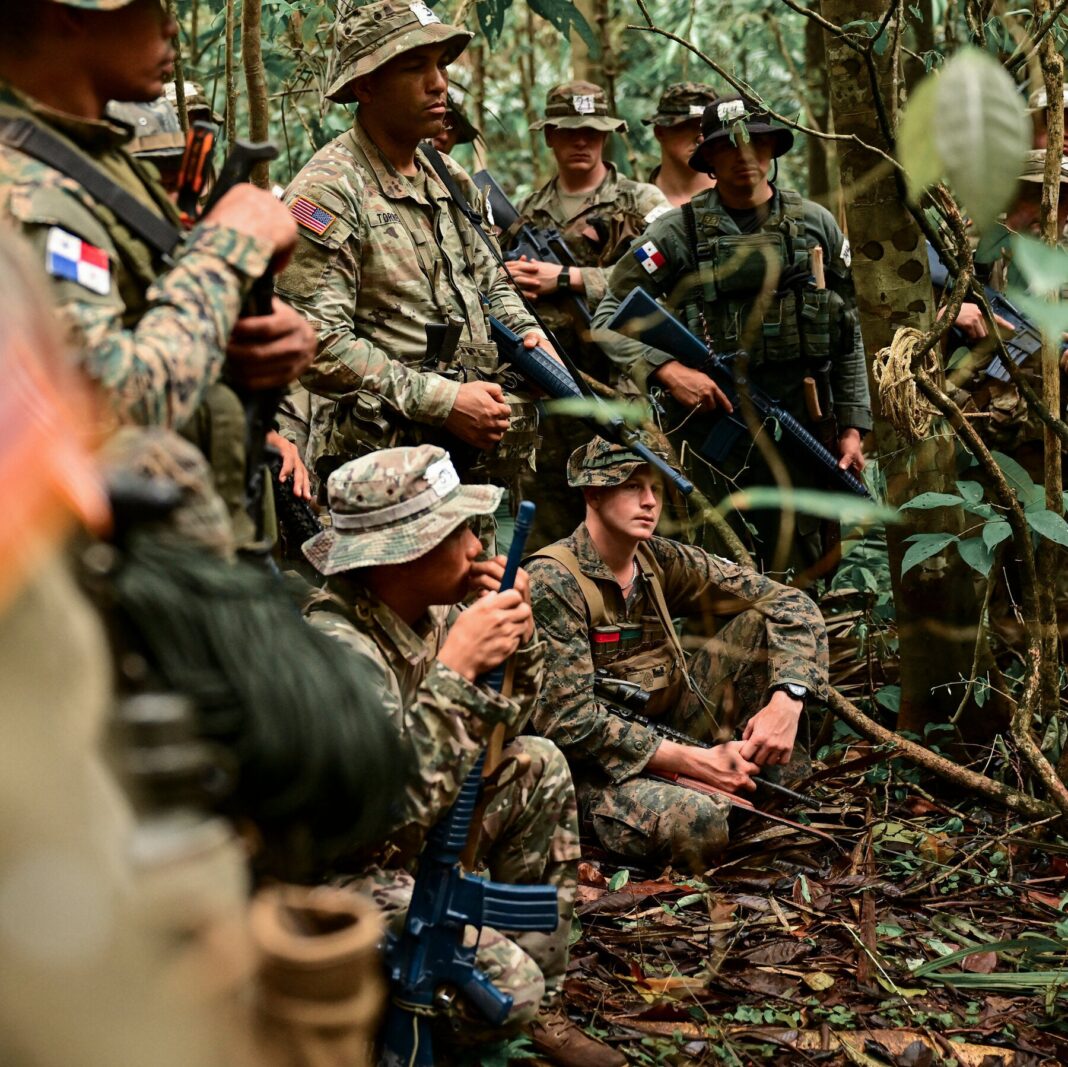
The Pentagon is sending hundreds of troops to Latin America. The mission targets drug trafficking networks across the region. Officials say the deployment marks a significant expansion of military operations.
The move echoes a long history of U.S. intervention in Latin America. Past operations have drawn criticism for civilian harm and political instability. This deployment revives those concerns among regional observers.
Military planners describe the effort as a sustained campaign. Troops will support surveillance, interdiction, and training missions. The Pentagon has not disclosed specific countries or timelines.
Drug trafficking groups have grown more sophisticated in recent years. Cartels now operate across multiple borders with advanced logistics. U.S. officials view the threat as a national security priority.
Latin American governments have offered mixed reactions. Some welcome added support for struggling security forces. Others warn that foreign troops could inflame local tensions.
Critics question whether military force can solve a complex problem. Drug trafficking stems from poverty, corruption, and weak institutions. A purely military approach may address symptoms rather than causes.
The deployment raises legal and diplomatic questions. Past interventions have strained U.S. relations with the region. Congressional leaders have demanded clearer objectives before troops deploy.
The Pentagon insists the mission is limited in scope. Officials say it focuses on intelligence sharing and partner capacity. No direct combat role is planned for U.S. forces.
Regional experts remain skeptical of those assurances. They note that similar missions have expanded over time. The risk of mission creep remains a persistent concern.
The White House has framed the deployment as a partnership effort. Latin American nations will lead operations on their own soil. U.S. troops will provide support and logistical backing.
Public opinion in Latin America is divided on the issue. Many recall past U.S. involvement with deep suspicion. Trust remains fragile after decades of intervention.
The operation is expected to unfold over several months. Lawmakers have promised close oversight of the mission. Further details will emerge as troops begin arriving.