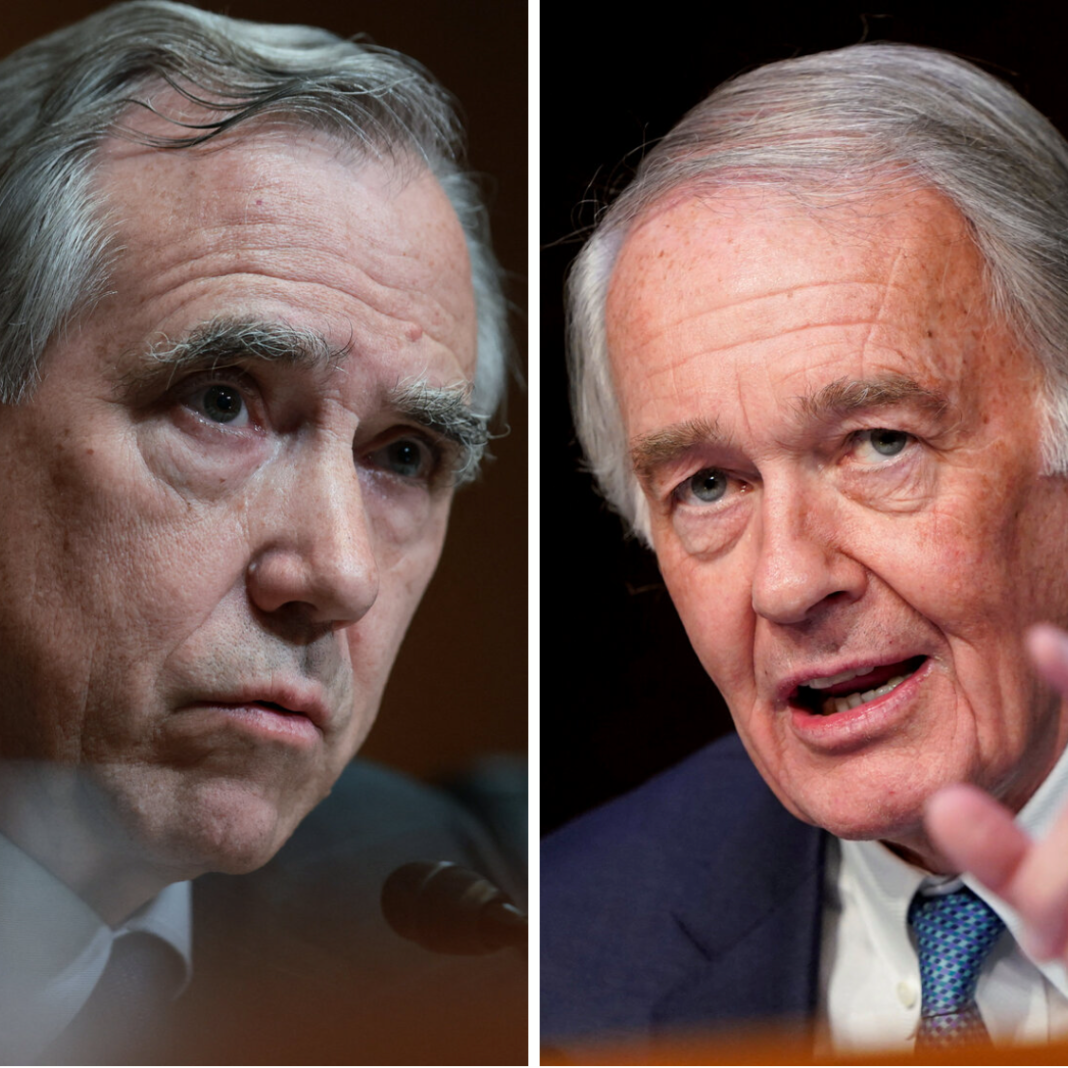
Democratic candidates in Minnesota, Maine, and Michigan face tighter races than party leaders expected. Hopes for a broad blue wave have not translated into comfortable leads. Local political conditions are creating unexpected obstacles in each state.
In Minnesota, the contest has grown more competitive as regional issues dominate the campaign. Candidates have struggled to separate themselves in recent polling. The state remains a key target for both parties.
Maine presents a similar challenge, where independent voters hold significant influence. Democratic candidates have yet to build a decisive advantage. Local concerns are outweighing national messaging in many districts.
Michigan rounds out the trio of closely watched states. Economic worries and regional turnout patterns are keeping races close. Polling averages show no clear frontrunner in several key contests.
National Democratic leaders had anticipated a stronger showing across the Midwest and Northeast. That optimism has cooled as local dynamics take center stage. Candidates are now adjusting their strategies to address state-specific issues.
Republican contenders have capitalized on the narrowed margins. They are focusing on local grievances and turnout operations. The shift has forced Democrats to spend more time and money defending once-safe seats.
The tightened races could shape the broader midterm narrative. Every seat matters as both parties fight for control of Congress. Maine, Michigan, and Minnesota have become central to those calculations.
With weeks left before voting, the contests remain fluid. Campaigns are intensifying their ground games and advertising. The final outcome will depend on which party can mobilize its base most effectively.