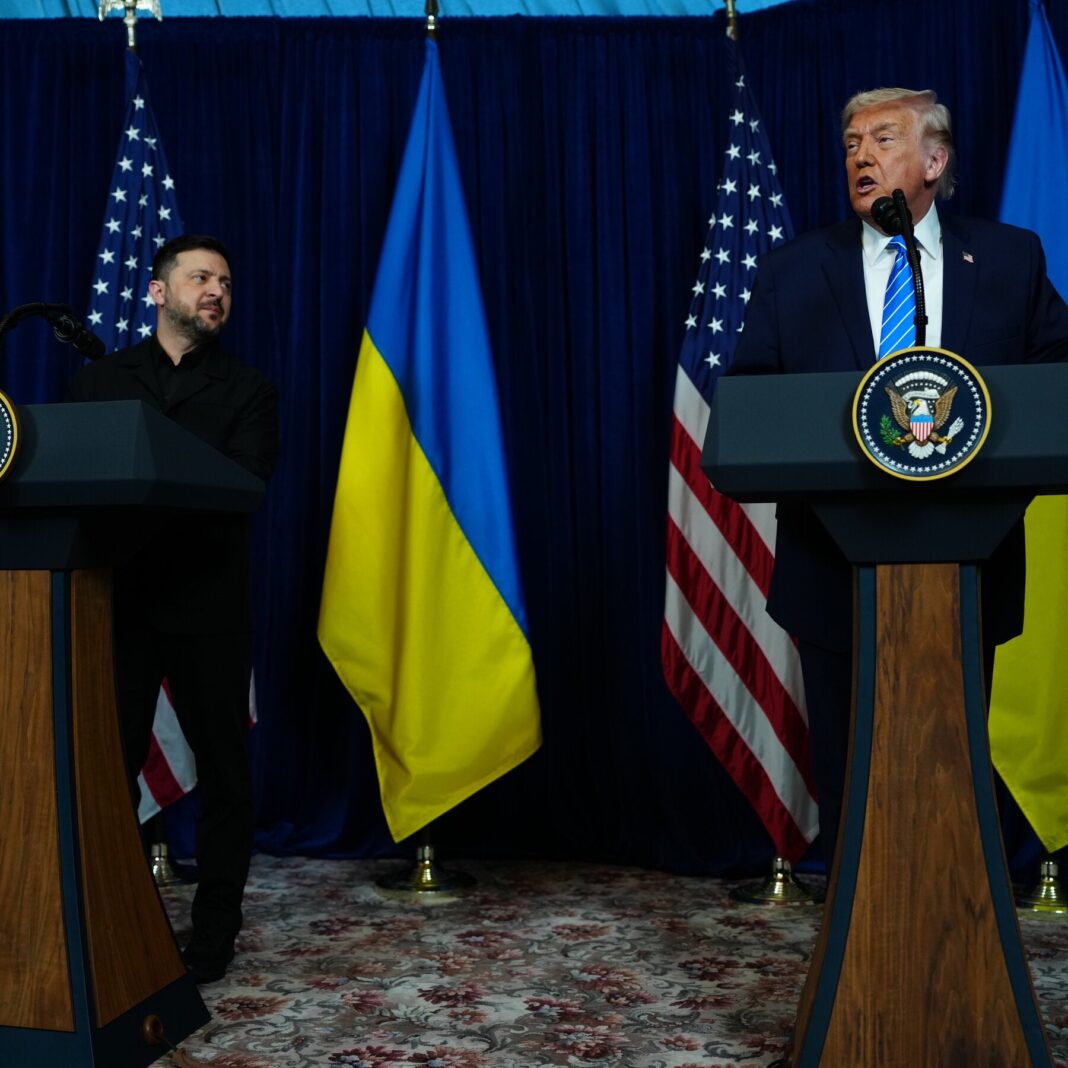
President Trump’s latest push to end the war in Ukraine has raised questions about the future of U.S. support.
American aid to Kyiv has shifted significantly since Trump took office. The changes reflect a broader rethinking of Washington’s role in the conflict.
Early in his term, Trump paused military assistance to pressure Ukraine into negotiations. That pause drew bipartisan criticism and renewed attention to U.S. commitments abroad.
The administration later resumed some aid, but with new conditions attached. Future support is now tied to diplomatic progress and European burden-sharing.
Congress has remained divided on the issue, with some lawmakers pushing for continued lethal aid. Others argue that U.S. taxpayers should not bear the primary cost.
European allies have increased their own contributions in response to the uncertainty. Germany, France, and Poland have pledged additional funds and weapons.
Military analysts say the shifting policy has created confusion on the battlefield. Ukrainian forces face planning challenges without predictable supply lines.
The White House maintains that any future aid will depend on Ukraine’s willingness to negotiate. Talks are expected to continue in the coming weeks.
Observers note that U.S. policy under Trump has become less predictable than during the previous administration. That unpredictability affects both allies and adversaries.
The long-term impact on the war remains unclear. What is certain is that Washington’s approach has changed fundamentally.