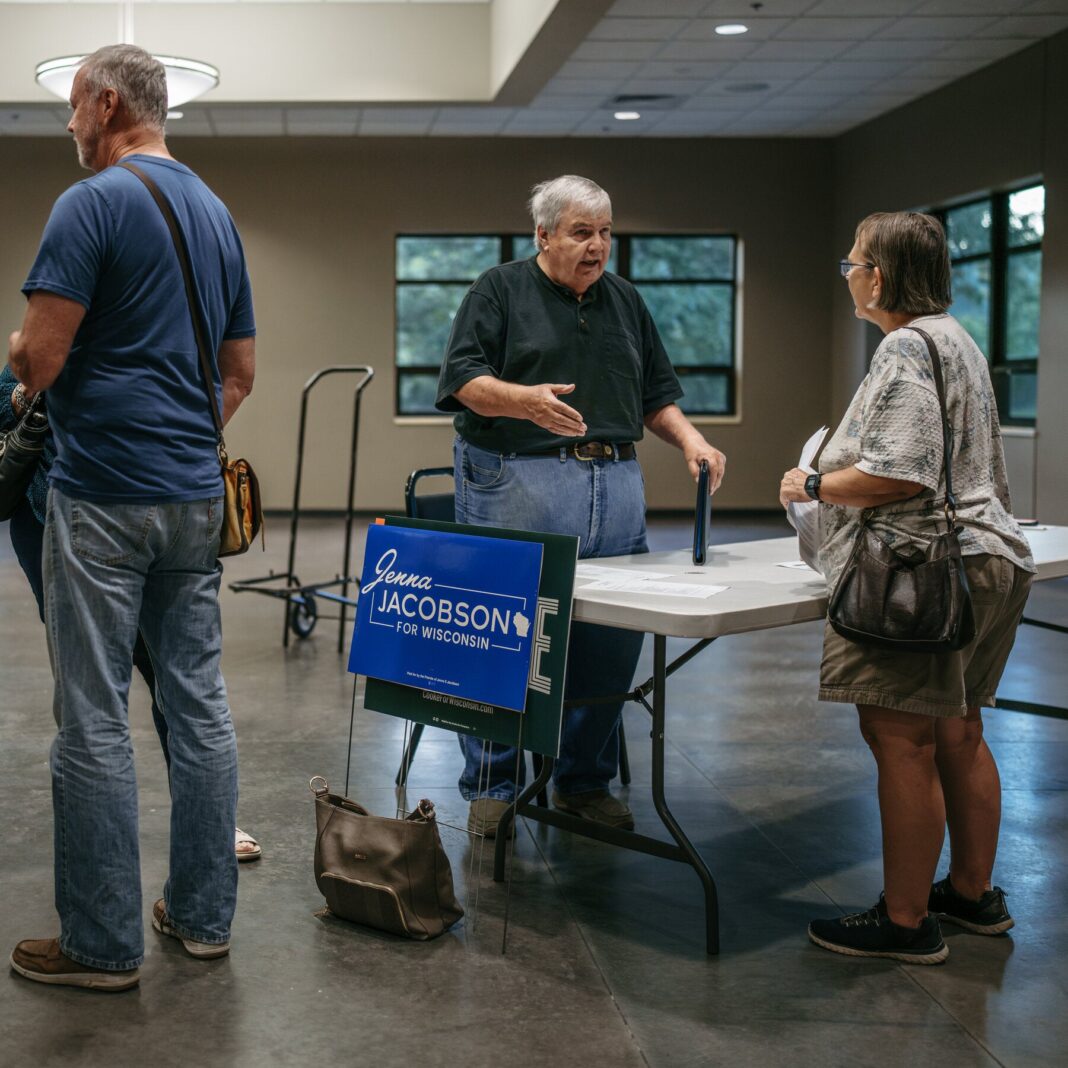
State legislature elections will take place across dozens of states this November. These races receive far less attention than federal contests, yet they shape everyday life. The outcomes will determine which party controls key statehouses for years to come.
All 50 states have legislatures, but only some hold elections this cycle. Most states use a two-year election schedule for their lower chambers. Several states elect their upper chambers on a staggered basis. This mix creates a patchwork of contests nationwide.
Partisan control of state legislatures influences policy on taxes, education, and health care. State lawmakers also draw congressional district maps after each census. That gives these elections long-term consequences beyond a single term. Both parties are pouring money into targeted districts.
Republicans currently hold a majority of state legislative chambers. Democrats are targeting several suburban districts where their recent gains have been strong. The balance of power could shift in a handful of states. Fewer than ten chambers are considered true toss-ups.
Key battlegrounds include Michigan, Minnesota, and Pennsylvania. Each has a divided or narrowly held legislature. Arizona and New Hampshire also feature competitive races for both chambers. These states will likely decide the national narrative.
Redistricting continues to shape the playing field in several states. New maps in some states have created safer seats for one party. Court challenges have forced redraws in others, adding uncertainty. Candidates are still adjusting to shifting district lines.
Turnout in state legislative races typically lags far behind presidential years. That means organized groups and local activists can have outsized influence. Small margins often decide who controls a chamber. Every seat matters in close contests.
Voters will also decide ballot measures on topics like abortion and voting rules. These measures can drive turnout in down-ballot races. That may help one party or the other in specific states. The full impact will not be clear until results arrive.
State legislatures approve budgets, set school funding, and regulate businesses. They also handle election laws and emergency powers. The party in control sets the agenda for all of these areas. That is why these elections matter even in non-presidential years.
Results may take days or weeks in close races. Mail-in ballot counting and recounts can delay final outcomes. Both parties are preparing for legal fights in tight districts. The final map of power could remain unsettled into December.