Exchange-traded funds often appear inexpensive due to low headline expense ratios. However, the total cost of owning these funds can be significantly higher.
Many popular ETFs have seen their fees remain stubbornly high despite massive growth in assets. Scale has not translated into savings for investors.
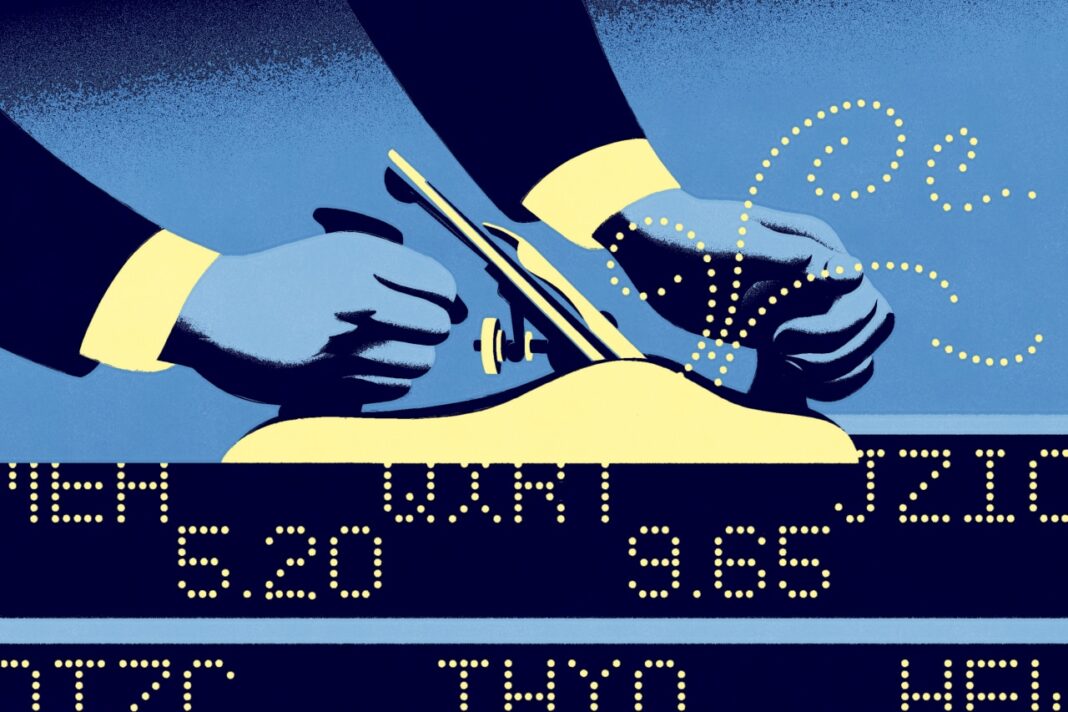
Trading costs, bid-ask spreads, and market impact add hidden expenses. These charges quietly reduce returns over time.
Investors frequently overlook these indirect costs when comparing funds. The stated expense ratio tells only part of the story.
Larger funds should benefit from economies of scale. Yet several top ETFs have barely reduced their fees in recent years.
Fund providers may prioritize profits over passing savings to shareholders. This leaves investors paying more than necessary.
Examining total costs requires looking beyond the expense ratio. Spreads and trading volume matter just as much.
Even small extra costs compound significantly over long holding periods. A few basis points can erode substantial wealth.
Investors should compare total expense figures across similar funds. Choosing the cheapest headline option may not be the most cost-effective.
Regulators have pushed for greater fee transparency in recent years. Progress remains slow for many mainstream products.
Understanding all associated costs helps investors make better decisions. Cheap is not always truly cheap in the ETF market.