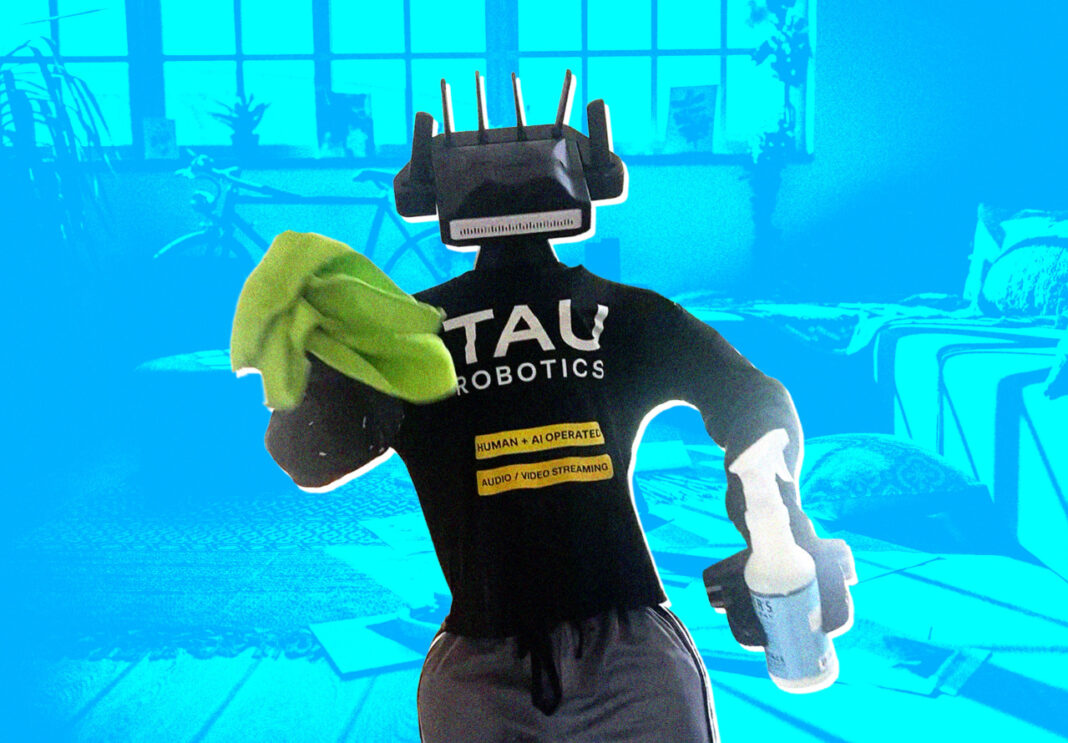
Two humanoid robots, each costing more than $55,000, spent an afternoon performing household chores in a private home. The machines vacuumed floors and wiped counters during the demonstration. Both are built by Tau Robotics, a company developing general-purpose humanoid systems.
The robots operated with assistance from remote human operators behind the scenes. Engineers monitored and guided certain tasks, stepping in when the machines struggled or paused. This hybrid approach shows how much human support current humanoid robots still require in real homes.
Loading a dishwasher proved difficult for the machines. The task demands precise hand coordination and the ability to identify and grip varied objects. Robots handled simpler chores like vacuuming far more reliably than kitchen work.
Each unit carries a price above $55,000. That figure places the technology well beyond most household budgets for now. Companies often compare early pricing to industrial equipment rather than consumer appliances.
Humanoid robots are attracting heavy investment across the tech industry. Several firms are racing to build machines that can handle everyday physical work. Most designs remain in testing and rarely appear in ordinary homes.
The demonstration revealed real progress alongside clear limits. Vacuuming and wiping are manageable for current hardware and software. More complex chores still expose gaps in dexterity and decision-making.
Tau Robotics uses human operators to fill those gaps during trials and demonstrations. This setup allows the company to collect data and improve its models over time. Full independence for household tasks appears to be a distant goal.
Robot household help remains an early-stage technology rather than a ready product. Buyers should expect continued human involvement in deployments for years. The $55,000 robot can clean a floor, but it cannot yet run a home.