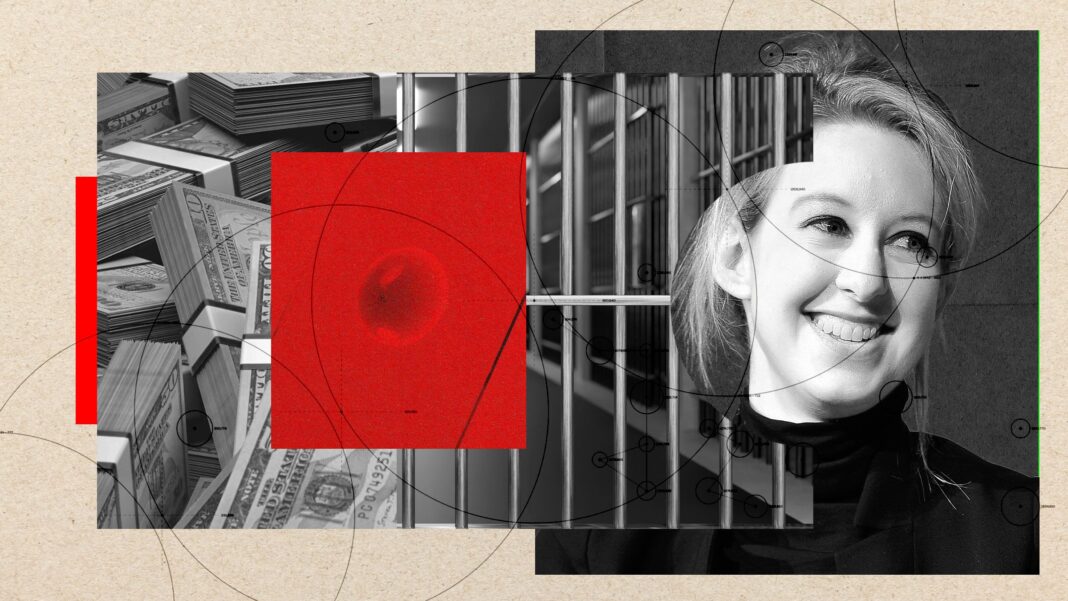
WIRED was the first magazine to feature Theranos and its founder, Elizabeth Holmes. The outlet later acknowledged that warning signs were present even in that early coverage.
Holmes pitched a device that could run dozens of blood tests from a single finger prick. The claim promised to transform medical testing and attracted widespread media attention.
Reporters and investors were drawn to her confident presentation and high-profile backers. Few questioned the technology in detail during the company’s rise.
Evidence later showed the devices could not deliver on the promised capabilities. Internal concerns surfaced but received little public scrutiny at the time.
The episode exposed weaknesses in how media outlets vet ambitious health technology claims. Early coverage often repeated company statements without independent verification.
Journalists now face closer scrutiny of bold medical promises before publication. Experts recommend demanding outside validation of core technical claims.
Theranos dissolved after regulators and investigators examined its practices. Holmes was later convicted of fraud tied to the company’s operations.
The case remains a cautionary example for reporters covering startup science. Verify claims independently, consult outside experts, and treat confident founders with healthy skepticism.