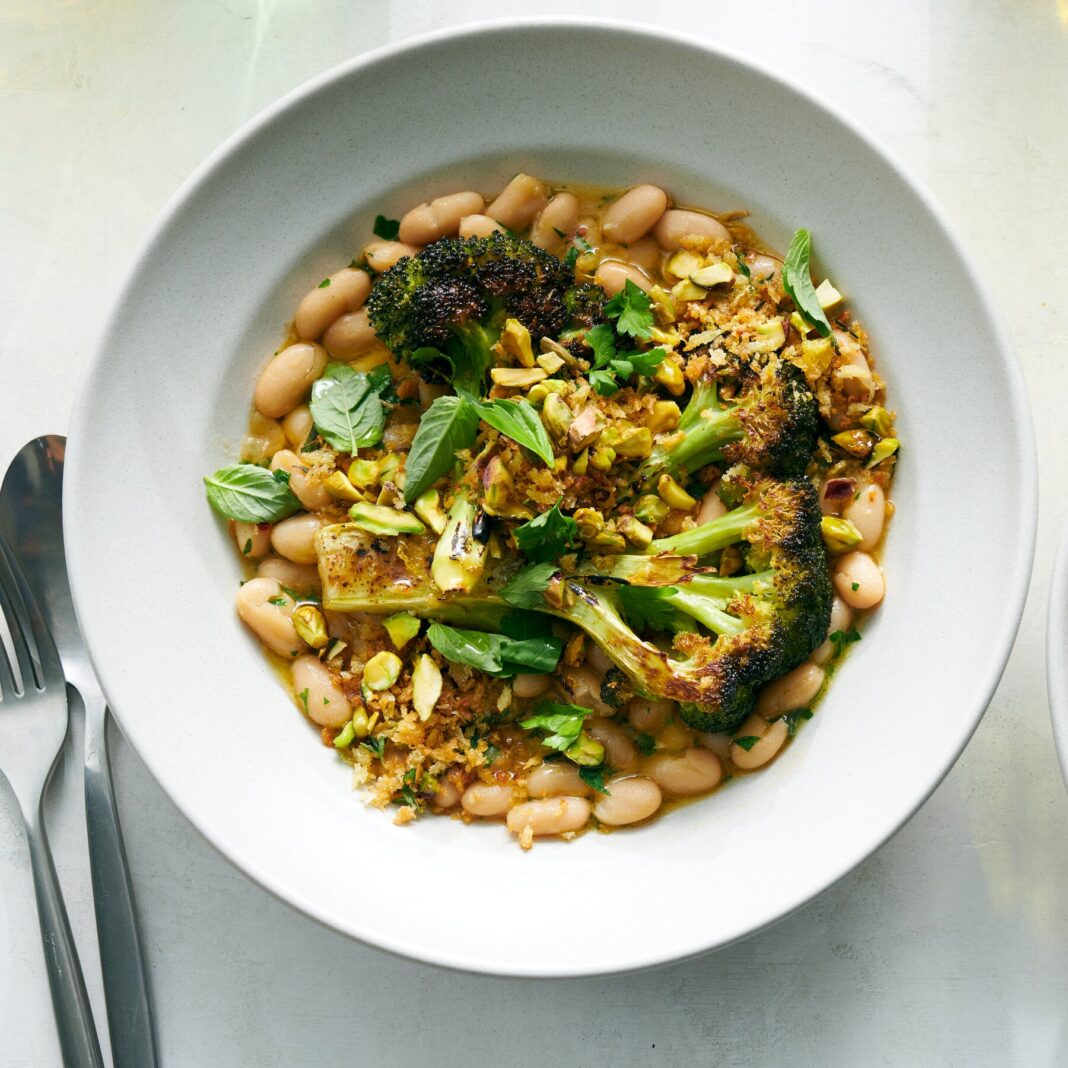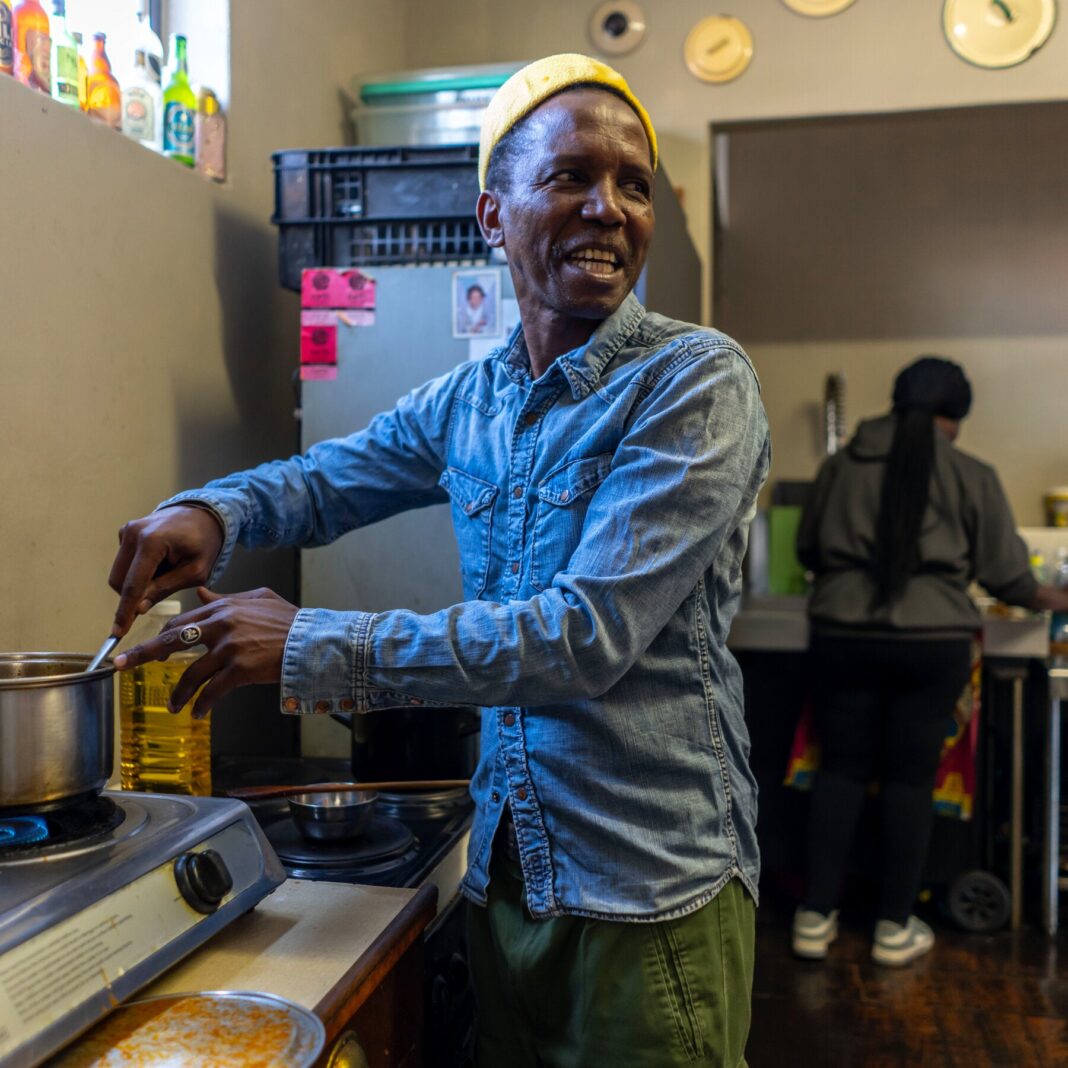
A self-taught chef in South Africa draws ingredients and ideas from immigrant-run restaurants. The work highlights the flavors newcomers bring to the country. It also pushes back against rising xenophobia.
Immigrant-owned eateries across South Africa serve dishes rooted in home traditions. These kitchens introduce spices, techniques, and recipes to local diners. The chef borrows freely from these sources.
The chef learned cooking without formal training. Inspiration came from meals shared in immigrant communities. Each dish reflects a blend of local and imported influences.
South Africa has seen growing hostility toward migrants in recent years. Tensions have flared in Johannesburg and other cities. Anti-migrant sentiment has turned violent at times.
Food offers a way to counter these attitudes. Shared meals create familiarity between communities. The chef hopes exposure to immigrant cuisine will soften public views.
Restaurants run by migrants face pressure from the same hostility. Many operate under difficult conditions. Their contributions to local food culture often go unnoticed.
The chef’s approach treats immigrant cooking as part of South Africa’s culinary identity. It encourages diners to see newcomers as neighbors. The table becomes a place for dialogue.
Supporting immigrant-run restaurants can help sustain livelihoods. It also keeps diverse flavors available to the public. Small acts of patronage carry wider social weight.