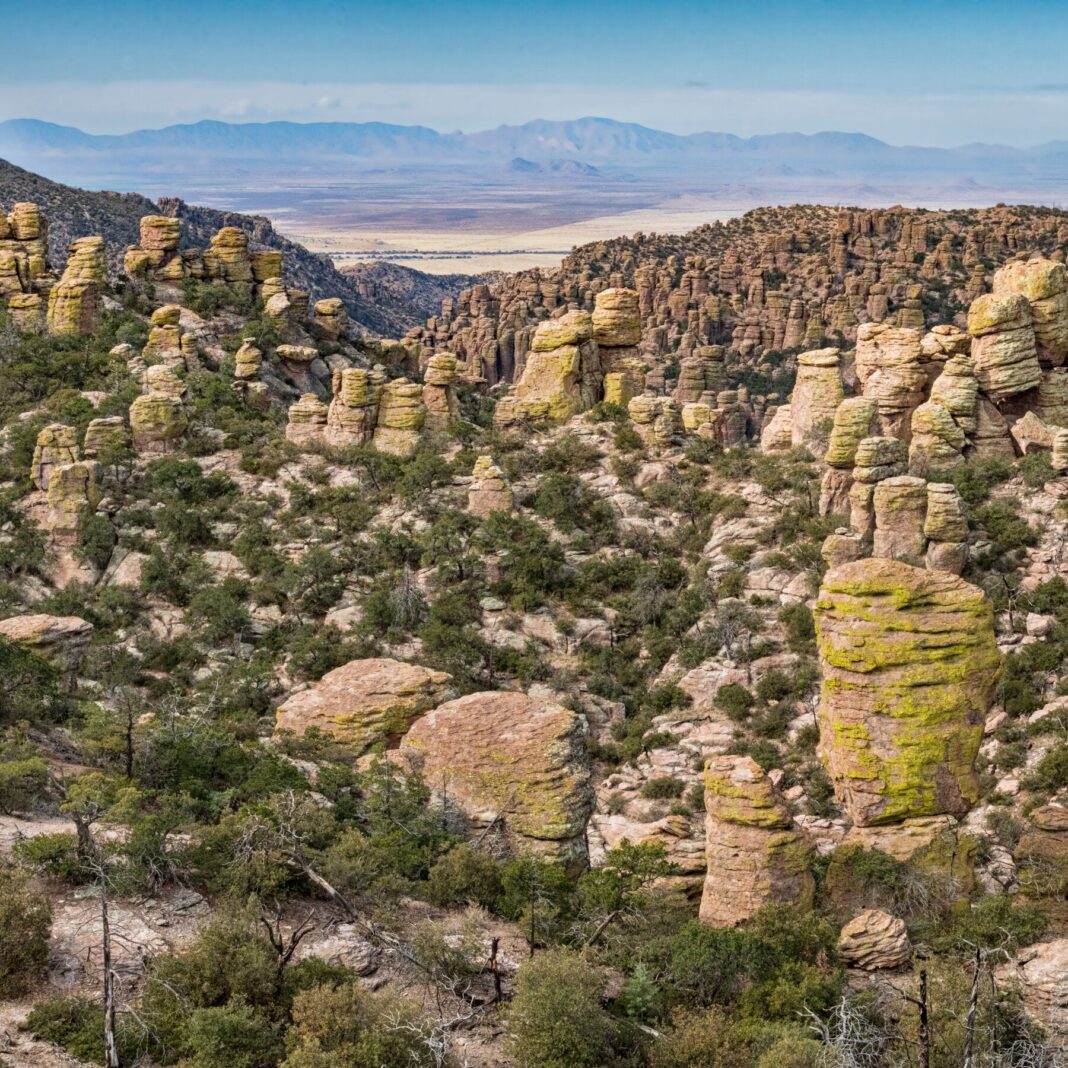
A years-long bipartisan push has elevated Chiricahua National Monument in southeast Arizona to national park status. The designation makes it the 64th national park in the United States.
The former monument sits in a remote corner of southeastern Arizona. Its dramatic rock formations rise from the surrounding desert landscape.
The area is often described as a “sky island,” a mountain range isolated by surrounding lowlands. These isolated ranges support unique plants and wildlife found nowhere else.
Local communities and congressional delegations from both parties backed the change for years. Supporters argued the upgrade would boost tourism and protect the landscape.
National park status typically brings more funding and staff for conservation and visitor services. It can also raise the site’s profile among travelers.
The redesignation followed standard procedures for upgrading a monument to a park. Congress approved the change after extended debate and review.
Visitors can expect the same rugged terrain and hiking trails as before. The new title mainly changes how the site is managed and promoted.
The park remains less crowded than better-known destinations in the Southwest. Officials expect interest to grow with the new designation.