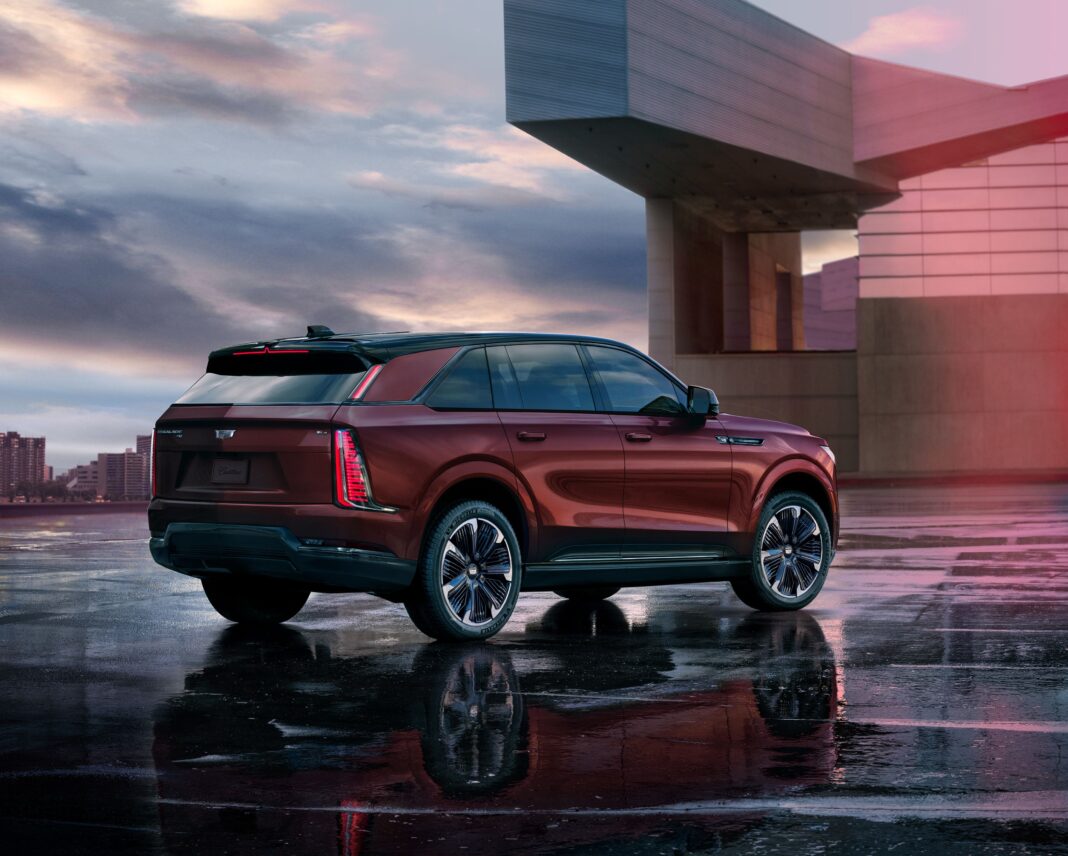
General Motors is developing vehicles designed to function as personal assistants and autonomous errand-runners. The Detroit automaker envisions cars that handle daily chores on behalf of drivers. This shift moves beyond transportation toward broader lifestyle integration.
The company’s strategy positions future vehicles as companions rather than simple machines. GM aims to blend autonomous driving with artificial intelligence to support routine tasks. Cars could eventually run errands without a driver present.
Engineers are building systems that learn driver preferences and habits over time. The vehicle would anticipate needs and act without direct commands. This includes scheduling stops and managing simple logistics during trips.
Autonomous errand-running depends on advanced self-driving software and reliable sensor suites. GM has invested heavily in driver-assistance technology and hands-free highway systems. Those foundations support more complex, unsupervised driving scenarios.
The automaker frames the vehicle as a “best friend” that responds to voice and behavior. In-car assistants would handle navigation, scheduling, and communication tasks. Drivers would interact with the car much like a digital helper.
Practical barriers remain, including regulation, safety validation, and public trust. Fully autonomous errands require legal frameworks that most regions lack. GM has not announced a production timeline for these features.
The concept signals a broader race among automakers to redefine the car’s role. Software and services are becoming central to vehicle value and brand loyalty. GM’s vision places the car at the center of daily life, not just the commute.