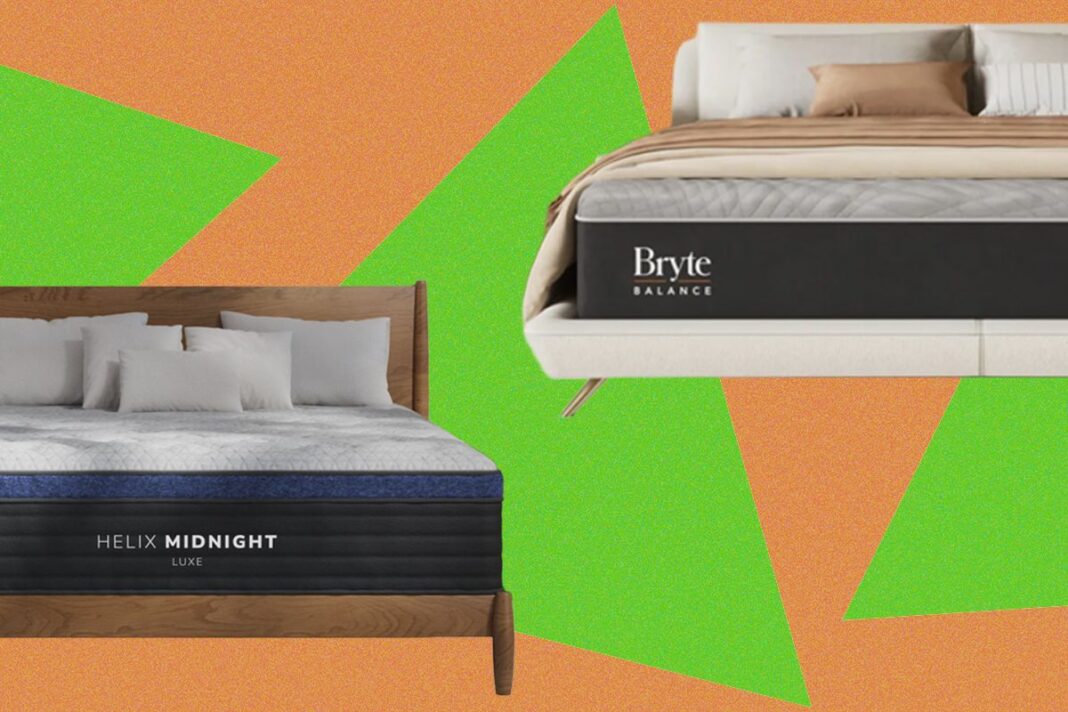
Choosing a mattress starts with understanding how you sleep. Back, side, and stomach sleepers each need different support. The right match reduces pressure and keeps your spine aligned.
Side sleepers usually need softer surfaces to cushion the shoulders and hips. Back sleepers benefit from medium firmness that supports the lower back. Stomach sleepers often do best with firmer mattresses that prevent the hips from sinking.
Mattress type matters as much as firmness. Memory foam contours to the body and isolates motion well. Innerspring and hybrid models offer more bounce and airflow, which helps hot sleepers stay cool.
Budget and durability deserve equal attention. Foam beds tend to cost less upfront but may soften over time. Latex and hybrid options often last longer and justify a higher price for long-term use.
Sleep trials and warranties protect your purchase. Most brands offer at least 100 nights to test a mattress at home. A strong warranty covers sagging and manufacturing defects for a decade or more.
Temperature regulation is a common concern. Foam can trap heat, while coil-based designs promote airflow. Breathable covers and cooling gels can further improve comfort.
Personal health needs should guide the final choice. Allergies, chronic pain, and partner movement all affect which model works. Testing a mattress in person, when possible, remains the most reliable way to decide.