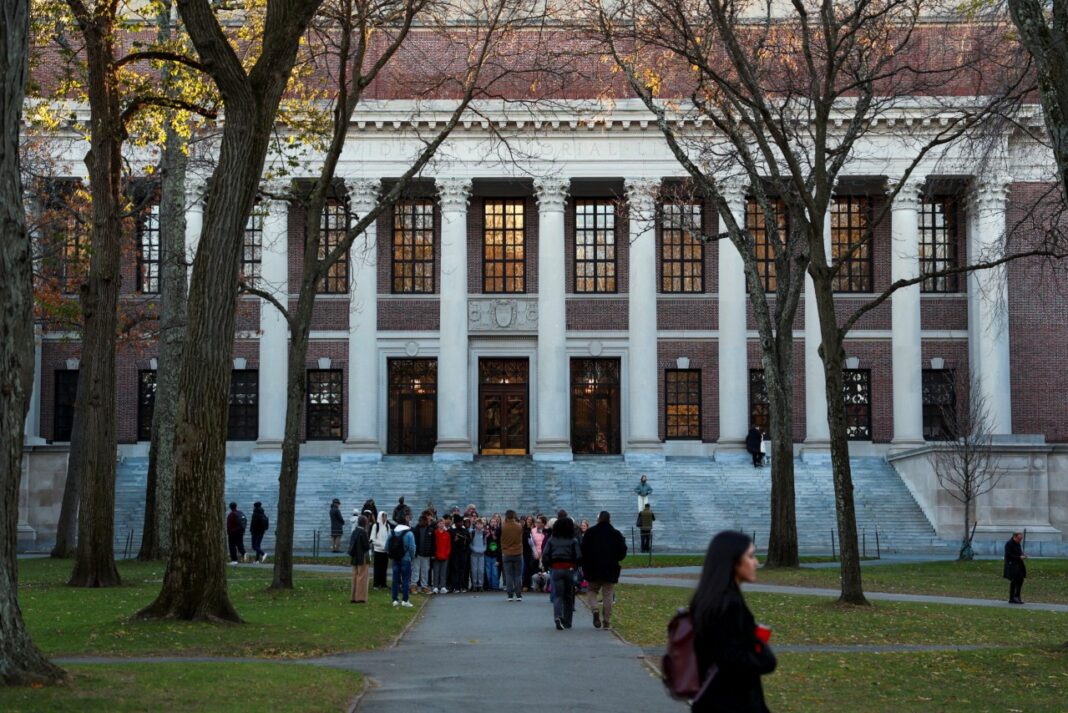
Elite universities offer a useful case study in long-term investing. Their endowments hold assets for decades and weather market swings without panic selling. That patience often produces stronger returns than active trading.
Large endowments diversify across public equities, private equity, real estate, and hedge funds. This mix reduces reliance on any single market. It also smooths performance during downturns.
The Yale and Harvard models popularized this approach. Both schools shifted heavily toward alternative assets years ago. Other institutions soon followed their lead.
Alternatives carry trade-offs. They lock up capital for years and demand careful manager selection. Smaller investors may find these strategies hard to access or costly to replicate.
Still, the core lesson applies broadly. Spreading risk and thinking in decades, not quarters, remains sound advice. Endowments treat volatility as normal, not as a reason to flee.
Bonds have also regained appeal after a difficult stretch. Higher yields now offer real income for the first time in years. Investors are revisiting fixed income as a stabilizer.
The takeaway is simple. Long horizons, broad diversification, and steady nerves matter more than chasing hot trends. Colleges have practiced this for generations.