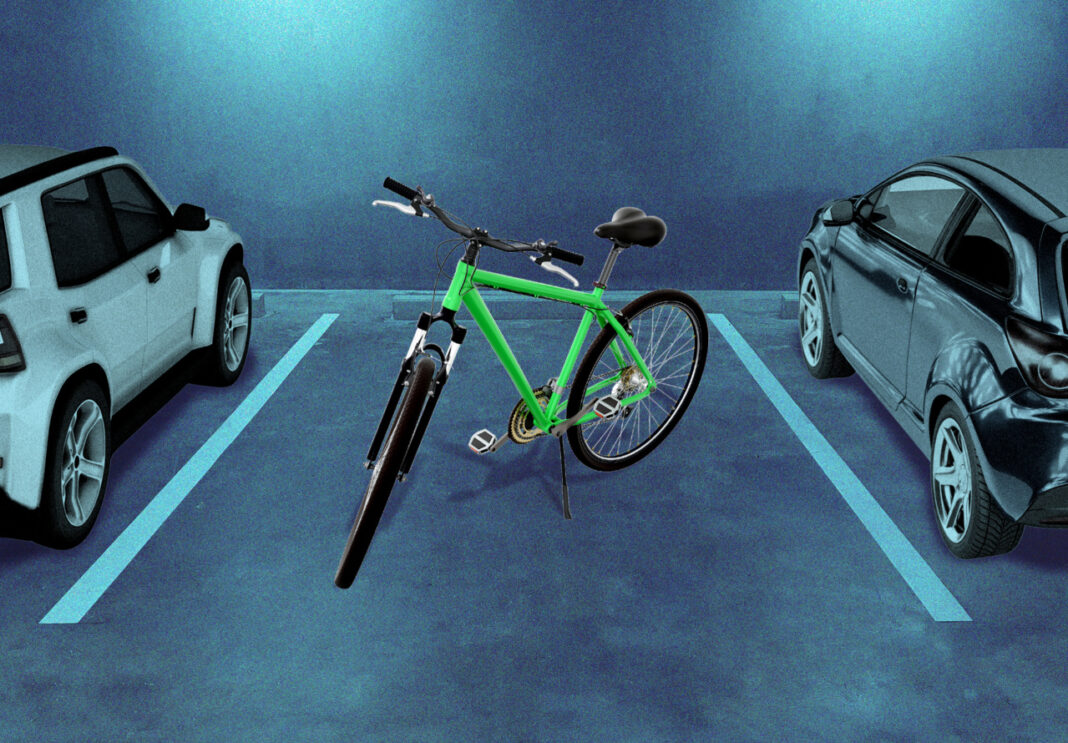
A growing number of young Americans are choosing to live without a car. Soaring vehicle prices have pushed ownership out of reach for many of them. Some are finding that going car-free frees up money for other priorities.
New and used car prices have climbed sharply in recent years. Insurance, fuel, parking, and maintenance add thousands in yearly costs. For many young adults, those expenses now exceed what their budgets can support.
Giving up a car can open up breathing room in a tight budget. Former owners report lower monthly costs and less financial stress. The savings often go toward rent, debt, or emergency funds.
The shift reflects broader changes in how younger people view ownership. Some see a vehicle as a burden rather than a necessity. Cities with transit, biking, and ride-hailing options make car-free life easier to manage.
The decision is not without trade-offs. Commutes can lengthen and errands can become harder to plan. Yet many young adults say the financial gains outweigh the inconvenience.
Car-free living also reduces exposure to maintenance costs and repairs. Without a vehicle, owners avoid depreciation and surprise bills. That predictability appeals to people on fixed or modest incomes.
For some, the change is temporary until prices ease. For others, it marks a lasting shift in priorities. Either way, the trend is reshaping how a generation thinks about mobility and money.