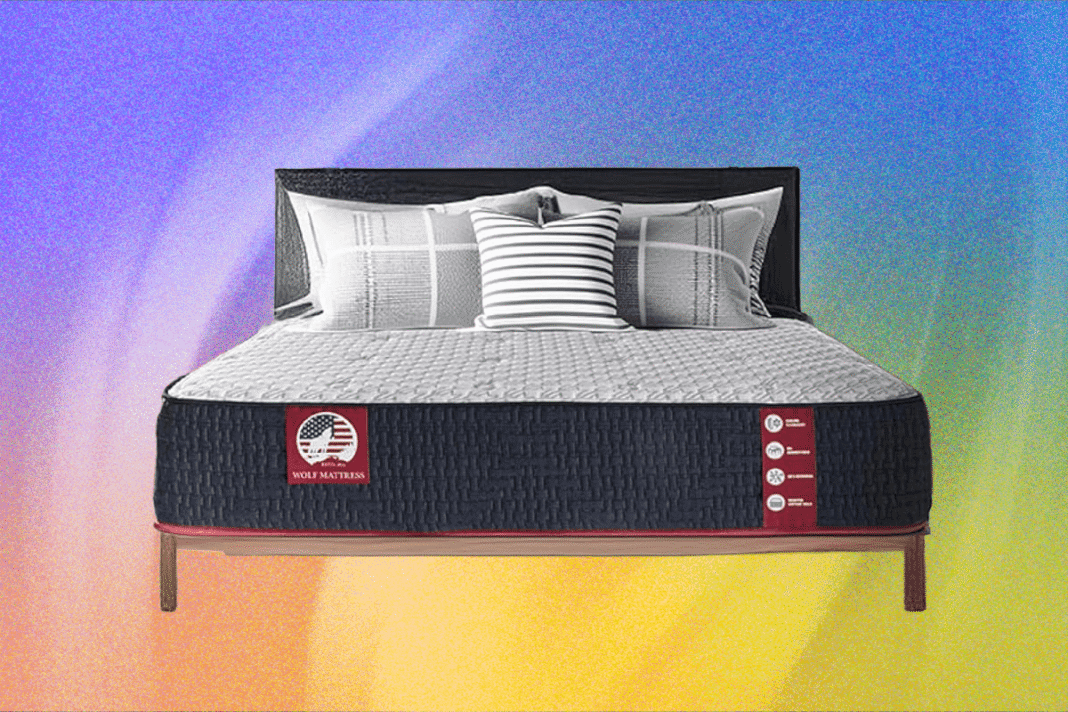
Stomach sleepers require specific mattress support to maintain proper spinal alignment. A mattress that is too soft can cause the hips to sink, creating an unhealthy curve in the lower back. Conversely, an overly firm surface may place undue pressure on the shoulders and neck.
The ideal choice typically balances medium-firm support with enough cushioning for comfort. This combination helps keep the spine in a neutral position throughout the night. It prevents the lower back from arching excessively, which is a common issue for this sleeping position.
Hybrid mattresses often perform well for stomach sleepers. They pair supportive coil systems with contouring foam or latex comfort layers. This structure provides the necessary push-back to support the midsection while offering pressure relief.
Materials like responsive latex or adaptive memory foam are frequently recommended. These materials cradle the body without allowing it to sink too deeply. They help distribute weight evenly to minimize pressure points.
Proper alignment extends beyond the mattress to include pillow choice. A very thin or flat pillow is usually best to keep the neck in line with the spine. Using a pillow that is too high can tilt the head upward and strain the cervical spine.
Durability is another critical factor, as support should remain consistent over years of use. High-quality materials and robust edge support contribute to a mattress’s longevity. This ensures the sleeping surface does not prematurely sag in the center.
Selecting the right mattress is a significant step toward improving sleep quality and reducing morning aches. Testing a mattress through a sleep trial can be invaluable. It allows the sleeper to assess comfort and support in their own home before making a final commitment.