Latino voters have become a decisive force in American elections. Both parties now compete intensely for their support. This marks a major shift in the national political landscape.
Hispanic voters helped fuel President Trump’s return to the White House. Yet Democrats have won back the trust of many Latino voters over the past two years. The reversal shows how quickly allegiances can shift.
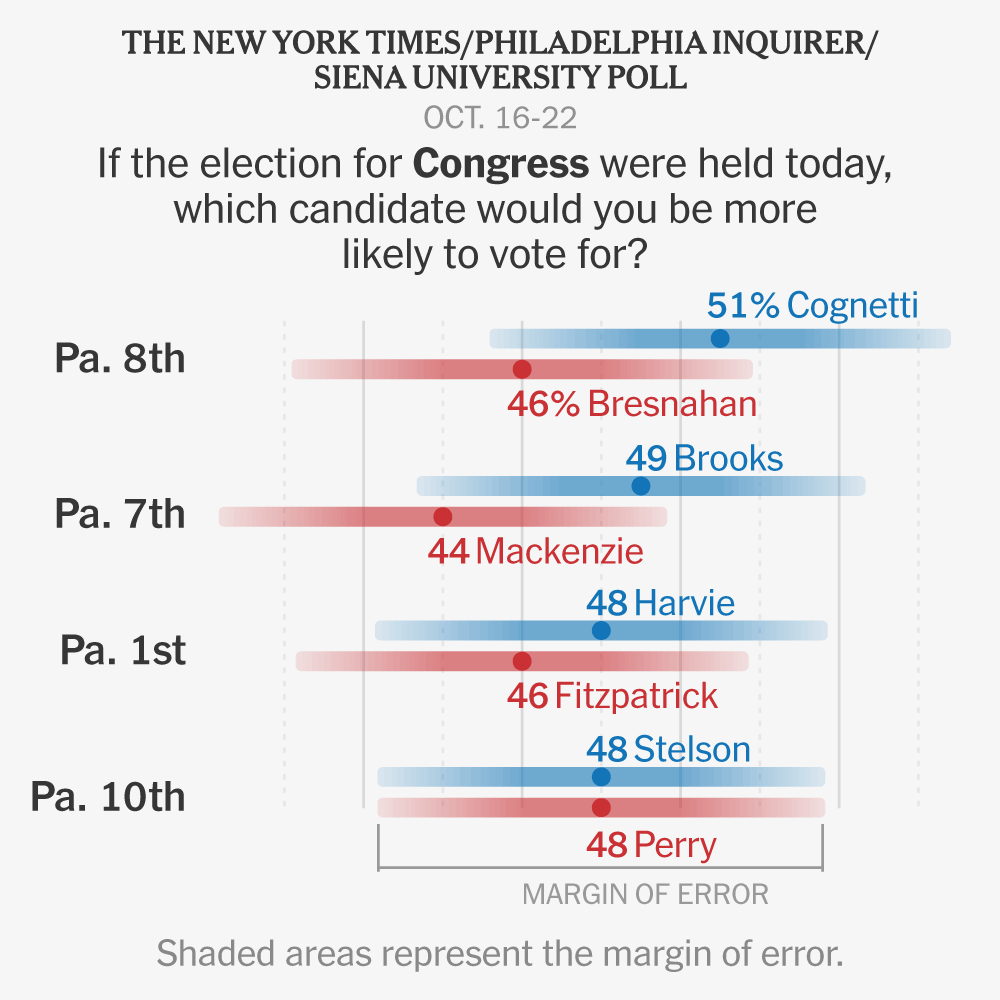
Recent polling points to growing Democratic gains among Hispanic voters. Economic concerns and frustration with Republican rhetoric appear to drive the change. Many Latino communities report feeling targeted by recent policy proposals.
The Latino electorate is far from uniform. Mexican, Puerto Rican, Cuban, and Venezuelan communities often hold different political priorities. Candidates who treat Hispanic voters as a single bloc risk losing key constituencies.
Democrats have invested heavily in outreach since the last election. Local organizing, Spanish-language advertising, and targeted town halls form the core of that effort. Party leaders say the work is beginning to pay off.
Republicans still hold sway with parts of the Latino community. Small business owners and faith-based groups continue to lean right on economic and social issues. Those gains remain fragile, however.
With midterm elections approaching, Latino turnout could decide close races in several states. Analysts warn that polling alone cannot predict how communities will actually vote. Ground-level engagement will likely matter most.
Both parties now face a clear test. Winning Latino support requires sustained attention rather than last-minute appeals. The outcome will shape national politics for years to come.