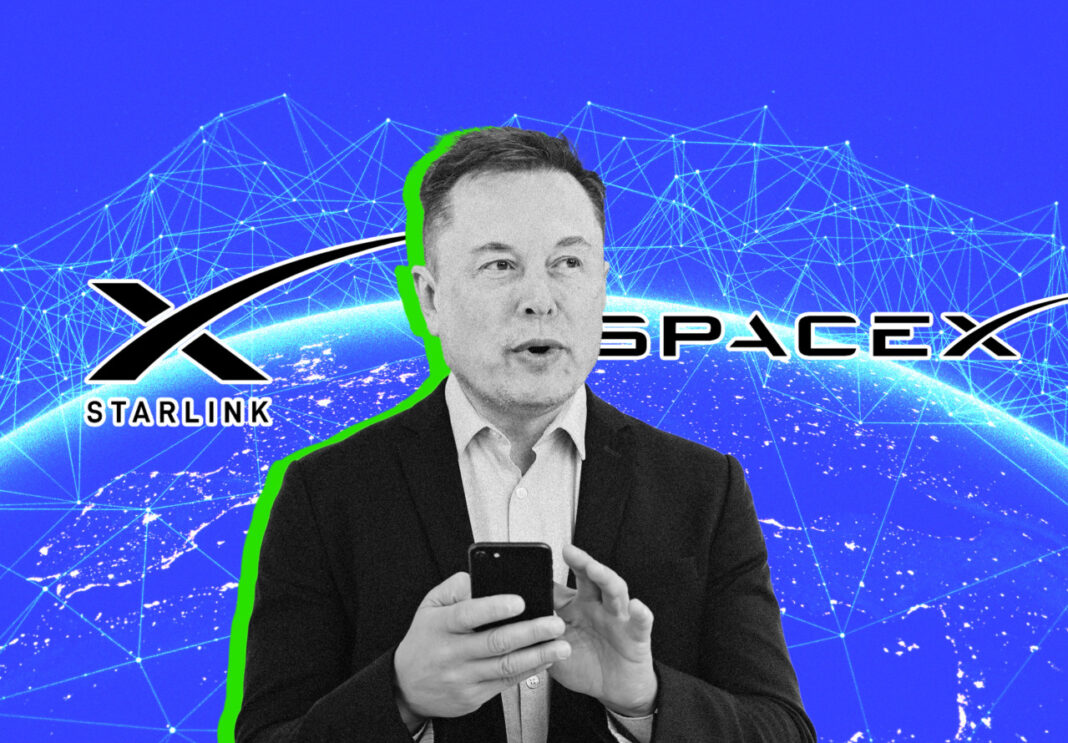
Elon Musk claims SpaceX could launch a wireless carrier within two to three years. The assertion has drawn skepticism from established telecom players. Verizon’s response was blunt: there is “no magic wand” for building a network.
Industry analysts see some possible shortcuts. SpaceX already operates Starlink, a satellite internet service with thousands of orbiting units. That infrastructure could support a direct-to-cell model rather than a traditional ground-based network.
Building a carrier from scratch typically takes far longer. Cell towers, spectrum licenses, and regulatory approvals create years of groundwork. Verizon and AT&T spent decades assembling their coverage.
SpaceX’s advantage lies in its satellite constellation. Starlink can reach rural areas where fiber and towers are costly to deploy. Direct-to-cell service could fill gaps rather than compete head-on with major carriers.
Spectrum rights remain a key hurdle. A carrier needs licensed airwaves to transmit signals reliably. SpaceX has partnered with T-Mobile on satellite-to-phone service, suggesting collaboration over solo expansion.
Regulatory approval adds another layer. The Federal Communications Commission must certify any new carrier and its use of spectrum. Timelines for such reviews are rarely fast.
Musk’s two-to-three-year estimate may reflect an ambitious best case. Analysts suggest a limited service launch is plausible, but full carrier status would take longer. The real test will be whether SpaceX can deliver coverage at scale.