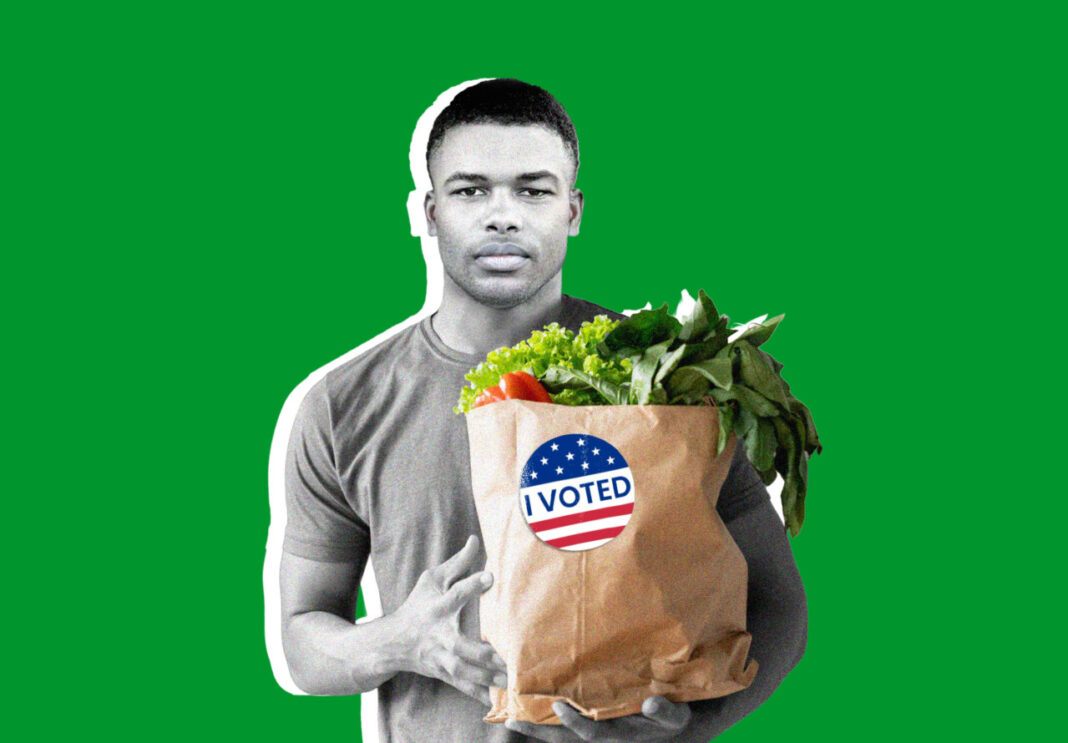
A new report finds that Generation Z voters are focused on economic survival ahead of the midterm elections. Conversations with young voters reveal that affordability, not social issues, is their top concern. Many say basic life goals now feel out of reach for their generation.
The rising cost of housing, food, and education dominates their political thinking. Young voters describe a sense of stalled progress toward milestones like homeownership and financial independence. These concerns are shaping how they evaluate candidates and policies.
Economic anxiety cuts across party lines among younger voters. The report suggests that messages centered on social issues may fail to resonate with this group. Instead, candidates who address pocketbook pressures are more likely to connect.
For many in Generation Z, the gap between expectations and reality has widened. Wages have not kept pace with the cost of living in many regions. This squeeze is pushing economic concerns to the forefront of their voting decisions.
The findings signal a shift in political priorities for a generation often associated with social activism. While social issues still matter to young voters, they are not the deciding factor at the ballot box. Affording a stable life has become the central political question.
Candidates across the spectrum are adjusting their pitches to address these concerns. Promises of lower costs and better job prospects are replacing culture-war messaging in some races. The report indicates that economic credibility will be key to winning Gen Z support.
The midterm elections will test whether either party can speak directly to this economic frustration. Young voters represent a growing share of the electorate and their turnout could prove decisive. Their message is clear: making life affordable is the priority.