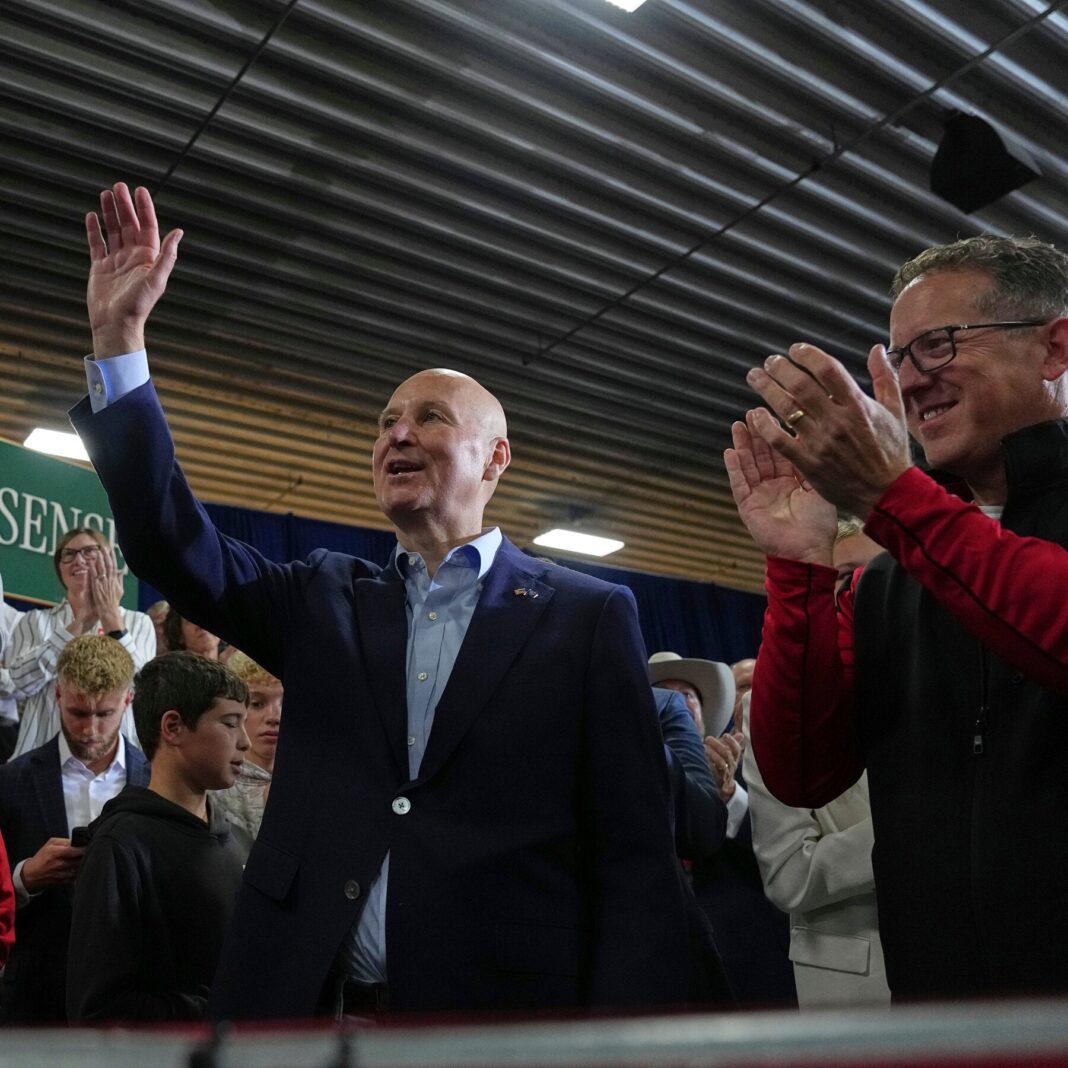
Running for the U.S. Senate has become an expensive pursuit. Most candidates now need substantial personal wealth just to compete. The price of entry keeps climbing every election cycle.
Senate campaigns routinely cost tens of millions of dollars. Candidates often must fund early operations before donors commit. Self-funding has become a common path to viability.
Wealthy candidates can loan their campaigns large sums. That money pays for staff, advertising, and travel before fundraising matures. Less affluent challengers struggle to keep pace.
Donor networks favor candidates with existing financial connections. Wealthy newcomers tap personal circles for quick cash. Working-class candidates must build those networks from scratch.
Recent Senate races show a clear pattern. Millionaires appear on ballots far more often than average voters might expect. The trend spans both major parties.
Personal wealth does not guarantee victory. Several well-funded candidates have lost to better-organized opponents. Money remains a powerful advantage, though.
The result is a Senate that skews wealthy. Fewer candidates from modest backgrounds reach the national stage. Voters rarely see candidates who share their financial reality.