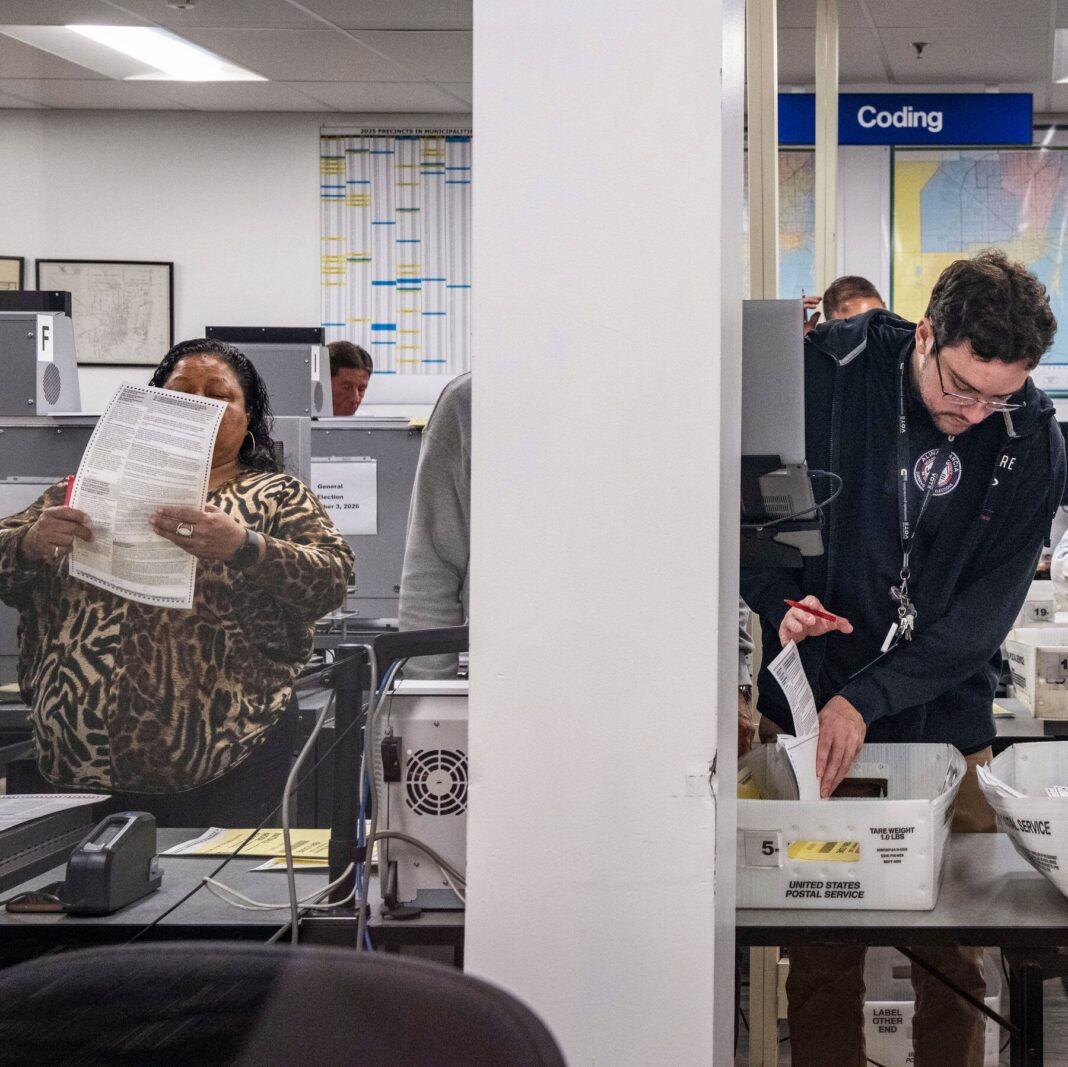
Voters should prepare for delays in learning election results. Key states may take days or even weeks to finish counting ballots. The timeline could shape which party controls Congress.
Maine, Alaska, Arizona, and California are among the states facing extended counts. Each has distinct rules that slow the process. These include mail ballot deadlines and ranked-choice tabulation.
Maine uses ranked-choice voting in some federal races. That method requires multiple rounds of counting. Officials cannot project a winner until every round is complete.
Alaska allows absentee ballots to arrive after Election Day. State law sets a generous receipt window. Counting continues well past the initial vote.
Arizona and California process large volumes of mail ballots. Signature verification and curing add time. Results often shift as later batches are tallied.
Experts say such delays are normal, not signs of failure. Election officials follow legally mandated procedures. Accuracy takes priority over speed.
The timing of final outcomes could determine control of Congress. Close races may hinge on late-counted ballots. The public should expect uncertainty in the days after polls close.