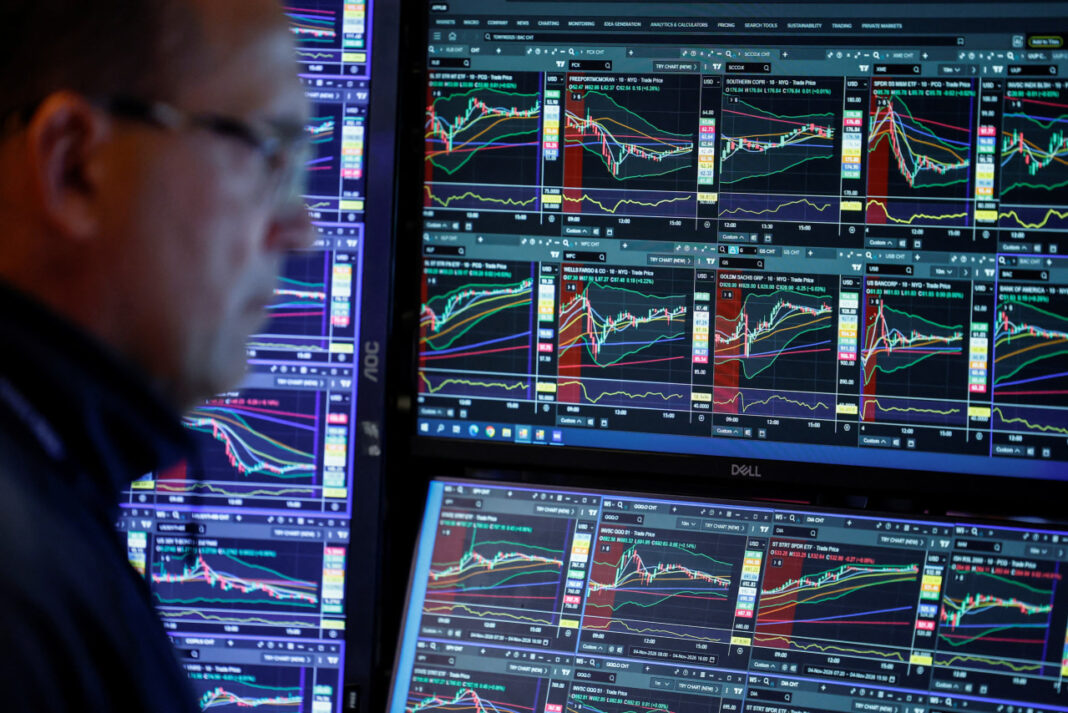
Midterm elections often trigger swift market reactions as investors rush to trade on expected policy shifts. History shows these politically driven trades usually carry logical motivations at the outset. However, they frequently turn disastrous once postelection excitement fades.
Markets tend to price in optimistic scenarios before results are fully clear. Traders anticipate gridlock, spending plans, or regulatory changes that may never materialize. This knee-jerk behavior creates volatility that rarely lasts.
Investors who chase short-term political narratives often overlook underlying economic fundamentals. Postelection hype can distort asset prices and lead to poor entry points. Once the dust settles, reality frequently disappoints.
Data from past midterm cycles reveals a consistent pattern of overreaction. Initial rallies or selloffs often reverse within weeks as policy outcomes become clearer. Patient investors tend to outperform those who react impulsively.
Sector-specific trades based on expected legislative wins carry particular risk. A single party’s agenda rarely translates directly into predictable market moves. Gridlock itself can produce outcomes that defy simple partisan assumptions.
Sound investment strategies rely on diversified portfolios rather than election bets. Long-term performance depends more on earnings and interest rates than political headlines. Reacting to every political signal erodes returns over time.
Markets eventually refocus on economic data and corporate results after elections conclude. The wisest approach involves waiting for clarity instead of acting on early sentiment. Knee-jerk trades tied to midterms seldom reward those who make them.