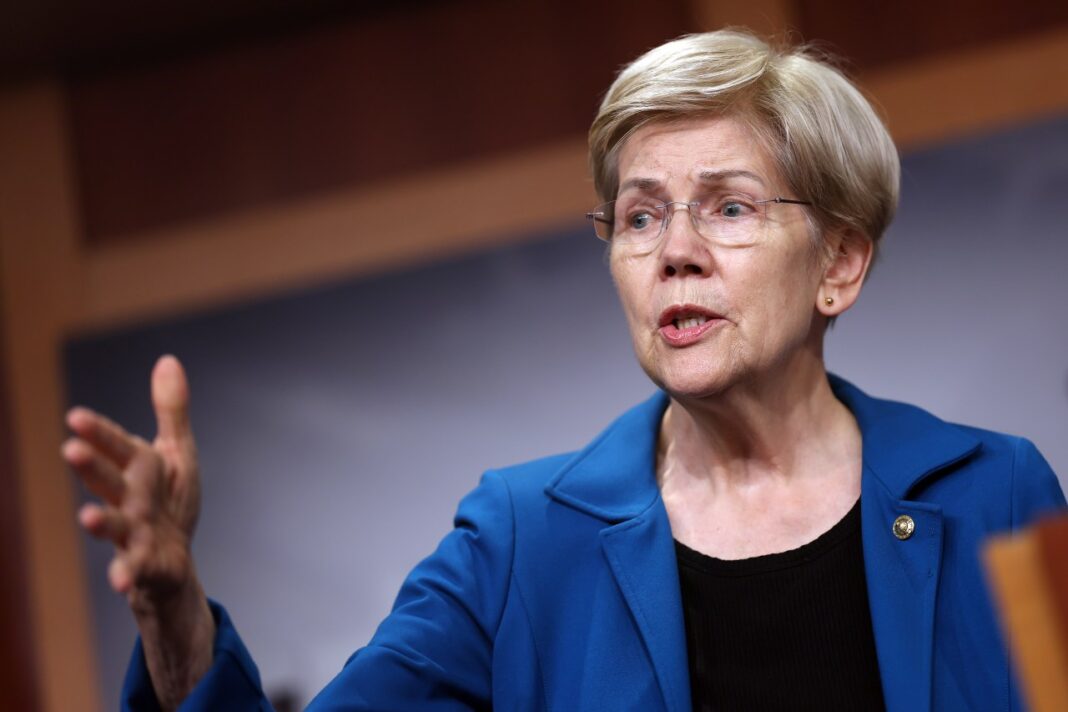
Democrats gained key congressional seats in the election. Many of these lawmakers have criticized Wall Street in the past. Their new positions could put bank executives in the hot seat.
However, Congress does not set the rules that directly govern big banks. The Federal Reserve holds most of the real regulatory power. That limits how much lawmakers can actually change.
Bank stocks have reacted calmly to the election results. Investors seem to recognize that congressional criticism rarely turns into tough new laws. The Fed remains the primary gatekeeper for major bank oversight.
History supports this view. Campaign rhetoric often fades once lawmakers face the reality of divided government. Passing sweeping financial legislation requires broad consensus that seldom exists.
The Fed operates independently of daily political pressures. Its officials set capital requirements, stress tests, and other key rules. Congressional hearings can generate headlines but rarely alter Fed policy.
Bank lobbyists are watching the new committee assignments closely. They expect more public scrutiny but fewer concrete threats. The focus will stay on the Fed’s regulatory agenda.
For now, the bark from Capitol Hill may be loud. The bite, however, remains limited by the structure of financial oversight.