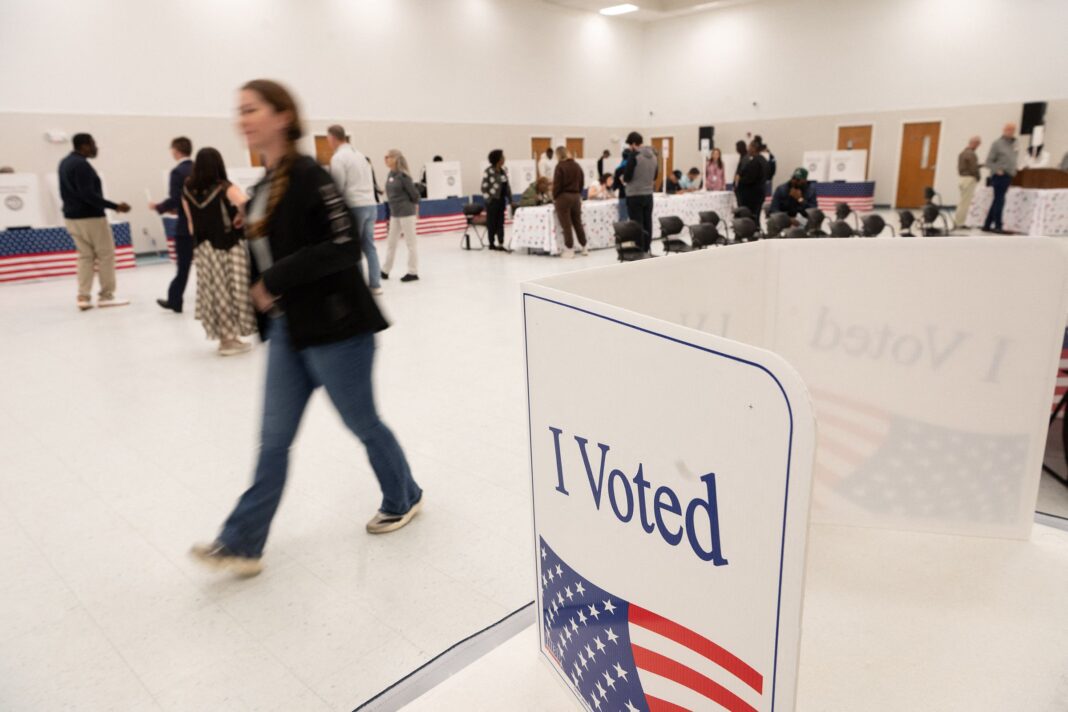
The right-to-repair movement gained ground in the midterm elections. Several repair-friendly candidates won key races across the country. Advocates see the results as their best shot yet at federal reform.
Voters elected officials who support easier access to device parts and manuals. Consumer groups tracked these outcomes closely in the weeks after the vote. The shifting political landscape has opened new doors for reform efforts.
Right-to-repair laws aim to let consumers and independent shops fix electronics. Manufacturers currently control access to parts, tools, and software locks. This limits options for anyone outside the company’s own service network.
Supporters argue that repair restrictions raise costs for consumers. They also point to environmental benefits from keeping devices in use longer. E-waste has become a growing concern for lawmakers on both sides.
The midterm results suggest repair access is no longer a fringe issue. Candidates in several states made it part of their campaigns. Bipartisan interest has grown as repair limits affect more households.
Federal reform remains a long road with industry opposition still strong. Large manufacturers have lobbied against mandated repair access for years. They cite safety and security concerns as reasons for tight control.
State-level wins may build momentum for national action. Advocates plan to push for hearings and new bills in the coming session. The midterms gave the movement its clearest political opening so far.