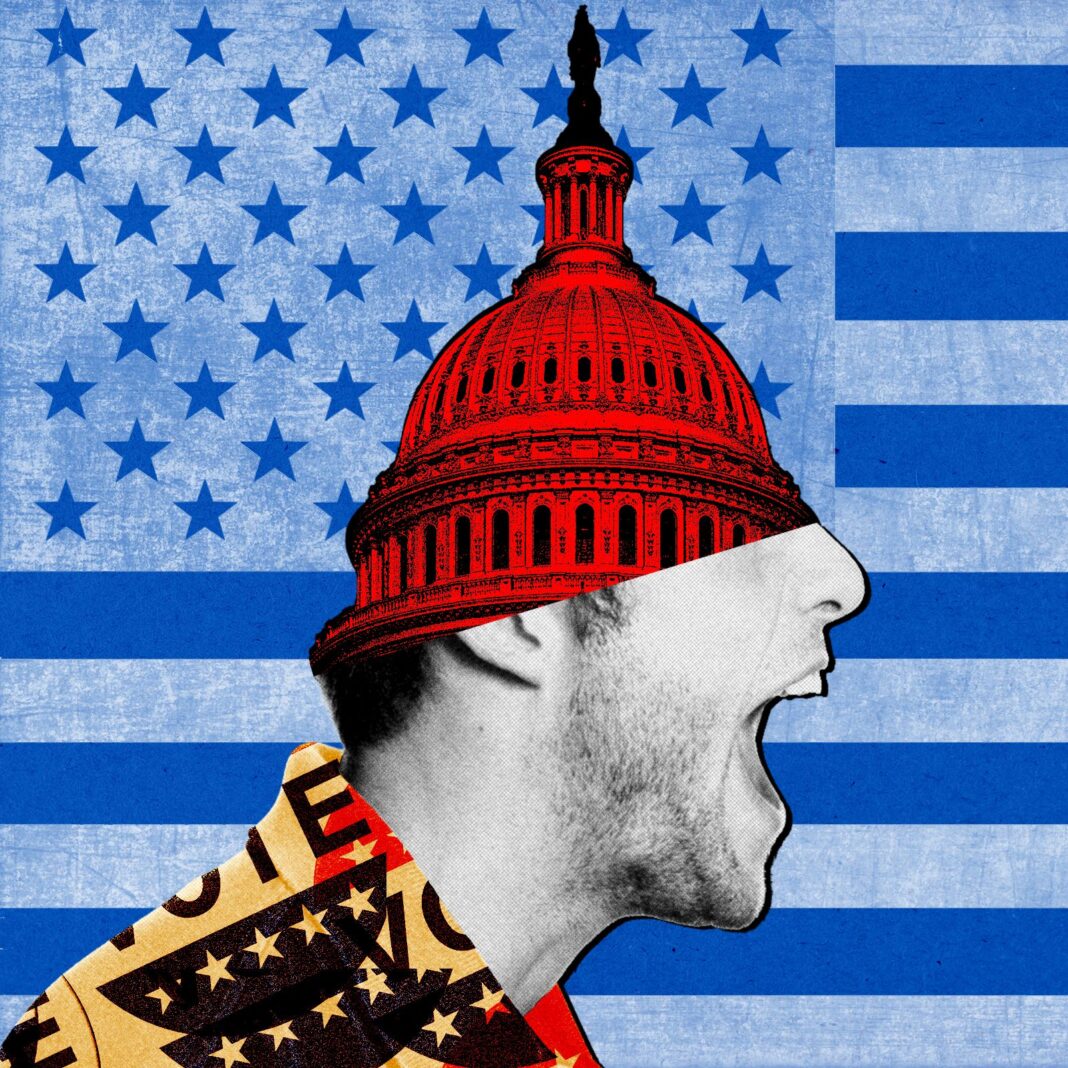
Far-right extremists are pushing to take control of the Republican Party after midterm losses. They argue that MAGA did not go far enough. The setbacks have opened what they see as a path to power.
The effort targets the party’s direction and leadership. Extremist figures want their agenda to become the GOP’s core. They frame the midterms as proof that a harder line is needed.
Mainstream Republicans face mounting pressure from these factions. The losses have weakened party unity and left room for challengers. Internal fights over strategy are likely to grow.
The push reflects a broader split within right-wing politics. Some activists reject compromise and want confrontational tactics. Others warn that a shift could cost the party broader support.
Organizers are using the midterm results to recruit and mobilize. They aim to influence primaries and local party structures. Grassroots networks are central to that strategy.
Party leaders have not settled on a response. Some seek to absorb the energy while limiting its reach. Others worry that internal battles will dominate the next election cycle.
The outcome will shape the GOP’s identity and its appeal to voters. Extremist gains could alienate moderates and swing voters. Party officials are weighing those risks as the fight unfolds.