The path to justice for the 9/11 attacks has been shaped by the legacy of torture. Coerced confessions and a special court system have delayed trials for years.
U.S. government decisions made after the attacks created lasting obstacles. Those choices undermined the prospects for a speedy trial. The consequences continue to define the case today.
Interrogations that used torture produced evidence of questionable reliability. Confessions obtained under coercion raised serious legal problems. Courts have struggled to determine how such evidence can be used.
Officials created a special court system at Guantanamo Bay to handle the cases. The alternative system was meant to address national security concerns. It has instead produced years of procedural delays.
Legal challenges have repeatedly stalled the proceedings. Defense lawyers have contested the conditions of detention. Pre-trial motions have consumed significant time.
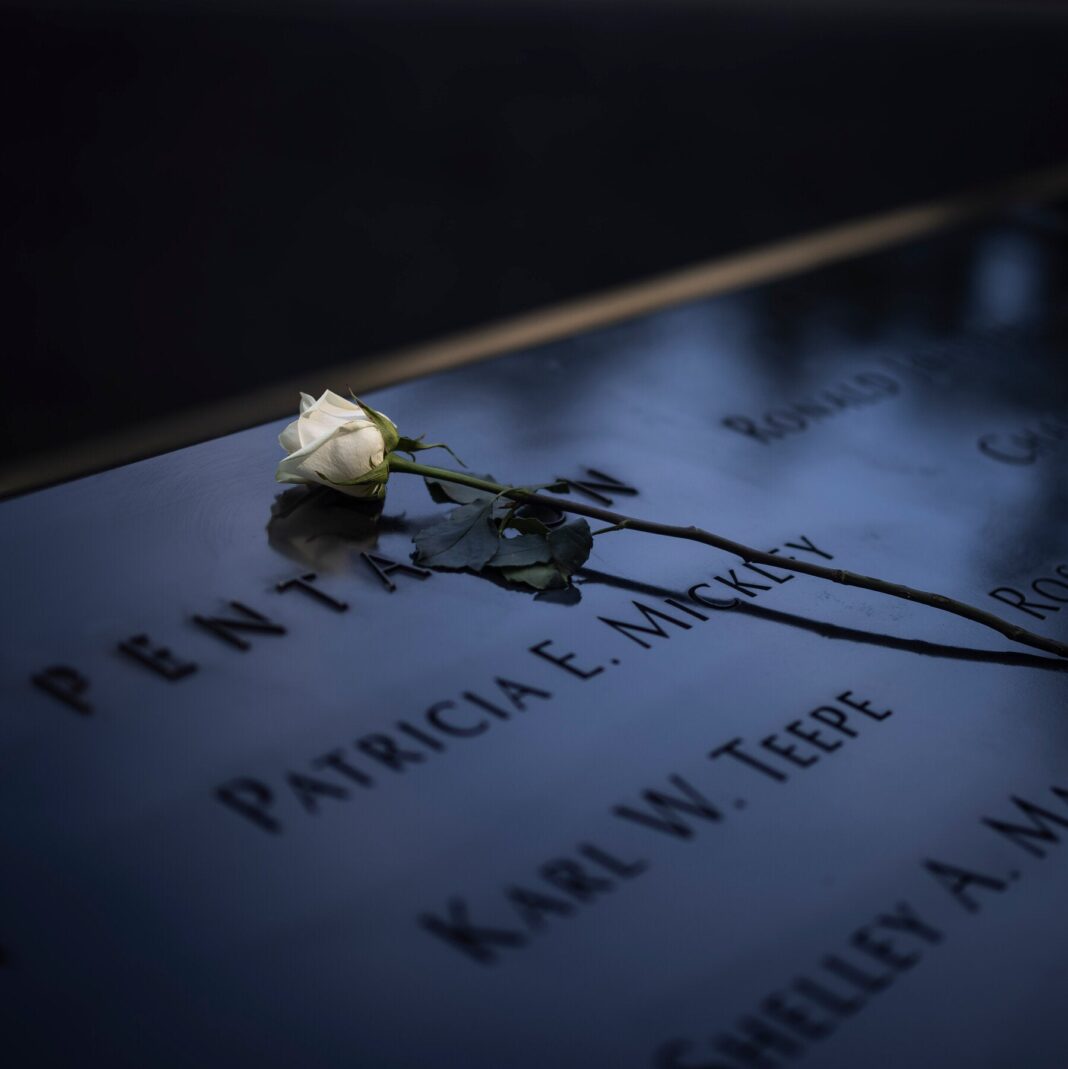
The families of victims have waited decades for resolution. Many had expected swift accountability after the attacks. The delays have left them without closure.
The case illustrates the long-term costs of decisions made in the aftermath of 9/11. Policy choices made quickly have produced enduring consequences. The quest for justice remains unresolved.