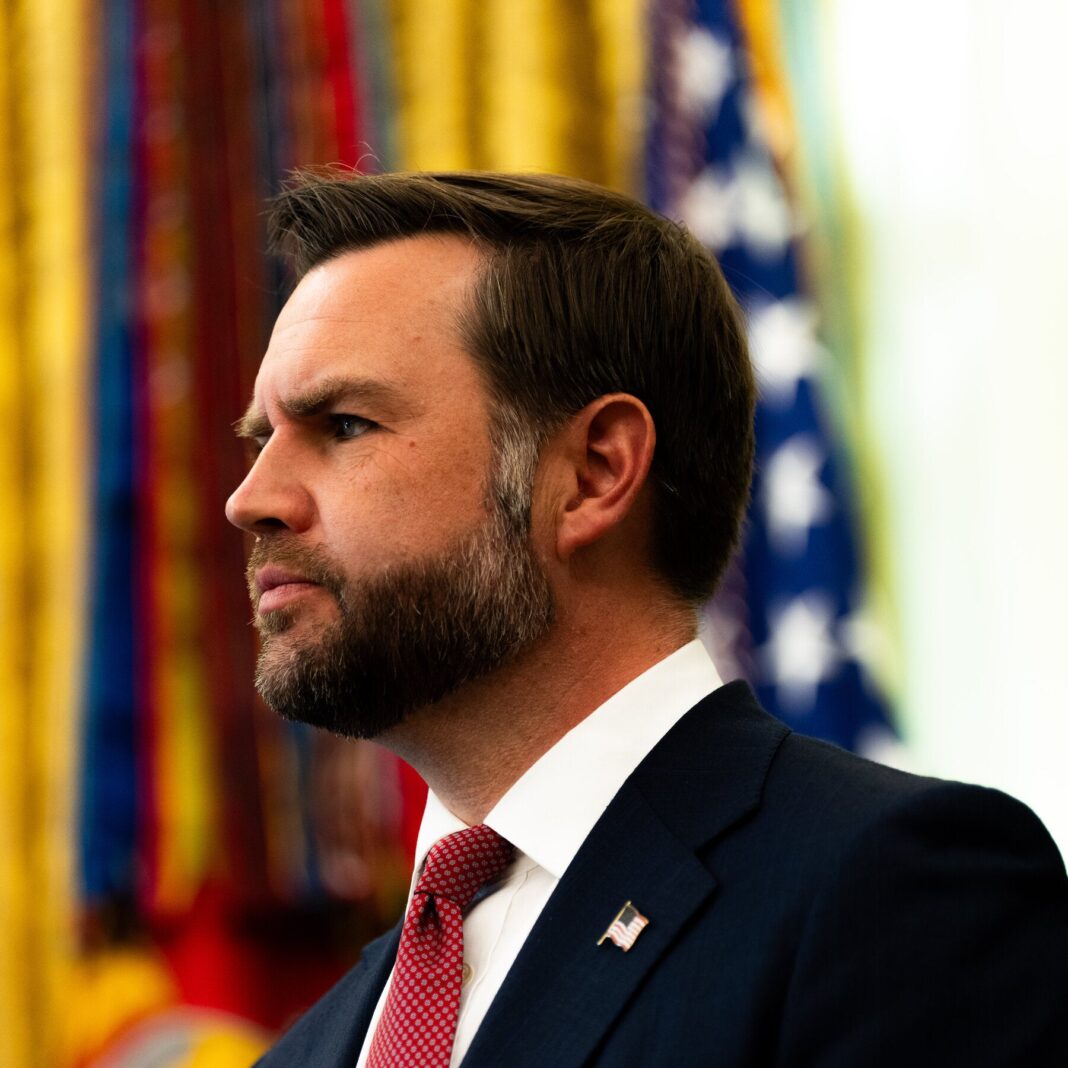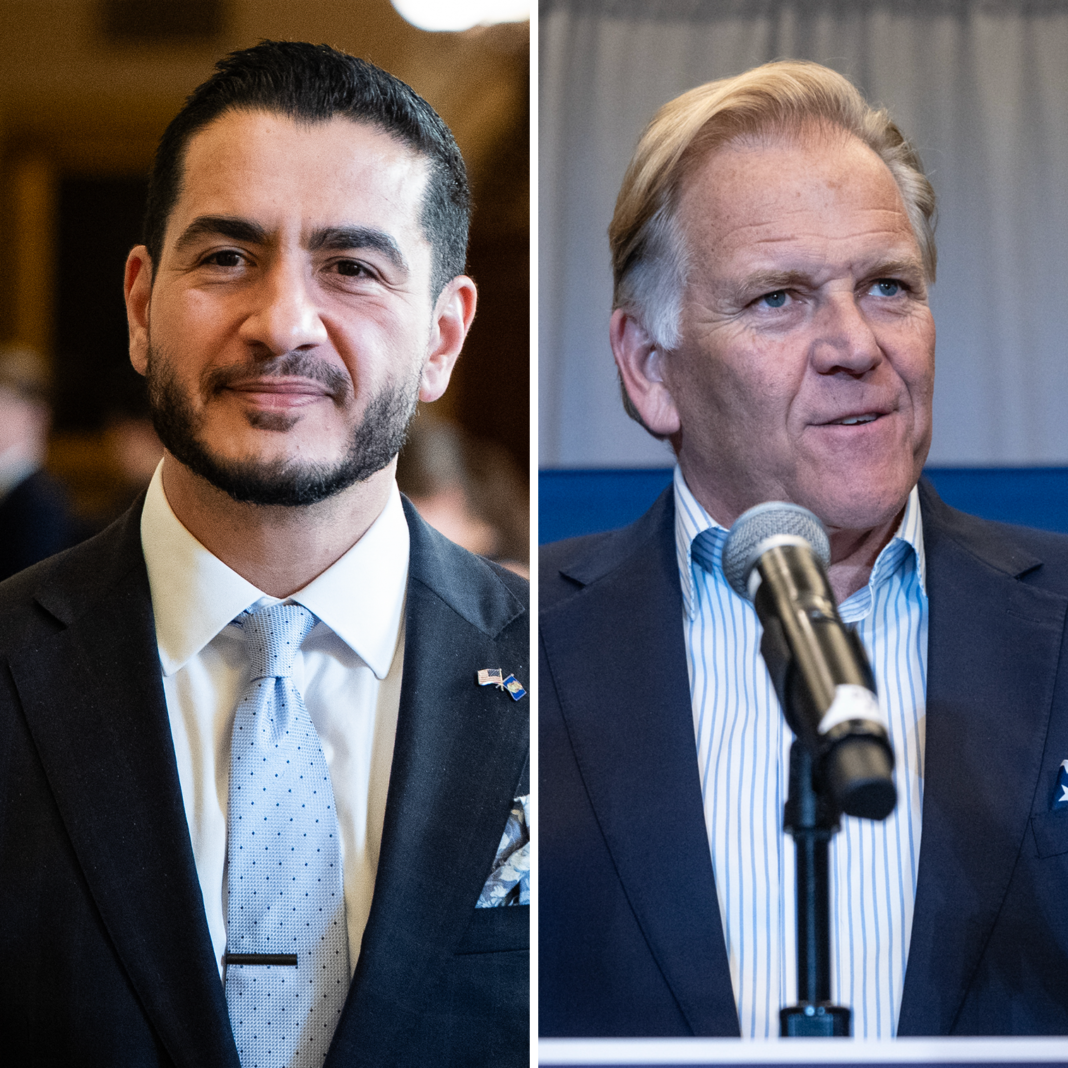
The tradition of a concession call after an election is fading. In today’s hyperpartisan climate, once-reliable norms no longer hold.
Some winning candidates now wait by the phone for a call that never comes. The practice was long seen as a basic courtesy between rivals.
A concession signals respect for the voters and the process. It also marks the peaceful transfer of power, even in defeat.
Refusing to concede keeps supporters engaged and builds fundraising lists. It can also cast doubt on the outcome and erode trust.
Campaigns increasingly weigh political incentives over institutional tradition. A public concession can anger a base that rejects the result.
The shift is most visible in close races where margins are slim. In those contests, a concession can carry real legal and political weight.
The result is a longer, more uncertain post-election period. Voters and officials are left to navigate the gap without a clear ending.