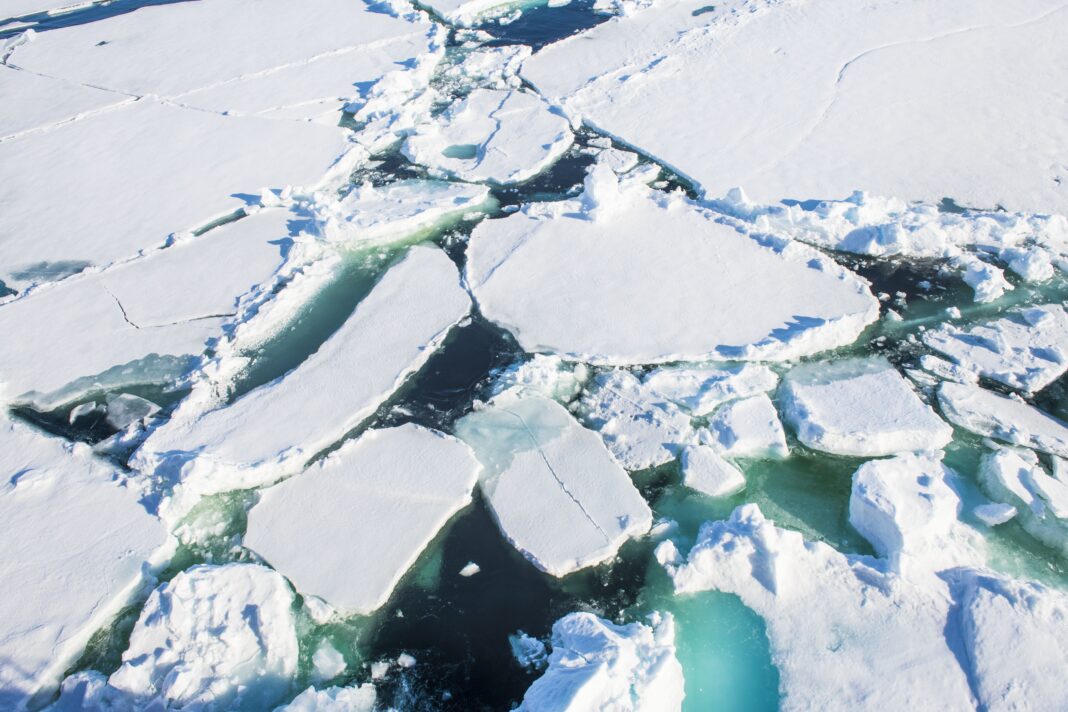
A new analysis finds that human-driven climate change has pushed the world’s ice beyond its safe operating zone. The stable cryosphere that allowed civilization to flourish is now at risk. Fossil fuel emissions are driving the shift.
The cryosphere includes glaciers, ice sheets, sea ice, and permafrost. These frozen systems have remained relatively stable throughout human history. That stability supported agriculture, coastal settlements, and reliable water supplies.
Rising global temperatures are now disrupting that balance. Ice loss is accelerating across polar and mountain regions. The damage is partly irreversible on human timescales.
Scientists warn that continued warming increases the risk of cascading effects. Melting ice raises sea levels and threatens freshwater resources. Thawing permafrost releases stored carbon, which further warms the planet.
The study defines a safe boundary for ice based on temperature thresholds. Current warming has already exceeded that boundary. Without rapid emission cuts, the risks will grow.
Cold regions regulate global climate by reflecting sunlight and storing carbon. Their decline amplifies warming through feedback loops. These loops make future damage harder to reverse.
The findings add urgency to international climate targets. Limiting warming requires steep reductions in fossil fuel use. Protecting the cryosphere is essential for long-term planetary stability.