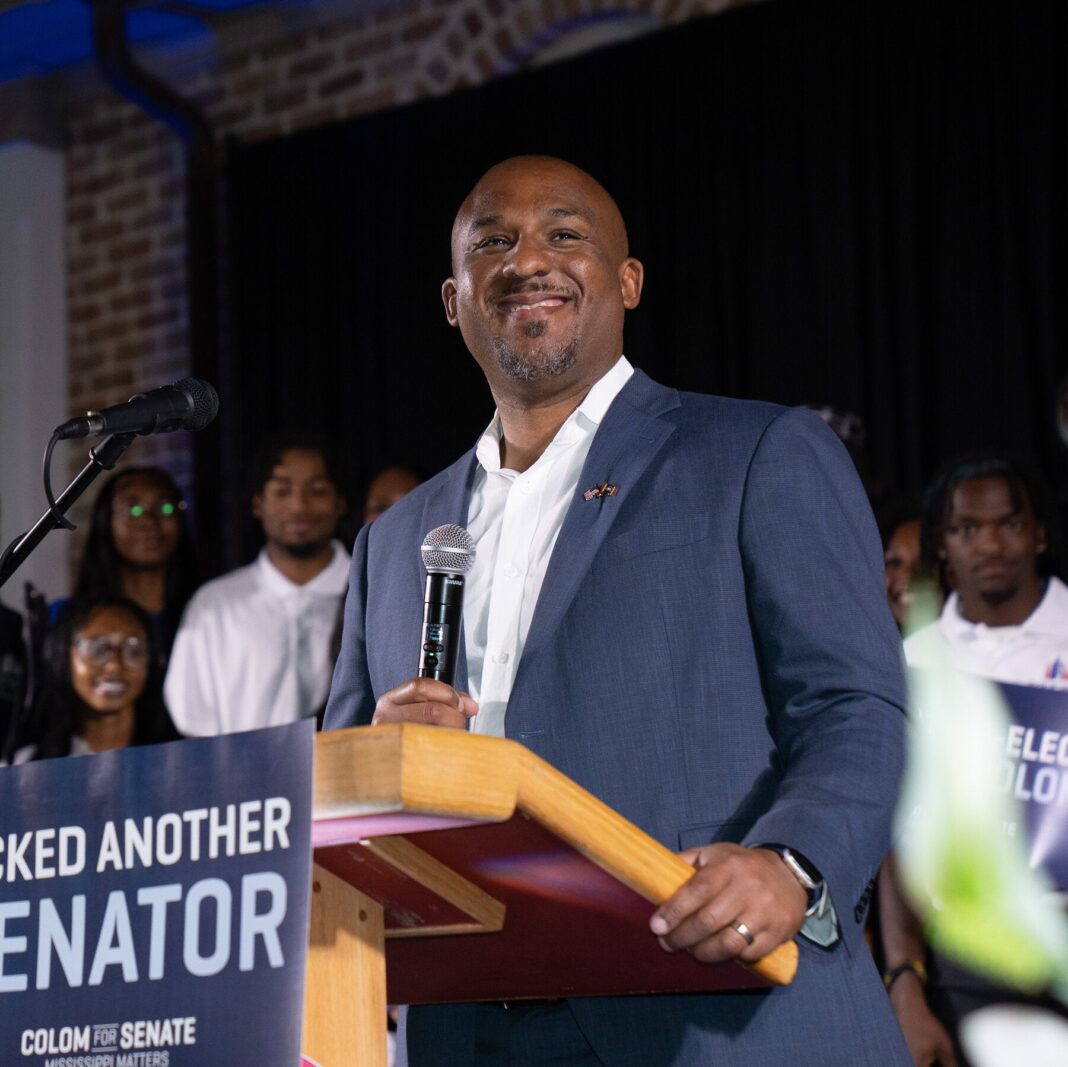
Scott Colom ran a low-profile campaign for most of the race. Few observers gave him much of a chance in deeply Republican Mississippi. Then he defeated the Republican incumbent.
Colom built his bid around local concerns rather than national party messaging. He focused on rural hospitals, jobs, and public schools. That approach resonated with voters in areas Democrats had lost for years.
The incumbent entered the race with a clear fundraising and name-recognition advantage. Outside groups spent heavily to defend the seat. Colom countered with town halls and direct voter contact across small communities.
Turnout in rural counties exceeded expectations. Early returns showed Colom running ahead of past Democratic performances. The margin held as results came in through the night.
Colom described the result as a matter of persistence. He said his campaign trusted voters to respond to practical answers. The win marked a rare Democratic breakthrough in the state.
Analysts pointed to the incumbent’s weak standing among independent voters. Local issues also outweighed national trends in several key counties. The outcome reshaped assumptions about the state’s political map.
Colom now heads to Washington as one of the Senate’s newest members. He has pledged to focus on health care access and economic development. His victory gives Democrats an unexpected seat in a difficult state.