The Food and Drug Administration has rejected a closely watched lung cancer drug developed in China. The treatment, called ivonescimab, had drawn intense attention from researchers and investors. Its rejection marks a notable setback for the drug’s developer.
Ivonescimab had become a symbol of China’s rapid rise in drug development. The therapy was seen as a potential breakthrough for patients with certain lung cancers. Many observers viewed it as a test of whether Chinese-made drugs could win U.S. approval.
The agency’s decision was announced on November 15, 2026. Specific reasons for the rejection were not immediately detailed in the report. The developer has not publicly outlined its next steps.
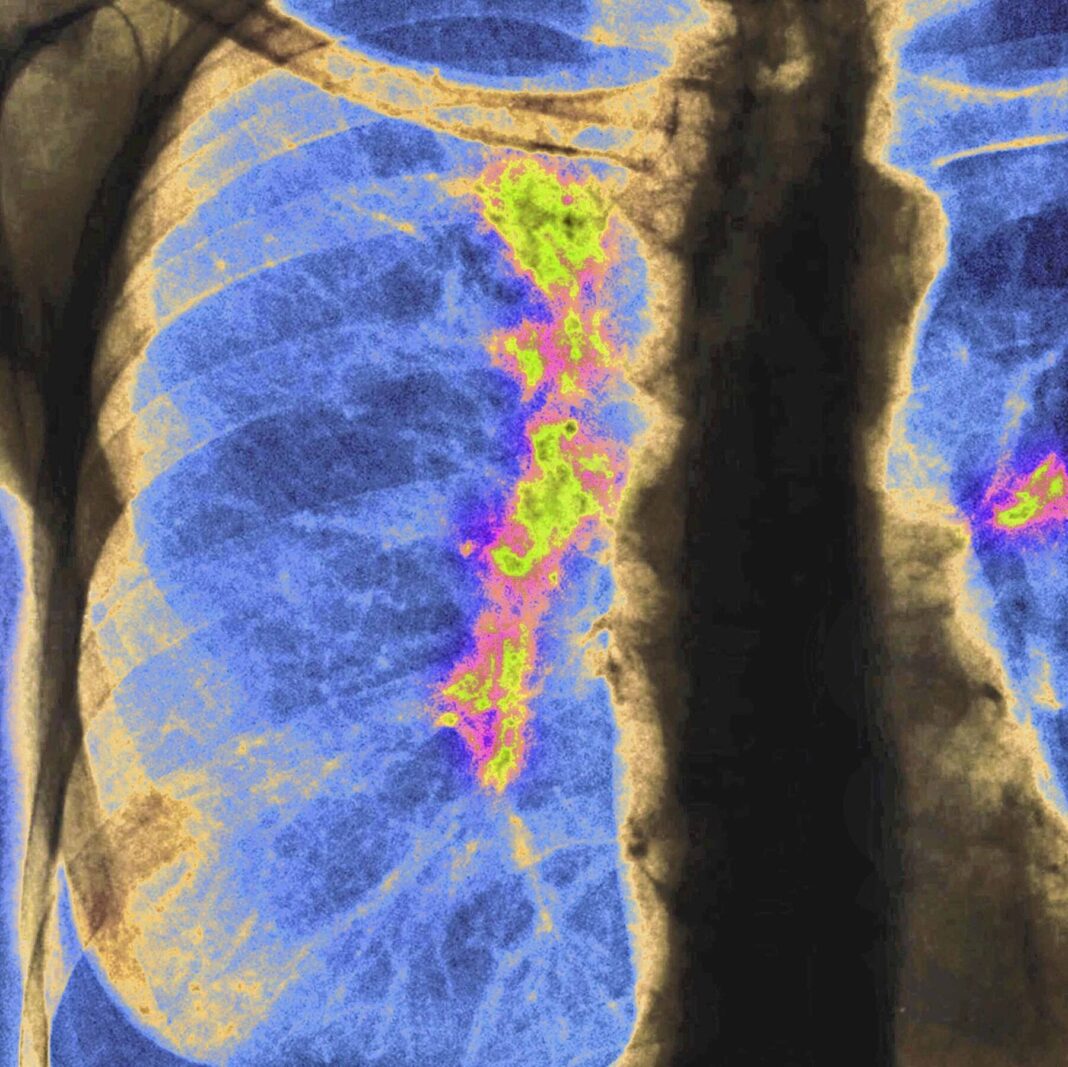
The drug targets lung cancer through a dual-action mechanism. It combines immune checkpoint blockade with an anti-angiogenic approach. This design had shown promising results in earlier clinical trials.
China’s biotech sector has expanded quickly in recent years. Companies there now produce a growing share of innovative cancer therapies. Ivonescimab was among the most prominent candidates to seek U.S. market entry.
The rejection raises questions about the path for Chinese-developed drugs in the United States. Regulatory standards and clinical data requirements remain rigorous. Firms seeking approval must meet the same benchmarks as domestic developers.
Patients and clinicians had monitored the drug’s progress closely. Some had hoped for a new option against hard-to-treat lung cancers. The FDA’s decision delays that possibility for now.
The developer is expected to review the agency’s feedback. Additional trials or data may be required before a resubmission. The timeline for any new filing remains uncertain.