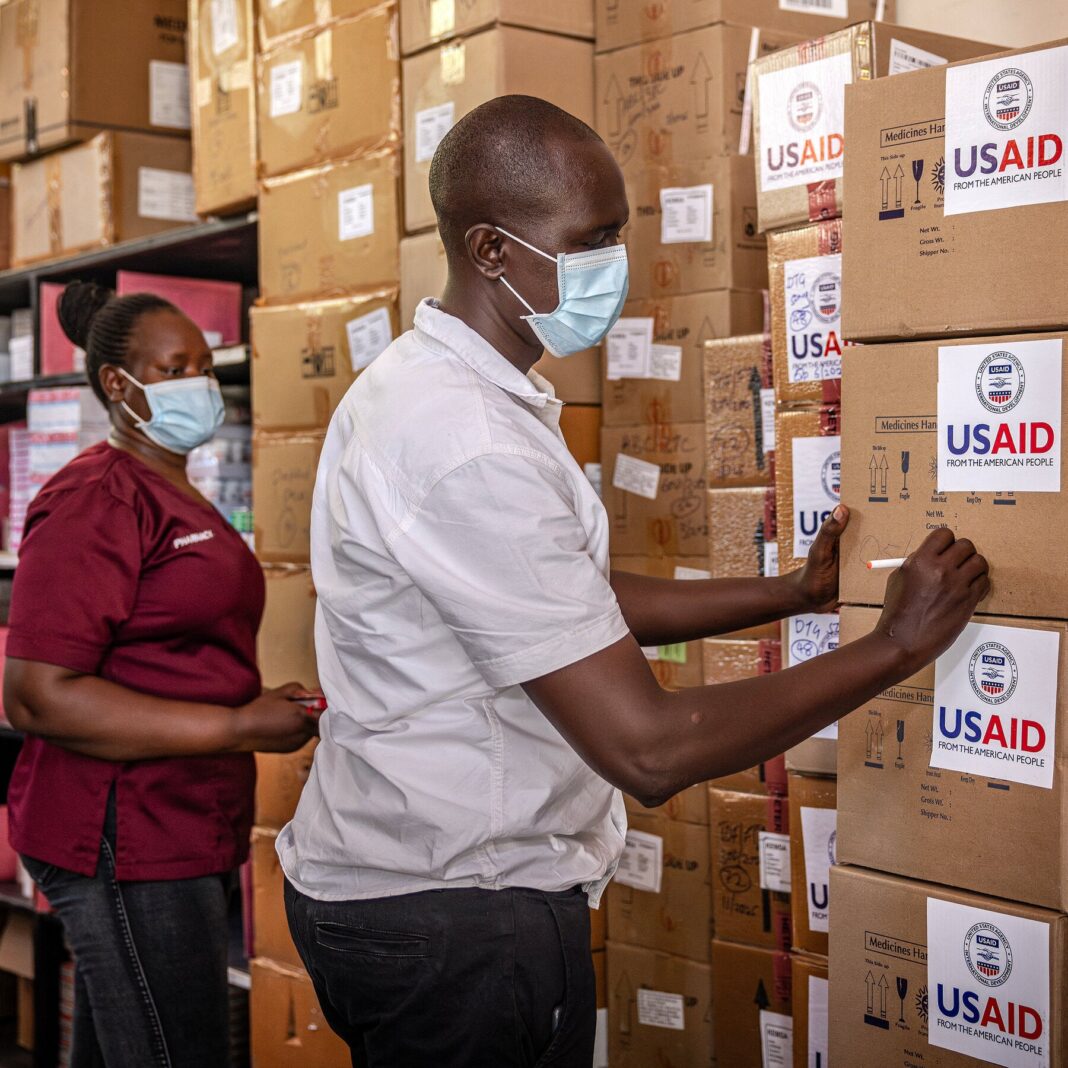
American global health aid is not disappearing. It is being reshaped under a new policy direction. The Trump administration pledged to make aid programs more “America First.”
That shift has prompted pushback from some partner countries. Several governments are questioning the terms attached to U.S. health funding. The debate centers on how aid is delivered and who sets the priorities.
The administration argues that focusing on American interests strengthens accountability. Supporters say the approach ties health spending to measurable outcomes. Critics warn it could disrupt long-standing partnerships.
Health programs in low-income regions rely heavily on U.S. contributions. Changes to funding terms can affect clinics, vaccination drives, and disease monitoring. Partner nations are weighing whether to accept new conditions or seek other sources.
The policy does not signal a withdrawal from global health. It redirects aid toward projects framed as serving U.S. strategic goals. Officials describe the shift as a modernization effort rather than a retreat.
Some countries have begun negotiating revised agreements. Others are reviewing their public health budgets for contingency plans. The outcome will shape how quickly essential services continue.
Observers say the long-term impact remains uncertain. Much depends on how strictly the new rules are enforced. The coming months will reveal whether the changes preserve or weaken global health cooperation.