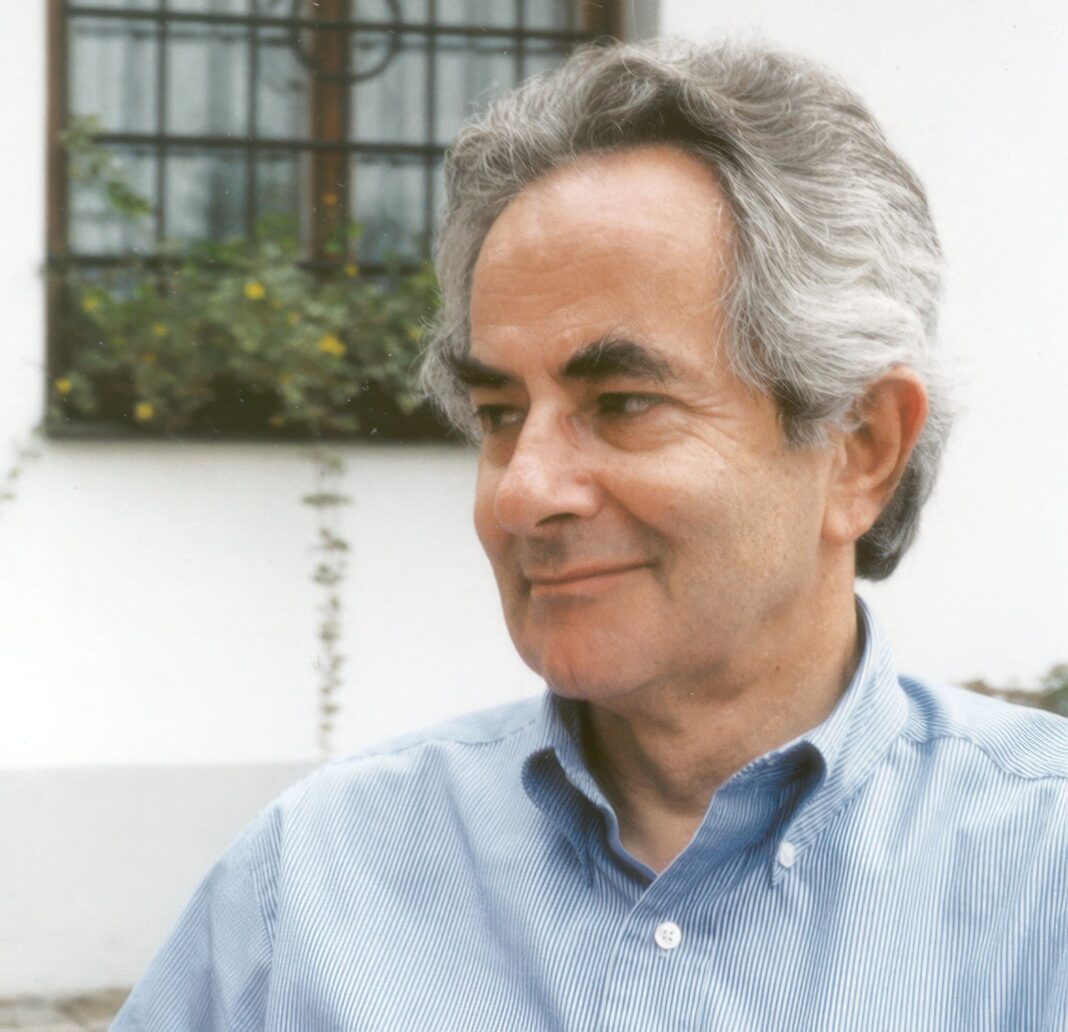
Philosopher Thomas Nagel has spent decades examining consciousness in nonhuman animals. His work challenges assumptions about what it means to be a mind. This week, Nagel received the million-dollar Berggruen Prize for those contributions.
The award recognizes his influence on philosophy of mind and ethics. Nagel’s arguments have shaped debates far beyond academic circles. His selection highlights growing interest in consciousness research.
Nagel has now turned his attention to artificial intelligence. He questions whether machines can truly be conscious. His skepticism draws on the same logic he applied to animal minds.
The philosopher argues that subjective experience cannot be reduced to computation. AI systems process information, but that does not prove inner awareness. Nagel calls some claims about AI consciousness “just ridiculous.”
His position challenges the tech industry’s enthusiasm for conscious machines. Companies increasingly market AI as intelligent and autonomous. Nagel’s critique pushes back against that narrative.
The Berggruen Prize adds weight to Nagel’s arguments. It signals that his rigorous approach still resonates. The award also brings public attention to AI consciousness debates.
Nagel’s work does not dismiss AI research entirely. He asks harder questions about what consciousness requires. Those questions remain central as machines grow more capable.