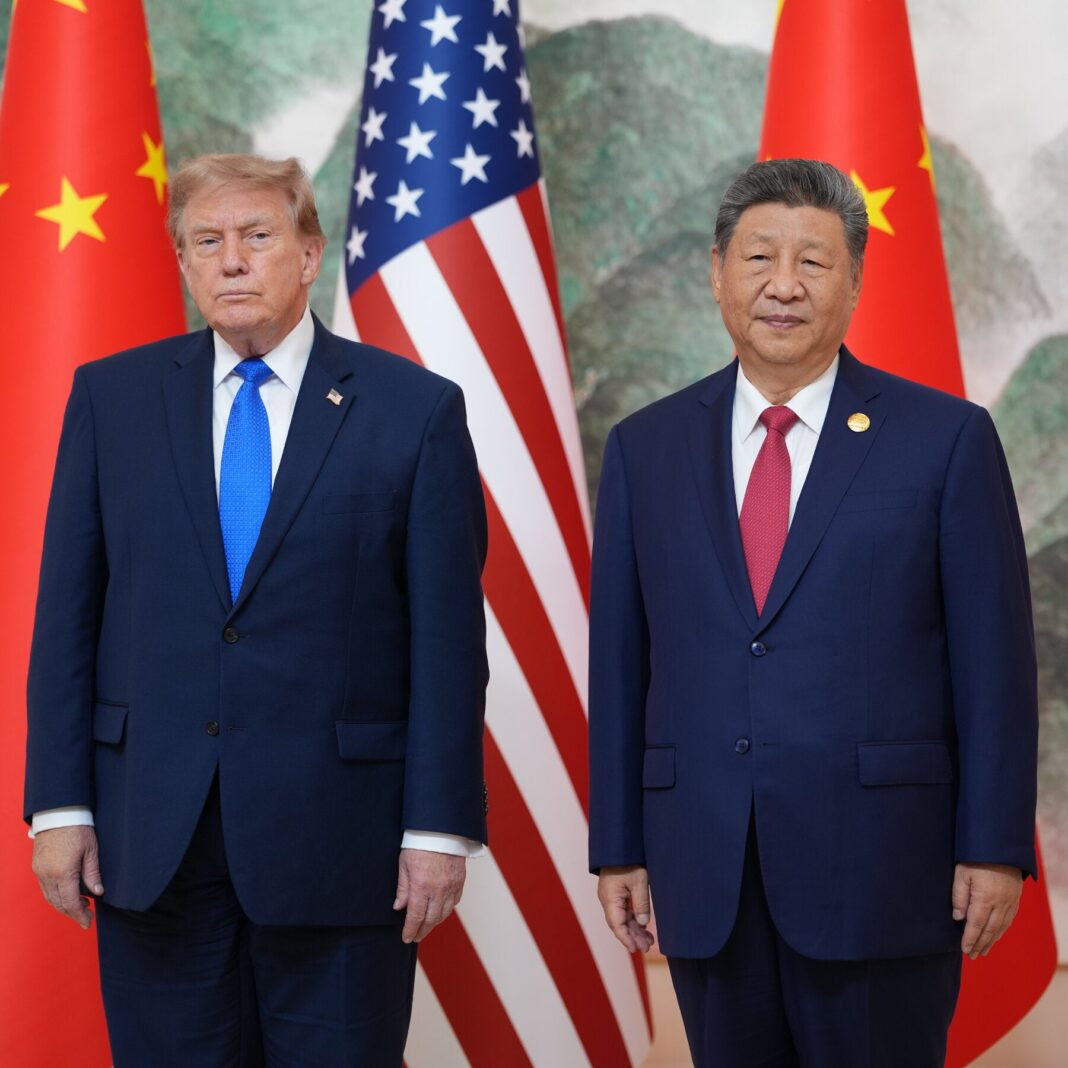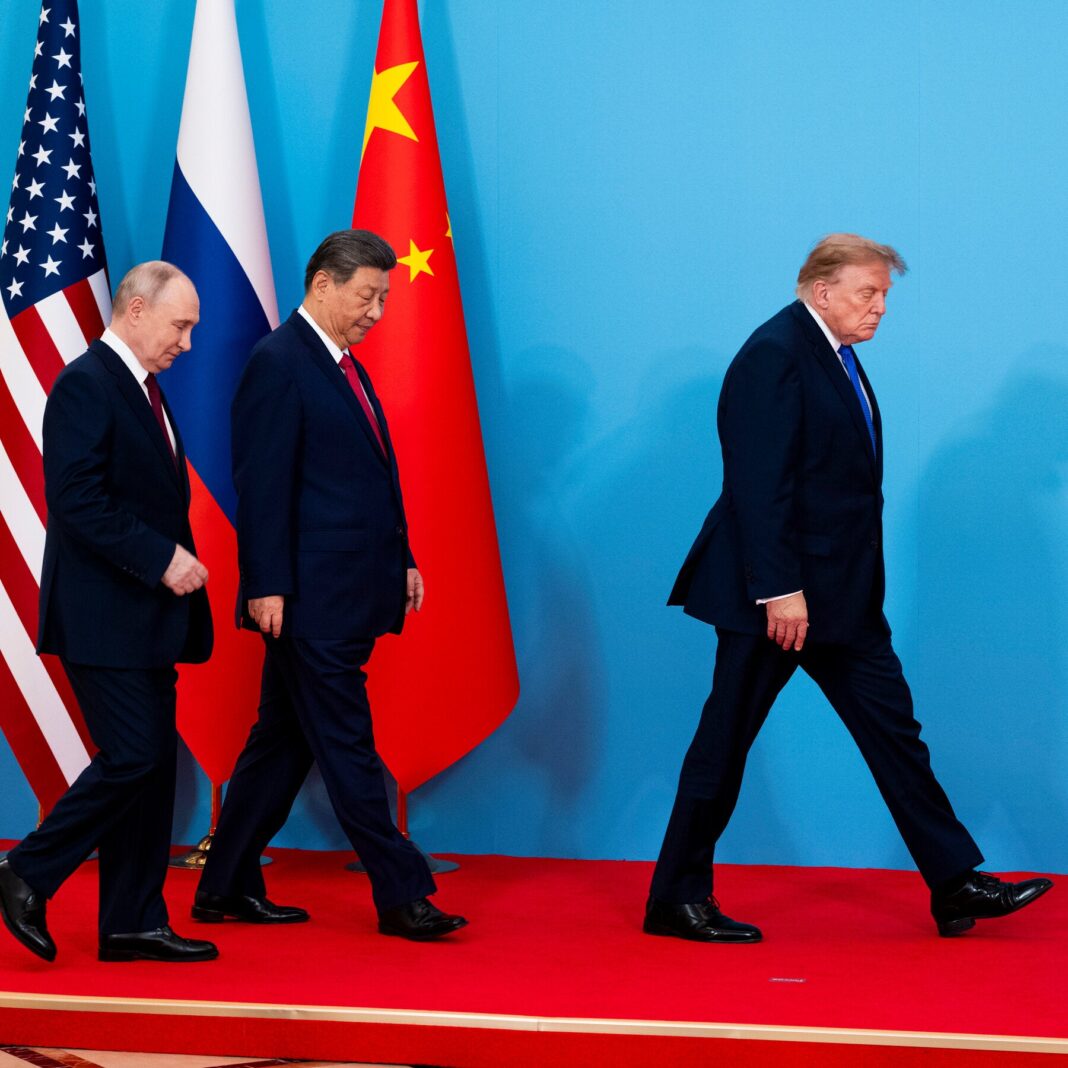
A summit in Shenzhen brought President Trump together with the Chinese and Russian leaders this week. The meeting placed three major powers at one table amid rising global tensions. It also highlighted deeper strategic goals held by Xi Jinping and Vladimir Putin.
Both leaders have worked to counter American influence on the world stage. Their partnership has grown through shared opposition to U.S.-led alliances and institutions. The Shenzhen summit gave that partnership a visible platform.
The venue itself carried symbolic weight. Shenzhen stands as a showcase of China’s economic rise and technological ambition. Hosting the summit there signaled Beijing’s confidence in its global role.
Trade, security, and regional disputes were expected to dominate the agenda. Each leader arrived with distinct priorities and domestic pressures. The talks reflected a shifting balance in international diplomacy.
Trump’s participation drew attention to Washington’s approach toward its rivals. Engagement with both capitals marks a notable turn in U.S. foreign policy. The meeting raised questions about what concessions, if any, were discussed.
Analysts view the trilateral format as unusual given the competing interests involved. China and Russia have deepened military and economic ties in recent years. The United States has traditionally sought to keep those two powers apart.
The outcome of the summit remains unclear, with few details released to the public. Observers will watch for follow-up meetings and policy shifts. The event underscored how quickly the global order is changing.