Anthropic’s valuation has become a topic of debate, with figures ranging from $1.1 trillion to $1.5 trillion. The wide gap stems from the company’s unusual corporate structure. Unlike most startups, Anthropic operates under a complex framework that complicates standard valuation methods.
The company uses a public benefit corporation model alongside a traditional holding entity. This dual structure creates ambiguity about how equity and control are distributed. Investors must untangle these layers to arrive at a meaningful number.
Funding rounds also muddy the picture. Anthropic has raised capital through varied instruments, including convertible notes and structured deals. Each carries different rights and preferences, which affect the effective valuation.
Revenue projections add another variable. Anthropic’s AI products generate income, but growth forecasts vary widely among analysts. Optimistic models support the higher trillion-dollar figures, while conservative estimates pull the number down.
Comparisons to peers like OpenAI further complicate the math. OpenAI’s own valuation has fluctuated, setting an unstable benchmark. Anthropic’s unique business model makes direct comparisons imperfect at best.
Investors should focus on underlying metrics rather than headline numbers. Revenue growth, compute costs, and enterprise adoption rates offer clearer signals. These fundamentals ultimately drive long-term value.
The debate over $1.1 trillion versus $1.5 trillion may miss the point. Valuation is a range, not a fixed price, especially for private AI companies. Understanding the assumptions behind each figure matters more than the final number.
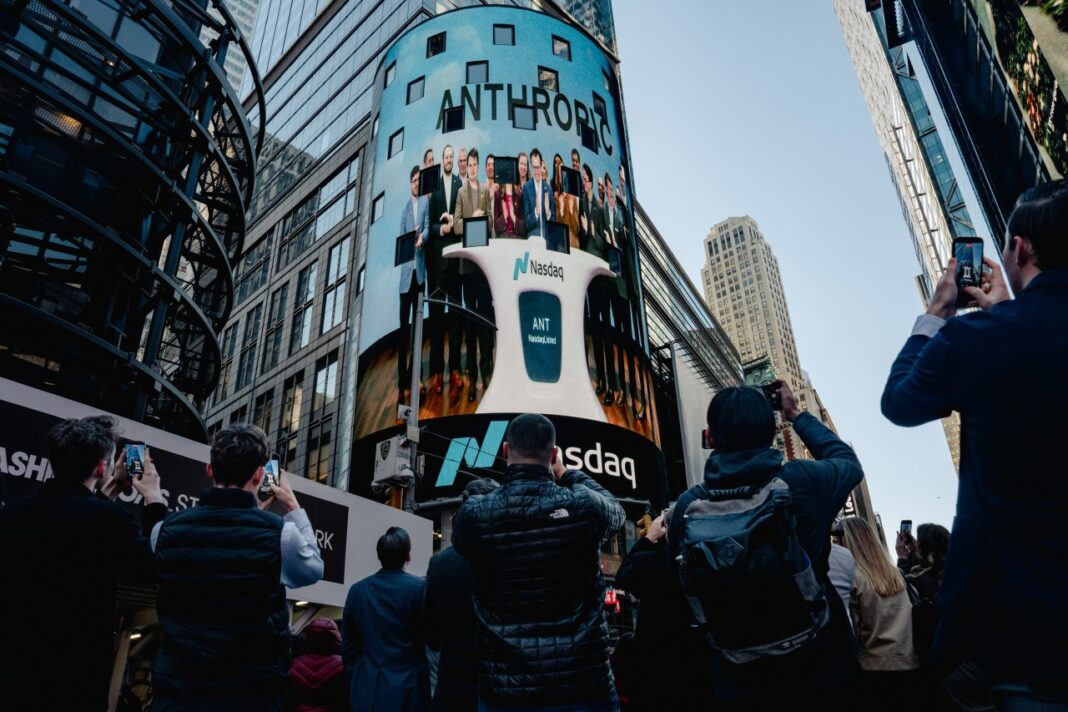
Transparency remains limited for outside observers. Without full financial disclosures, any valuation relies on estimates and projections. That uncertainty is likely to persist until Anthropic matures or goes public.