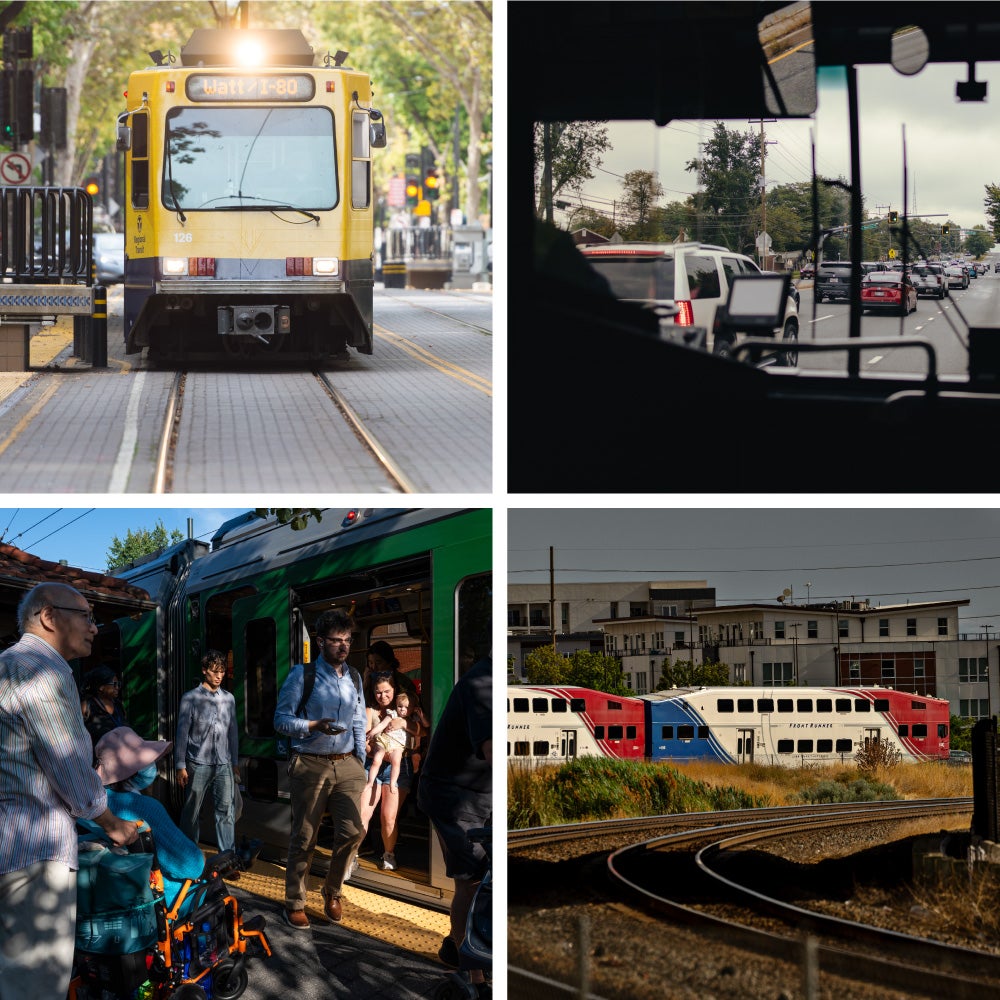
The Trump administration is pursuing a new strategy to limit federal transit funding. It aims to rewrite the rules that govern how grant money is awarded. The changes could affect dozens of projects nationwide.
Many of these projects have been in development for years. Local agencies have already invested significant time and resources in planning. The new rules could make it harder for them to secure the funding they need.
The proposed changes target the criteria used to evaluate transit proposals. Federal officials would gain more discretion in deciding which projects receive support. This shift could alter the balance of power between Washington and local governments.
Transit advocates warn that the revised rules could stall critical infrastructure improvements. Projects in underserved communities may face the greatest risk. Supporters of the changes argue they ensure federal dollars are spent responsibly.
The administration has not yet released full details of the new rules. Local officials are still assessing how the changes would affect their specific projects. Some agencies may need to revise their applications or seek alternative funding sources.
Legal challenges to the new rules are possible. Past attempts to alter transit funding formulas have faced opposition in Congress and in court. The outcome will depend on how broadly the administration applies the revised criteria.
The timing of the changes remains uncertain. Public comment periods and regulatory reviews could delay implementation. For now, project planners are left to navigate an evolving funding landscape.