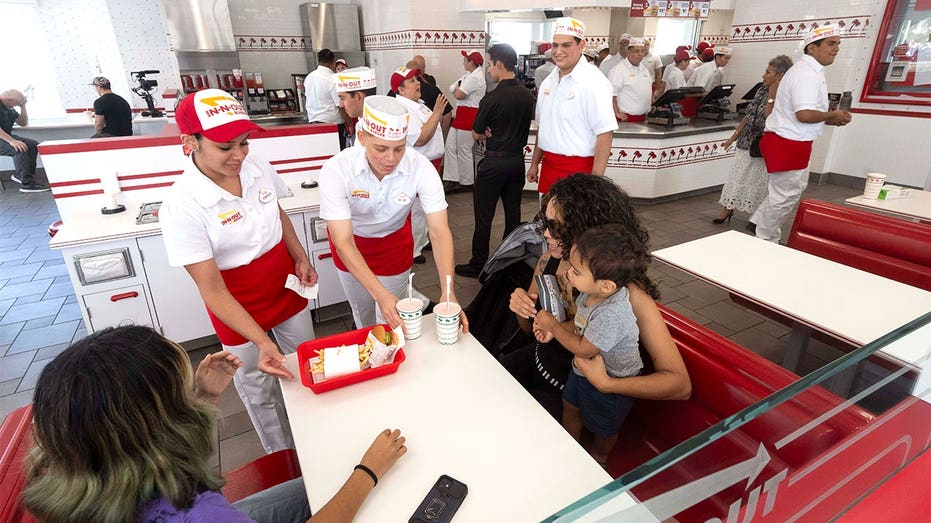
A major fast-food chain is making a deliberate choice to buck industry trends. While competitors invest heavily in apps and kiosks, this company is reaffirming its commitment to traditional, counter-service dining.
The chain’s leadership believes the human element is irreplaceable. They argue that direct interaction fosters better customer service and stronger community ties. This philosophy stands in stark contrast to the wider industry’s automation push.
Many restaurants have embraced digital ordering to improve speed and efficiency. This chain, however, views technology as a potential barrier to personal connection. Their strategy prioritizes staff engagement over transactional speed.
This approach extends to its hiring and training practices. The company invests in its employees to ensure high-quality in-person experiences. They aim to create a welcoming atmosphere that digital interfaces cannot replicate.
The decision is not without risk in a tech-driven market. Consumer expectations for convenience and speed continue to evolve. The chain is betting that a significant customer segment still values human interaction.
Industry analysts are watching this experiment closely. Its success or failure could influence other businesses weighing automation against traditional service models. The outcome may redefine the balance between efficiency and hospitality.
Only time will tell if this commitment to classic service becomes a competitive advantage. For now, it represents a notable dissent from the prevailing direction of the quick-service restaurant industry.