
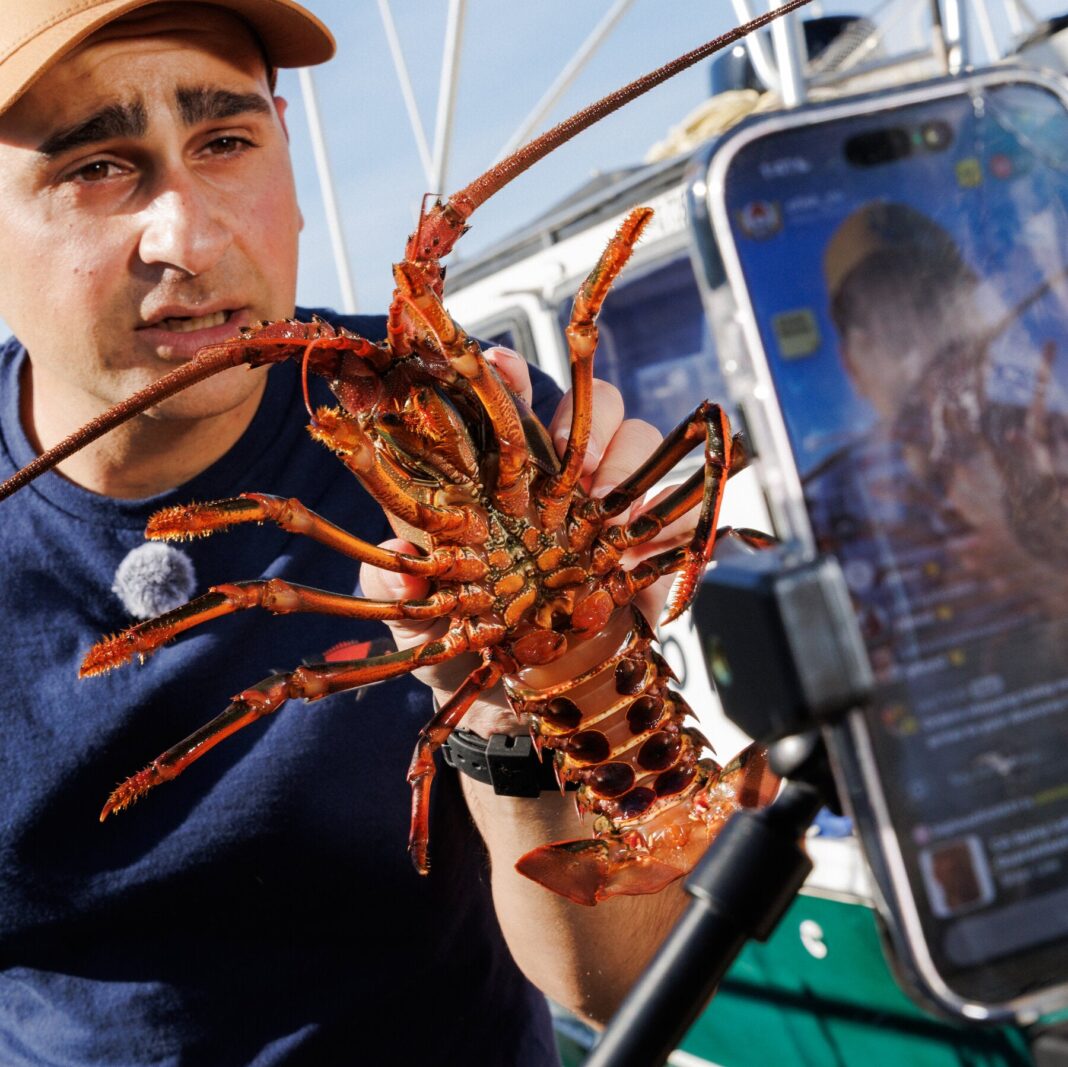
Whatnot, a live-streamed auction app blending elements of eBay and Twitch, has expanded beyond collectibles into perishable food sales. Users now bid on premium items such as Wagyu hot dogs alongside everyday staples like ground beef. The platform’s real-time format adds a social, entertainment-driven layer to traditional online grocery shopping.
The app originally gained traction among collectors trading cards, rare coins, and other sought-after goods. Its live bidding model encourages impulsive purchases through countdown timers and viewer interaction. Food sellers have adapted this format to move high-value inventory quickly.
Livestreamed food auctions introduce unique logistical challenges, including cold-chain shipping and spoilage risks. Sellers must coordinate packing and delivery within tight windows to preserve product quality. Buyers accept these constraints in exchange for access to niche or discounted items.
The trend reflects a broader shift toward experiential e-commerce, where transactions double as entertainment. Whatnot’s audience can watch, comment, and compete in real time, making food purchases feel more like an event than a chore. This engagement model keeps viewers on the platform longer than static listings.
Regulatory questions remain around food safety and seller accountability on live auction platforms. Oversight varies by product type, and enforcement can lag behind fast-moving sales formats. Some industry observers call for clearer labeling and standardized handling rules.
Niche food producers see the app as a way to reach enthusiasts without building a standalone storefront. Small farms and specialty vendors can showcase products live and answer questions directly. The approach lowers barriers to entry for sellers with limited marketing budgets.
Whether live seafood and meat auctions become a lasting channel or a novelty remains uncertain. Early adoption suggests demand exists for interactive buying experiences across diverse categories. The platform’s next challenge is scaling trust and logistics without losing the spontaneity that draws users.