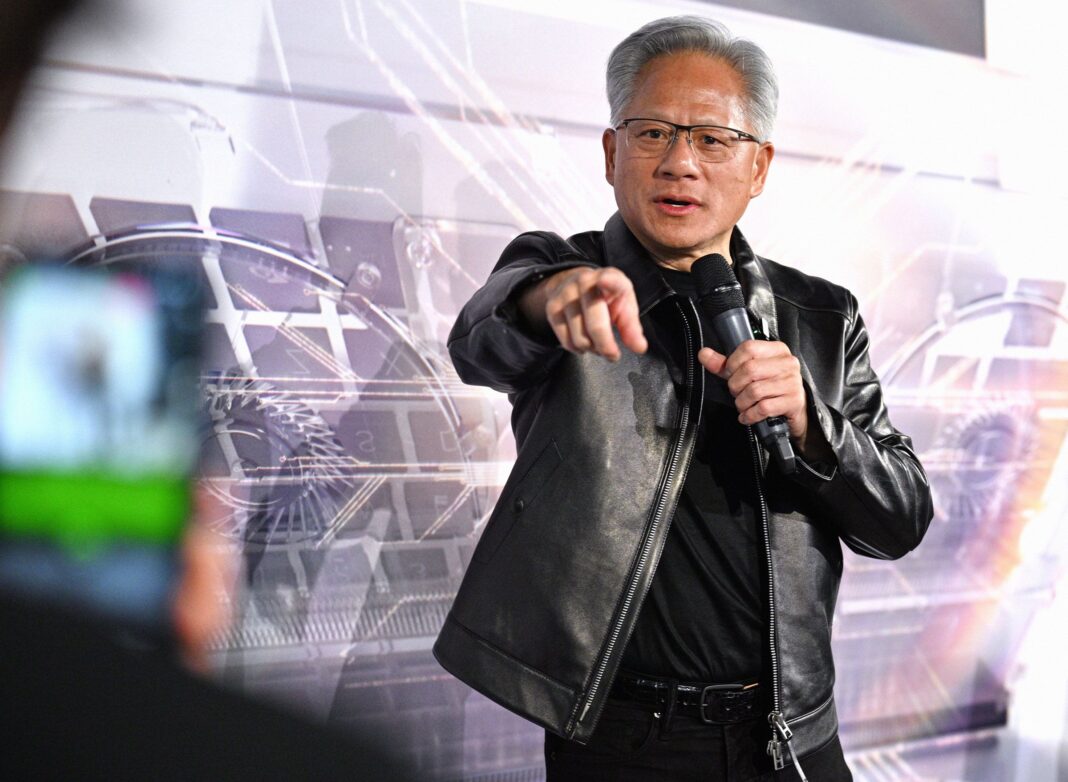
Nvidia employees had mixed reactions to Jensen Huang’s return as CEO. Some saw his resignation as a chance to reshape the company’s culture. One worker said they would refuse future HR trainings if Huang came back.
The chipmaker has grown into a dominant force in artificial intelligence hardware. That growth brought internal pressure over management style and workplace norms. Not everyone welcomed the founder’s return to the top role.
Huang co-founded Nvidia in 1993 and has led it for most of its history. His resignation created space for employees to imagine a different leadership approach. The reaction reveals tension beneath the company’s public success story.
Staff concerns center on culture and training requirements rather than strategy. The comment about HR trainings suggests frustration with mandatory programs. It also signals how strongly some workers tie company culture to its leader.
Nvidia’s position in the AI chip market makes its internal dynamics notable. Talent retention and workplace satisfaction matter in a competitive industry. Leadership transitions often expose fault lines that growth had masked.
Huang’s return restores continuity at a critical moment for the company. Employees who favored change now face the prospect of business as usual. The episode shows that corporate culture debates persist even at high-performing firms.
The company has not publicly addressed individual employee reactions. Nvidia continues to focus on its AI hardware roadmap and customer demand. How the leadership shift affects morale inside the firm remains to be seen.