
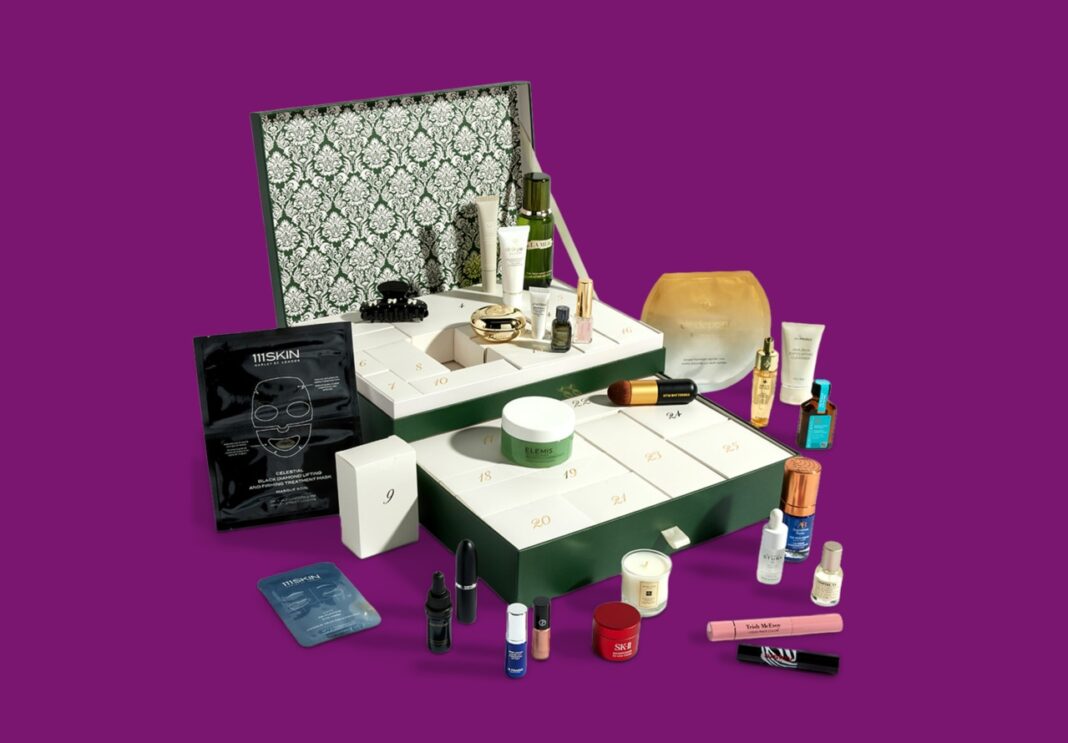
Luxury Advent calendars have seen a sharp rise in sales, with some priced in the hundreds of dollars. The trend has expanded beyond chocolate to include items like sardines and Croc charms. Retailers are betting on novelty to drive holiday spending.
Premium calendars now cater to beauty, food, and hobby audiences. Brands use them to showcase products and attract new customers. The format has shifted from a children’s tradition to a collector’s item.
Social media fuels demand by turning unboxing into shareable content. Limited editions create urgency and encourage early purchases. Many calendars sell out well before December begins.
Critics question whether the format has lost its original meaning. The focus on luxury goods may overshadow the countdown tradition. Some shoppers report fatigue with the growing number of options.
Retailers argue the calendars offer value through bundled samples and exclusive items. Buyers often see them as a way to try products at a lower cost. The model benefits both brands and consumers when executed well.
The market now includes calendars for pets, tea lovers, and fitness fans. Niche themes help smaller brands compete with major retailers. Variety has broadened the appeal across age groups and interests.
Analysts expect the category to keep growing despite economic pressures. Holiday shoppers still prioritize experiences and small luxuries. Advent calendars fit that demand by offering affordable indulgence.