
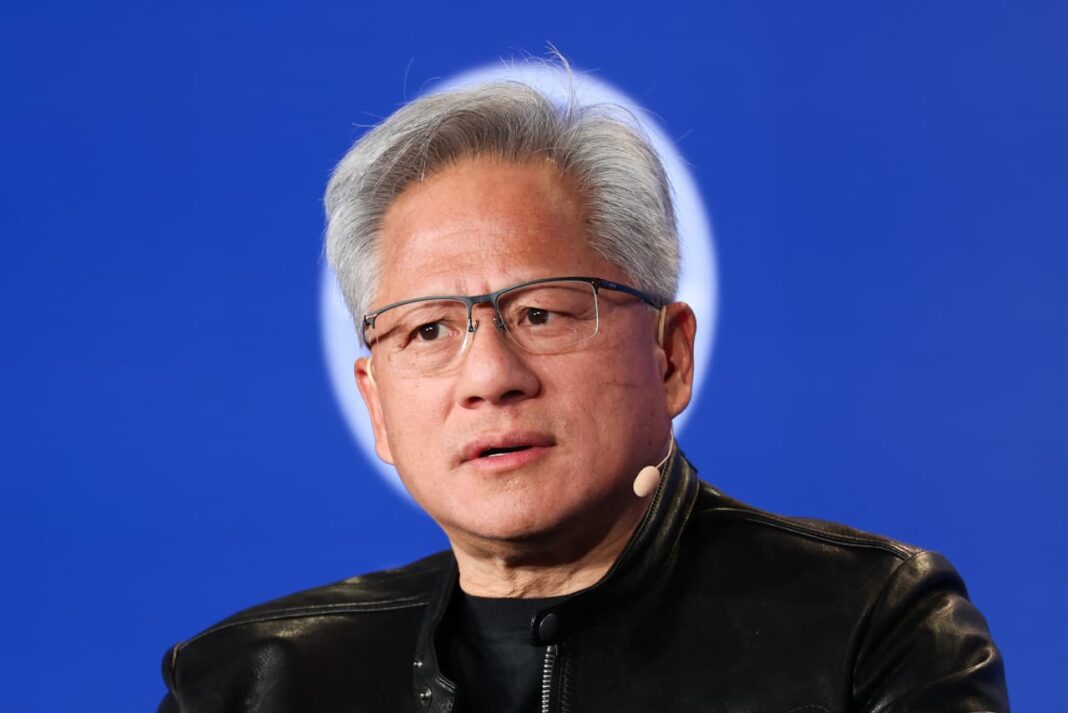
Jensen Huang’s return to Nvidia has sparked mixed feelings among investors. Some criticize his leadership while celebrating their portfolio gains. The tension raises a familiar question about ethical consistency in investing.
One investor described feeling paralyzed during the recent market downturn. Fear of losses made it difficult to act decisively. Yet Nvidia’s rebound delivered strong returns to retirement accounts.
The conflict is common: disliking a company’s direction while benefiting from its stock performance. Critics question whether this makes investors hypocrites. Others argue that portfolio results and personal opinions can coexist.
Nvidia’s rise has boosted many 401(k) plans through broad market exposure. Index funds often hold large positions in the chipmaker. That means everyday savers gain even without buying the stock directly.
Huang’s return signals continuity for the company’s AI strategy. Supporters credit his vision for the rally. Skeptics worry about concentration risk in retirement portfolios.
Financial advisers say emotional reactions to market swings are normal. They recommend focusing on long-term goals rather than individual leaders. Diversification remains a core defense against volatility.
The hypocrisy question may miss the point. Investors rarely control which companies drive their returns. What matters is whether the overall strategy serves their financial future.