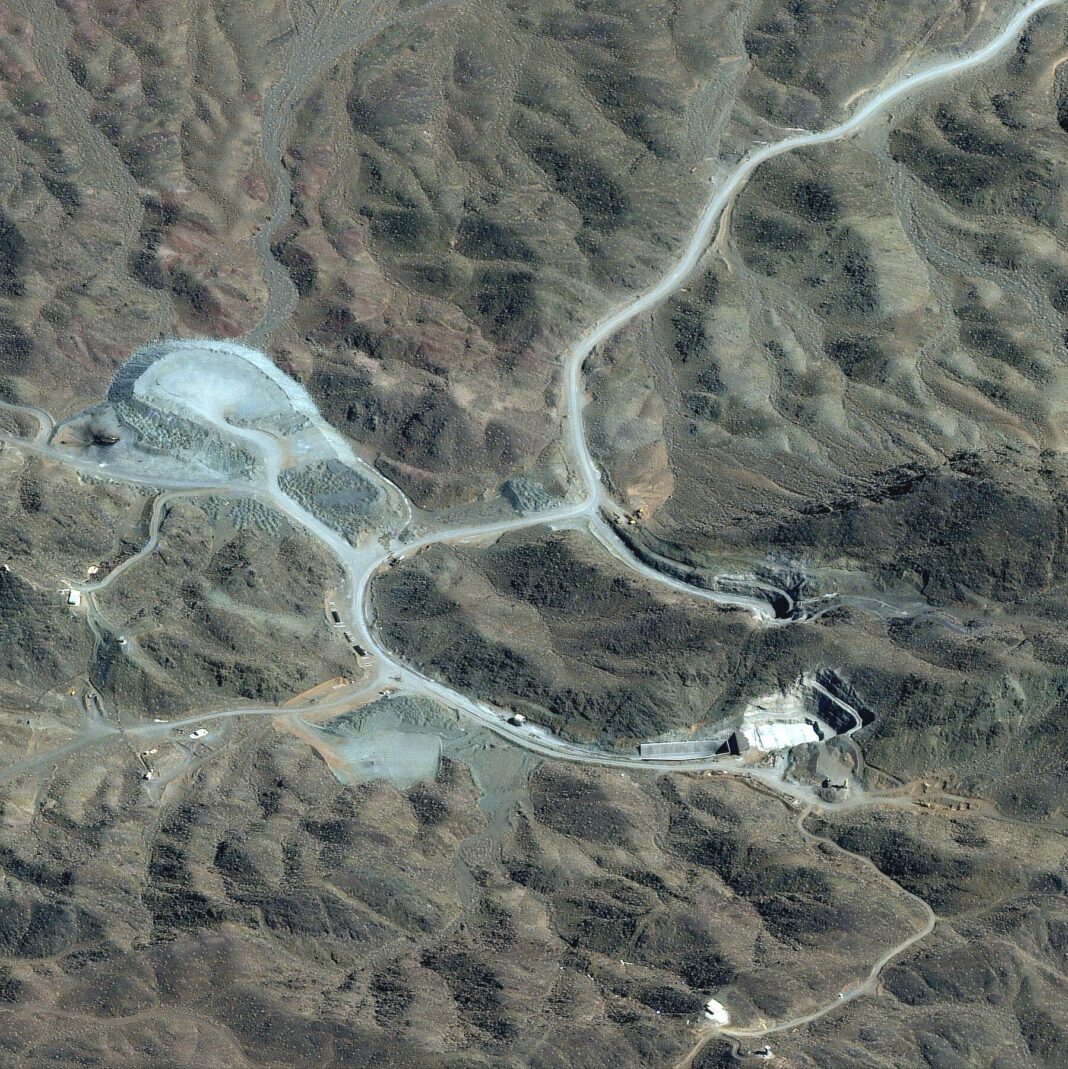
Experts are urging the Trump administration to address a fortified Iranian nuclear site. This facility, known as Pickaxe Mountain, is believed to be highly resistant to conventional military strikes. Its design presents a significant strategic challenge.
The site’s exact capabilities and current status remain largely classified. Intelligence assessments suggest it was constructed deep within a mountain. This makes it a hardened target, potentially impervious to standard airstrikes.
Analysts argue this underscores a broader dilemma in nonproliferation policy. Military force alone may be insufficient to counter such deeply buried facilities. The existence of Pickaxe Mountain complicates traditional deterrence calculations.
Diplomatic and arms control measures are seen by some as increasingly critical. They contend that technology has advanced, allowing nations to shield key assets. This evolution reduces the reliability of preemptive military options.
The site has become a focal point in discussions about Iran’s nuclear ambitions. It symbolizes the ongoing cat-and-mouse game between weapon development and defense. Preventing a nuclear-armed Iran may require a multifaceted strategy.
Officials are reportedly examining a range of responses. These include enhanced sanctions, cyber operations, and renewed diplomatic outreach. The goal is to find a pressure point beyond traditional military threats.
The situation highlights a new era of nuclear security challenges. As nations build more survivable facilities, global nonproliferation efforts must adapt. The future may depend on innovative political and technical solutions.