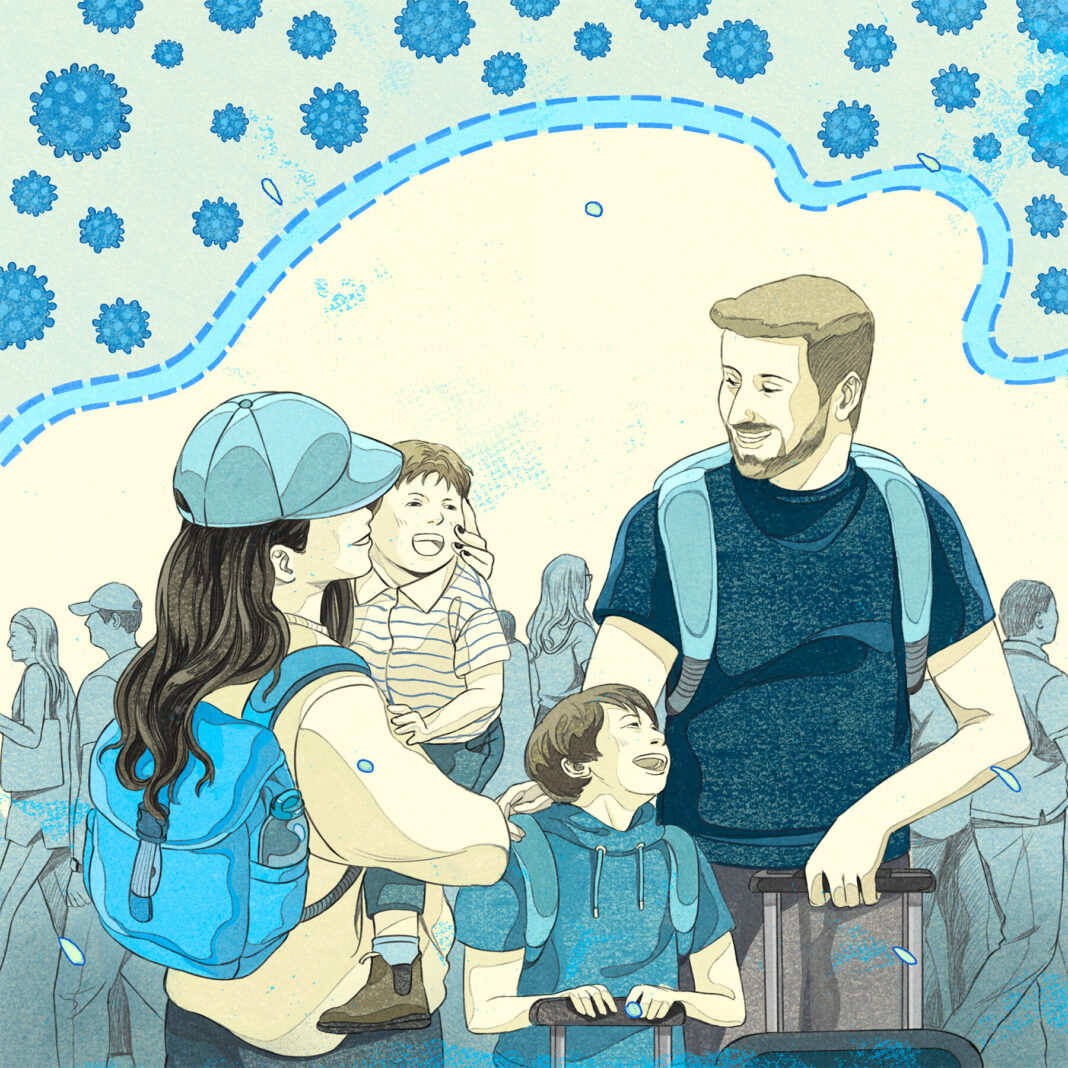
Measles cases are rising globally as vaccination rates decline. Travelers face increased risk of exposure in many destinations. Understanding this threat is crucial for safe journeys.
The measles virus is highly contagious. It spreads through the air via coughs and sneezes. Infected individuals can transmit the disease for days before a rash appears.
Symptoms typically begin with high fever, cough, and runny eyes. A distinctive red rash follows several days later. Serious complications like pneumonia and encephalitis can occur.
International travel significantly increases exposure risk. Airports and airplanes are common transmission sites. Many popular tourist destinations have reported recent outbreaks.
Vaccination remains the most effective protection. The measles, mumps, and rubella (MMR) vaccine is highly reliable. Most people born after 1957 should have received two doses.
Travelers should verify their immunization status before departure. Adults unsure of their history can get a blood test. Doctors can administer booster shots if needed.
Infants as young as six months can receive early doses for travel. Unvaccinated individuals may need to postpone trips to outbreak areas. Consultation with a healthcare provider is essential.
Other vaccine-preventable diseases also require attention. Pertussis and mumps have seen resurgences in some regions. A pre-travel health review ensures comprehensive protection.
Staying informed about health advisories is key. The Centers for Disease Control and Prevention provides destination-specific alerts. Proactive planning ensures a safer travel experience for all.