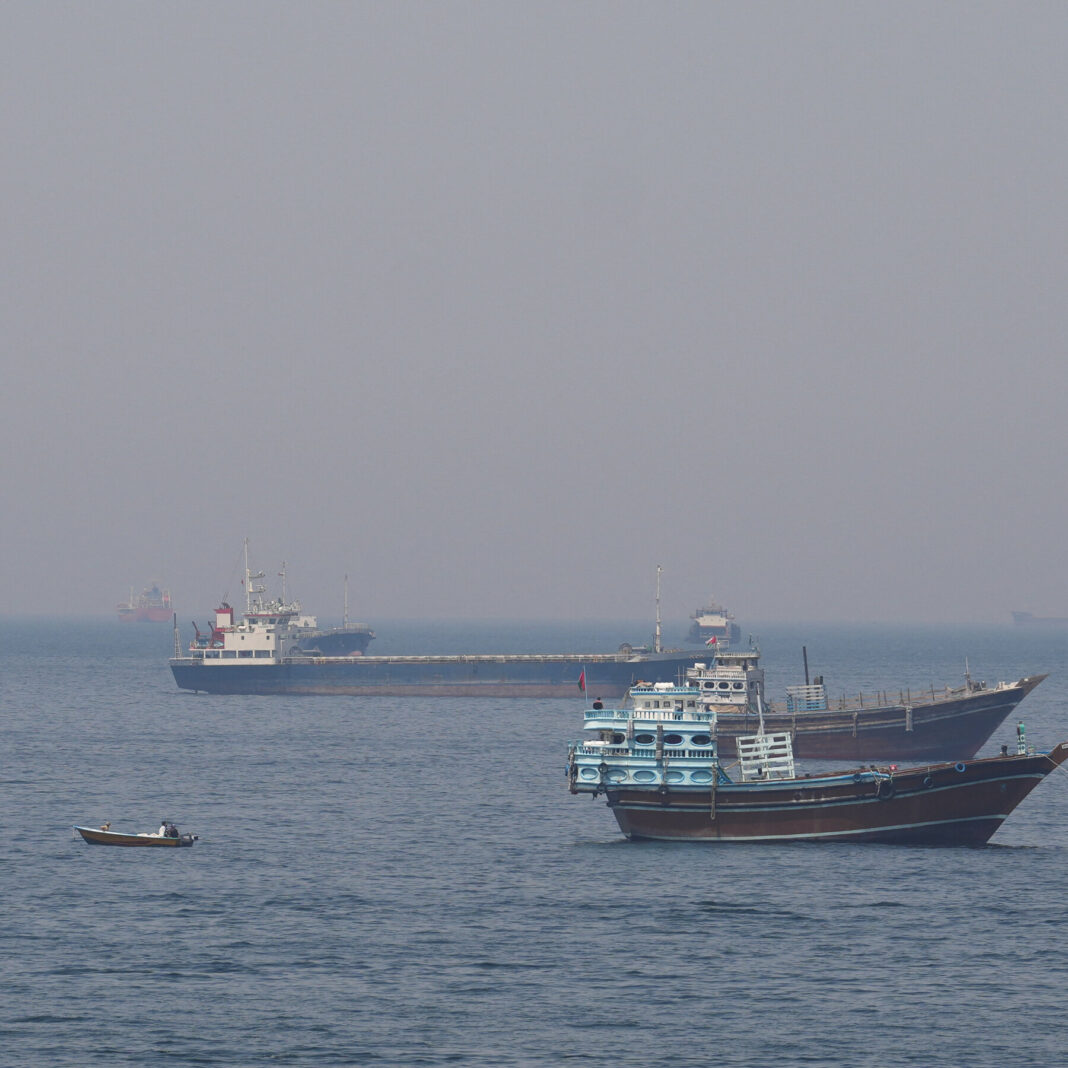
The strategic Strait of Hormuz may face a lasting shift in its global importance. Energy analysts suggest its role as a critical oil and gas corridor is diminishing.
This change comes as nations and corporations actively diversify their supply routes. New pipelines and alternate shipping lanes are reducing reliance on this narrow passage.
Investments in renewable energy sources also contribute to the trend. A global push toward sustainability lessens the world’s dependence on fossil fuels transported through the strait.
Geopolitical tensions in the region have prompted long-term contingency planning. Companies are securing energy from suppliers not requiring transit through the volatile waterway.
Technological advances in liquefied natural gas transport further enable this diversification. LNG tankers can use a wider array of routes compared to fixed pipelines.
The result is a fundamental restructuring of global energy logistics. Whether the strait remains open or faces disruption, its centrality to energy markets is waning.
This evolution indicates a more resilient and distributed global energy network. The industry’s planning reflects a permanent move away from this single geographic choke point.