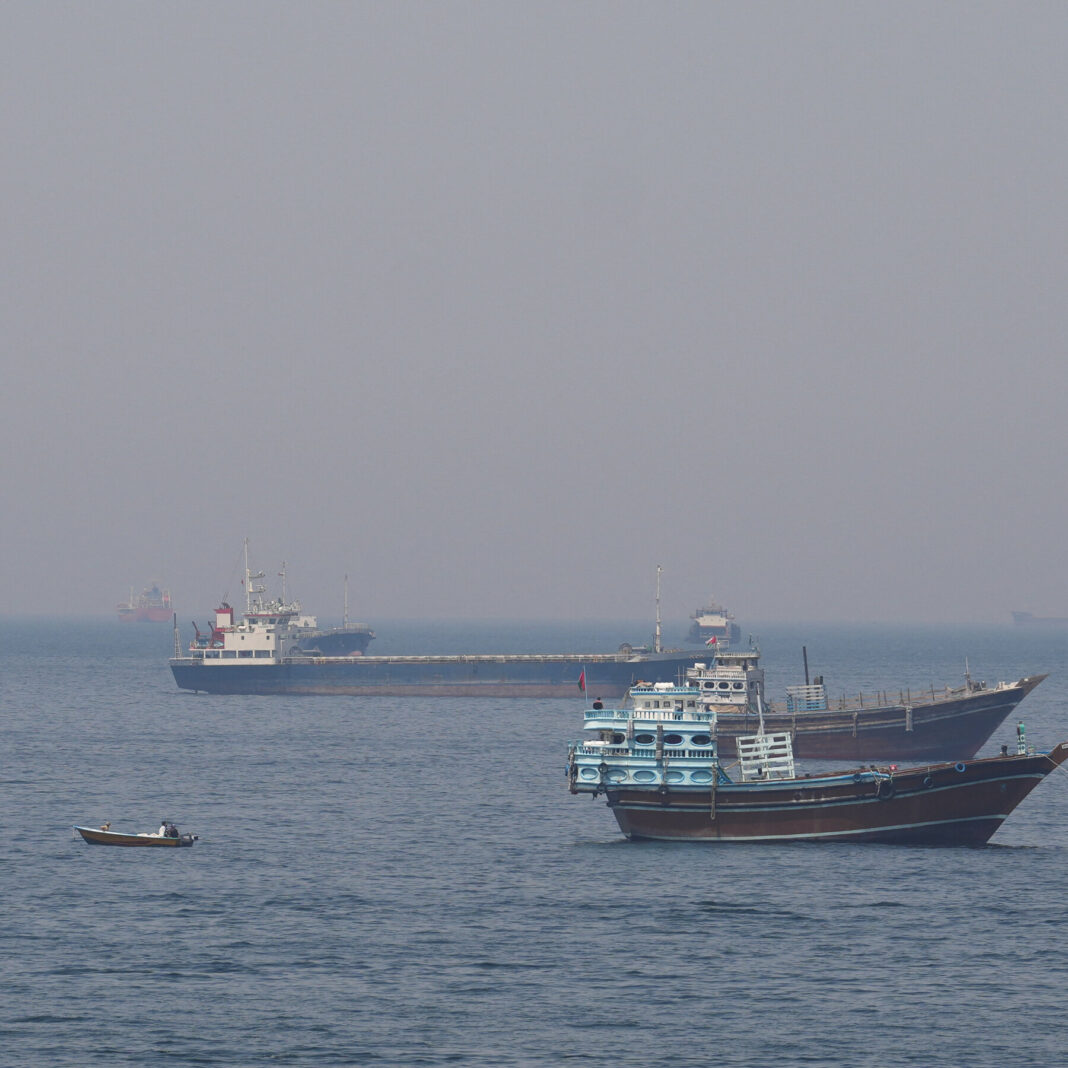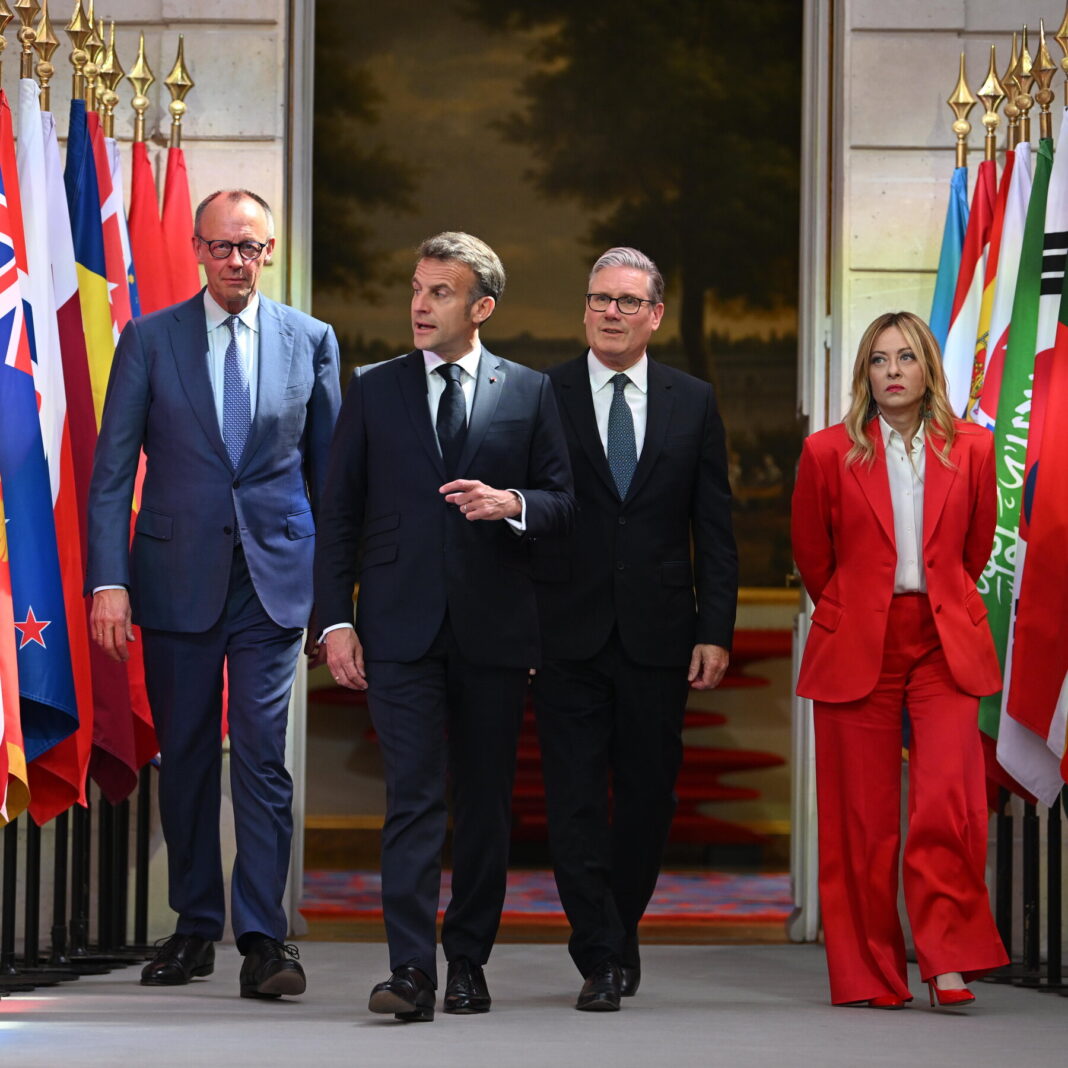
European leaders sought a greater voice in managing tensions with Iran. A joint British-French military proposal aimed to secure the vital Strait of Hormuz. This plan represented a bid for strategic autonomy and influence.
The initiative proposed a European-led naval mission. Its goal was to protect commercial shipping in the key waterway. Such a move would mark a significant operational role for Europe.
Despite this effort, major diplomatic decisions remain dominated by others. Washington and Tehran continue to set the primary terms of engagement. Direct talks between the US and Iran overshadow broader multilateral efforts.
This dynamic leaves European powers in a familiar position. They are important stakeholders yet peripheral in crucial negotiations. Their ability to shape outcomes appears limited.
The proposed security mission highlights a continental ambition. European capitals desire more independent foreign policy leverage. Achieving that autonomy, however, proves challenging.
Current geopolitics reinforce existing power structures. The United States and Iran hold the central cards. European influence is often conditional on alignment with Washington’s stance.
Consequently, Europe’s role is largely reactive rather than directive. The continent responds to developments it did not create. For now, it watches from the sidelines as others dictate the pace.