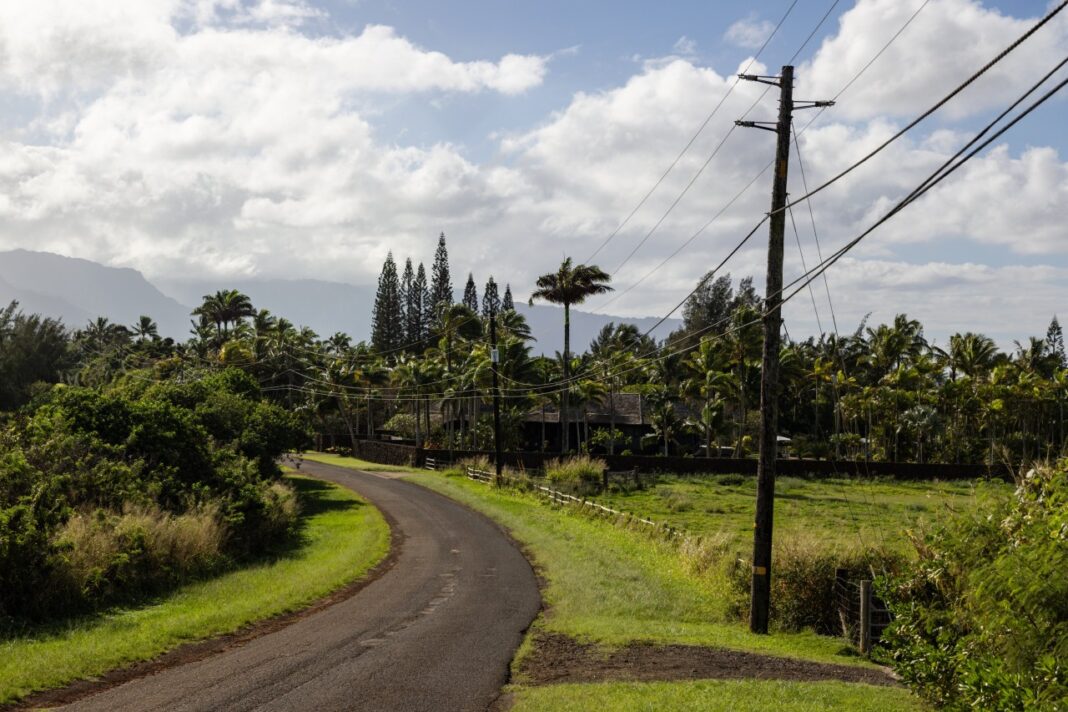
Hawaii and Alaska face steep electricity price increases. These states rely heavily on imported oil for power generation. Their isolation and fuel costs drive bills higher.
Most of the continental U.S. is seeing relief. Lower natural-gas prices have provided a buffer. This divergence highlights a stark energy divide.
Hawaii’s power costs are among the nation’s highest. Its geographic remoteness complicates fuel delivery. The state’s grid depends on shipped-in petroleum.
Alaska’s vast terrain creates similar challenges. Many communities use diesel generators for electricity. Transportation and logistics add significant expense.
Global oil market volatility directly impacts these regions. Price fluctuations translate quickly to consumer bills. There is little immediate insulation from shocks.
The contrast with mainland energy trends is pronounced. Natural gas abundance has lowered costs elsewhere. This fuels economic and competitive disparities.
Long-term solutions remain under discussion. Both states are examining renewable energy investments. Reducing fossil fuel dependence is a stated goal.