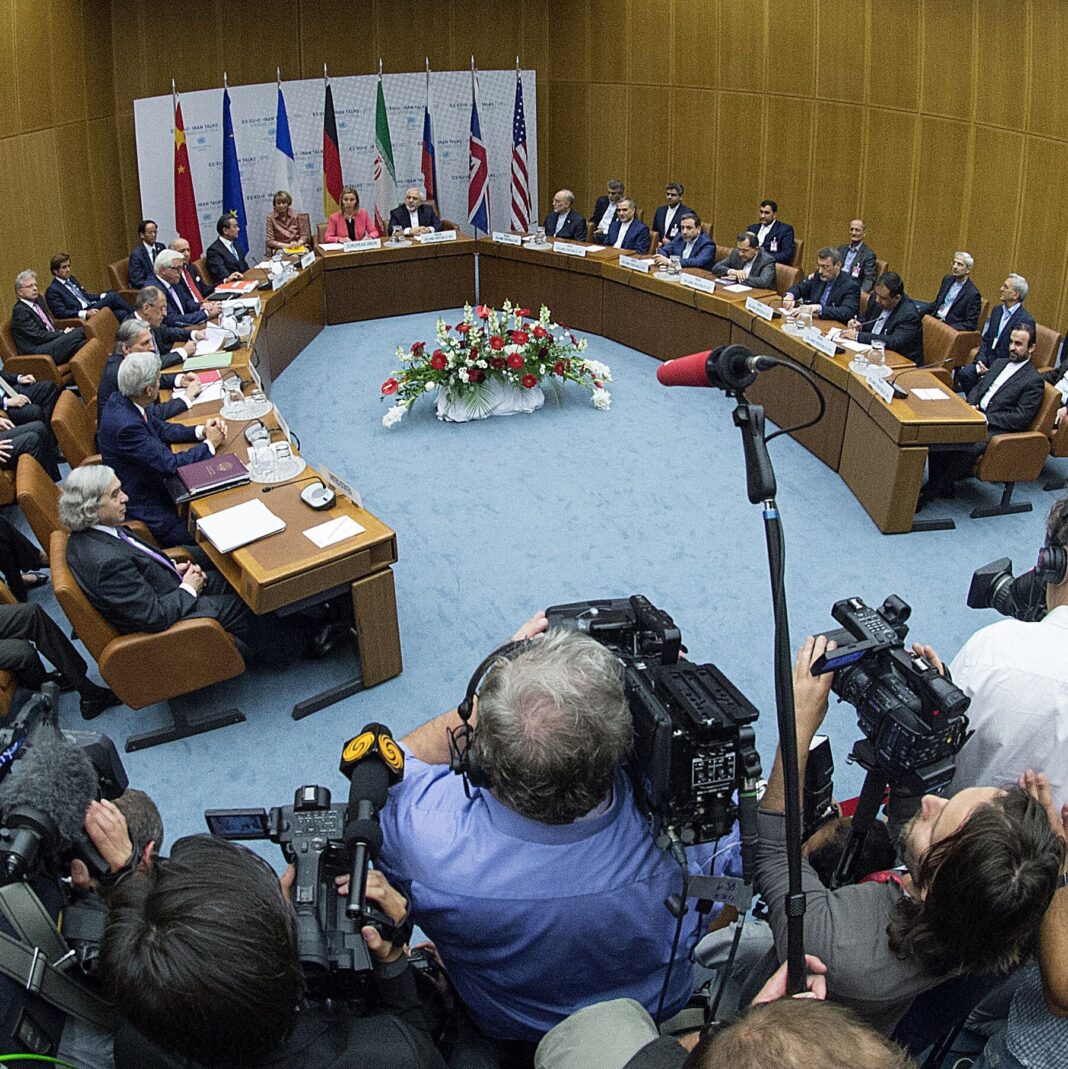
The 2015 Iran nuclear deal was a landmark international agreement. It aimed to curb Iran’s nuclear program in exchange for sanctions relief. Major world powers, including the United States, negotiated the pact.
Formally known as the Joint Comprehensive Plan of Action, it imposed strict limits. Iran agreed to reduce its stockpile of enriched uranium. It also accepted rigorous international monitoring of its nuclear facilities.
In return, economic sanctions on Iran were lifted. This allowed the country to re-enter the global financial system. The deal was designed to prevent Iran from developing a nuclear weapon.
The agreement faced significant political opposition from the start. Critics argued it did not address Iran’s regional activities. Others believed its terms were not permanent enough.
In 2018, President Donald Trump withdrew the United States from the deal. He reinstated severe economic sanctions on Iran. This move fractured the international consensus supporting the agreement.
Following the U.S. exit, Iran began gradually violating the pact’s limits. It increased its uranium enrichment activities beyond allowed levels. Tensions in the region subsequently escalated.
The deal’s future remains uncertain. Subsequent diplomatic efforts have struggled to revive the original agreement. The 2015 pact continues to be a central issue in global nonproliferation discussions.