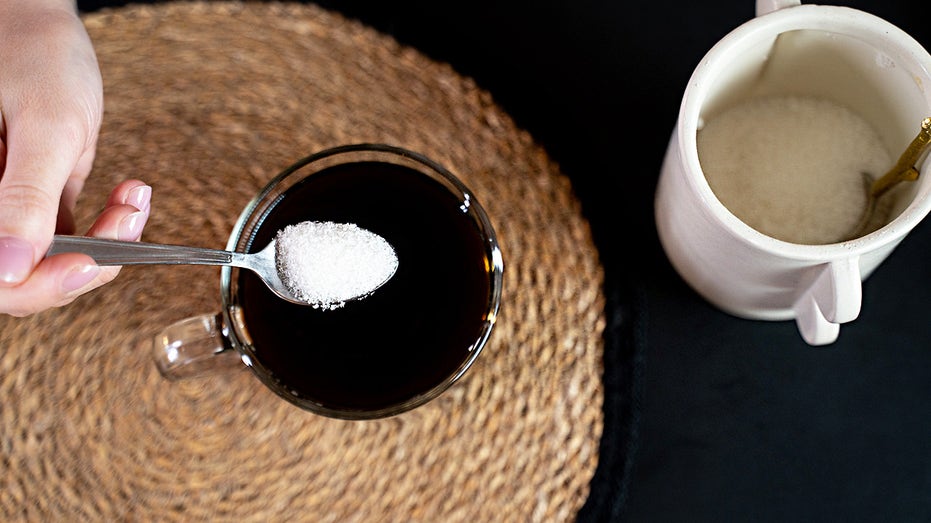
Zero-calorie sweeteners may pose risks extending beyond immediate health, a new study has warned. Researchers found that these sugar substitutes could potentially impact future generations through changes in genetic inheritance.
The study, published in a peer-reviewed journal, examined the effects of common zero-calorie sweeteners on cellular processes. Scientists observed alterations in DNA methylation, a mechanism that regulates gene expression. These changes were passed down to offspring in animal models.
Experts noted that the findings challenge long-held assumptions about the safety of artificial sweeteners. While previous research focused on individual consumption, this study suggests multigenerational implications. The effects were seen even at standard dietary intake levels.
Male animals exposed to the sweeteners showed distinct changes in sperm cells. These modifications were linked to metabolic and behavioral shifts in subsequent generations. Female offspring displayed altered glucose metabolism and increased anxiety-like behaviors.
The sweeteners tested included aspartame, sucralose, and saccharin. All three triggered measurable genetic alterations in the study. The degree of impact varied, with saccharin producing the most pronounced changes.
Industry representatives have questioned the study’s methodology and relevance to human consumption. They argue that animal models do not always translate to human biology. However, independent researchers have called for further investigation in human populations.
Public health officials currently recommend moderate intake of zero-calorie sweeteners. The study’s authors suggest revising these guidelines to account for potential reproductive risks. Consumers are advised to consider whole foods as alternatives.