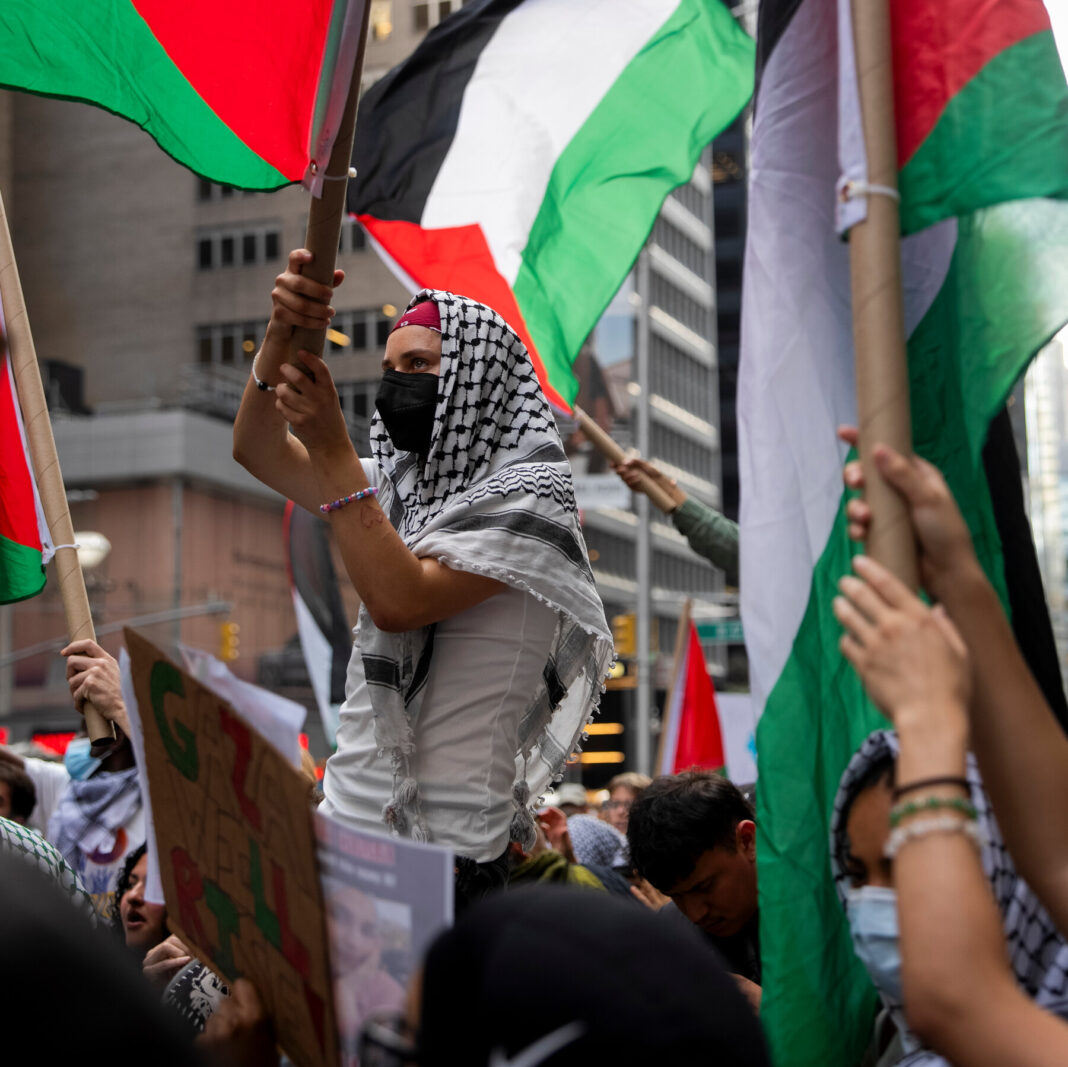
Under the Trump administration, green card applicants are now facing increased scrutiny over their views on Israel. New guidance instructs immigration officers to treat participation in pro-Palestinian protests and criticism of Israel as “overwhelmingly negative” factors.
The policy affects individuals seeking lawful permanent residency in the United States. It marks a significant shift in how the government evaluates applicants’ political associations and public expressions.
According to the guidance, any involvement in demonstrations opposing Israeli policies could harm an applicant’s case. Officers are advised to weigh such activity heavily against approval.
This move expands the administration’s broader approach to immigration enforcement. It ties national security concerns to foreign policy stances, particularly regarding Israel.
Critics argue the policy risks punishing free expression protected under the First Amendment. They warn it could target individuals who engage in lawful protest, regardless of their intent.
The guidance does not specify exact definitions for what qualifies as criticism or protest. This leaves room for subjective interpretation by individual officers.
Applicants may now face difficult choices between expressing political views and securing residency. Legal experts anticipate a rise in challenges and appeals based on this policy.
The new scrutiny applies to both first-time applicants and those adjusting their status. It adds another layer of complexity to an already demanding immigration process.
Supporters of the policy say it aligns with U.S. commitments to Israel. They argue it filters out individuals with hostile views toward a key ally.
The long-term impact on immigration patterns remains unclear. However, the change could discourage certain applicants from pursuing residency altogether.