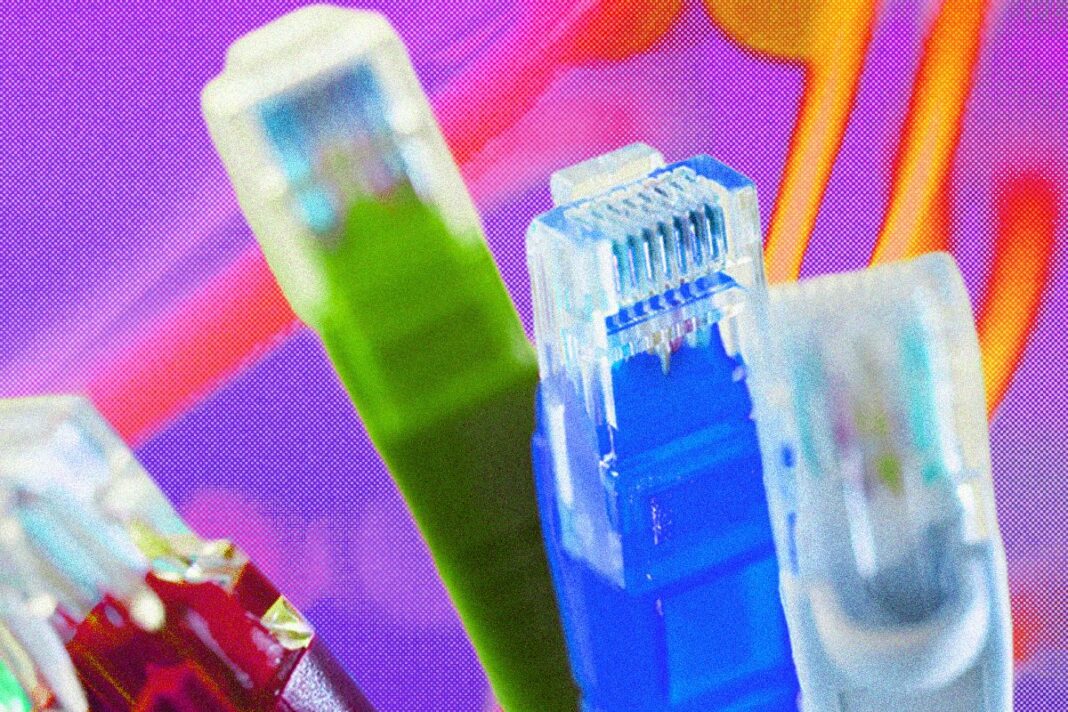
Ethernet is a wired networking technology that connects devices such as computers, routers, and switches to a local area network (LAN). It uses physical cables to transmit data, offering a stable alternative to wireless connections.
The technology relies on a set of standards known as IEEE 802.3, which define how devices communicate over a wired link. These standards ensure compatibility across different manufacturers and equipment.
Ethernet cables vary in category, with Cat5e, Cat6, and Cat6a being common for home and office use. Higher categories support faster speeds and better performance over longer distances.
Wired networks generally provide lower latency and fewer interference issues compared to Wi-Fi. This makes Ethernet ideal for gaming, streaming, large file transfers, or any task requiring a reliable connection.
To set up an Ethernet connection, a device needs a network interface card (NIC) and a cable linking it to a router or switch. Most modern computers have built-in Ethernet ports.
Security is another advantage, as physical cables make it harder for unauthorized users to intercept data. This contrasts with wireless networks, which can be vulnerable to eavesdropping.
While Ethernet requires cabling and limits device mobility, its speed and consistency remain unmatched for many applications. The technology continues to evolve, with newer standards supporting multigigabit speeds.