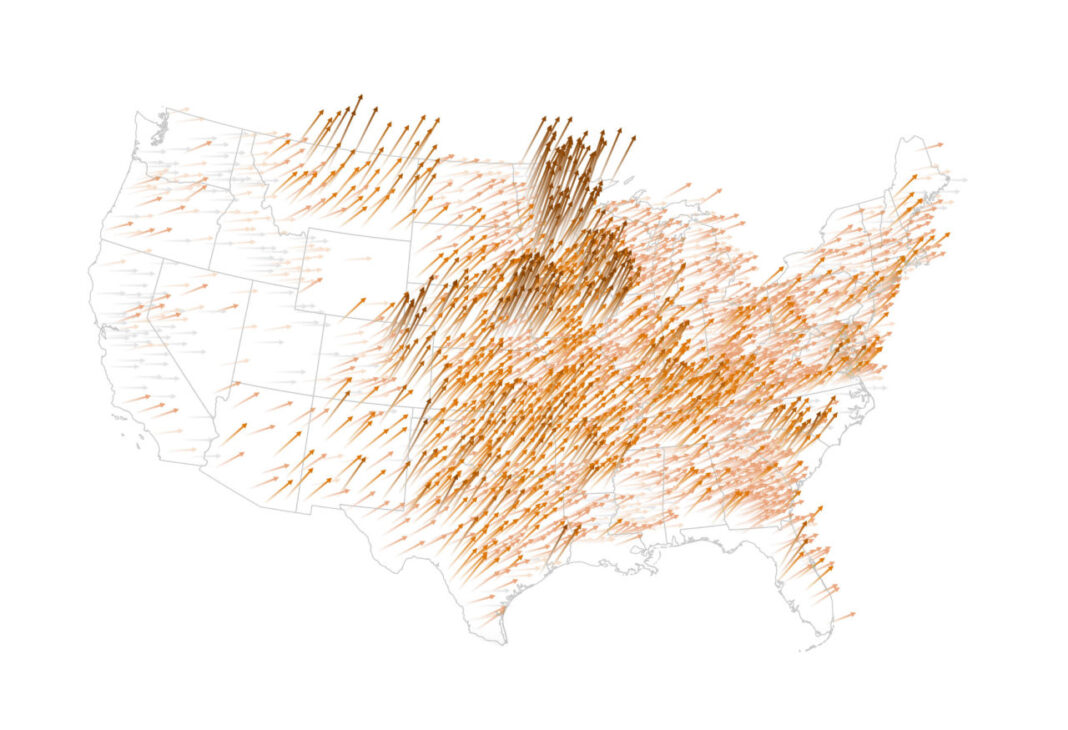
Natural disasters are reshaping home-insurance costs across the United States. Hailstorms, wildfires, and wind damage are now driving premium increases in regions once considered safe from major rate hikes. A Wall Street Journal analysis of insurance premiums identified this shift.
Areas previously shielded from the worst financial impacts now face steep price changes. Homeowners in parts of the Midwest and Southeast, for example, are seeing larger rate adjustments than those in traditional high-risk zones. The analysis examined premium data from multiple insurers and states.
The frequency of severe weather events is a primary factor. Hailstorms, once sporadic, now cause billions in claims annually. Wildfires have expanded beyond western states, threatening communities in unexpected areas. Wind damage from storms and hurricanes affects a broader geographic range.
Insurance companies are recalibrating their risk models. They now account for climate trends, not just historical data. This recalibration leads to higher premiums for many homeowners, even those without a recent claim.
Homeowners should review their policies carefully. Understanding coverage limits and deductibles can prevent surprises. Comparing quotes from multiple insurers remains a practical step.
Some states have implemented regulatory changes to manage rate increases. Others have allowed insurers to raise prices more freely. These regulatory differences create varied impacts across the country.
Long-term strategies for homeowners include investing in property upgrades to reduce risk. Stronger roofs, fire-resistant materials, and storm shutters can lower premiums. These improvements also enhance property resilience.
The insurance landscape continues to evolve with changing climate patterns. Homeowners should stay informed about local risks and policy options. Proactive steps today can mitigate financial shocks tomorrow.