The Supreme Court has permitted the Trump administration to end humanitarian protections temporarily while legal challenges proceed. This approach has appeared in several cases involving temporary protected status and other relief programs.
In past decisions, the court allowed the government to phase out protections for immigrants from certain countries. These rulings came while lower courts reviewed the legality of the administration’s actions.
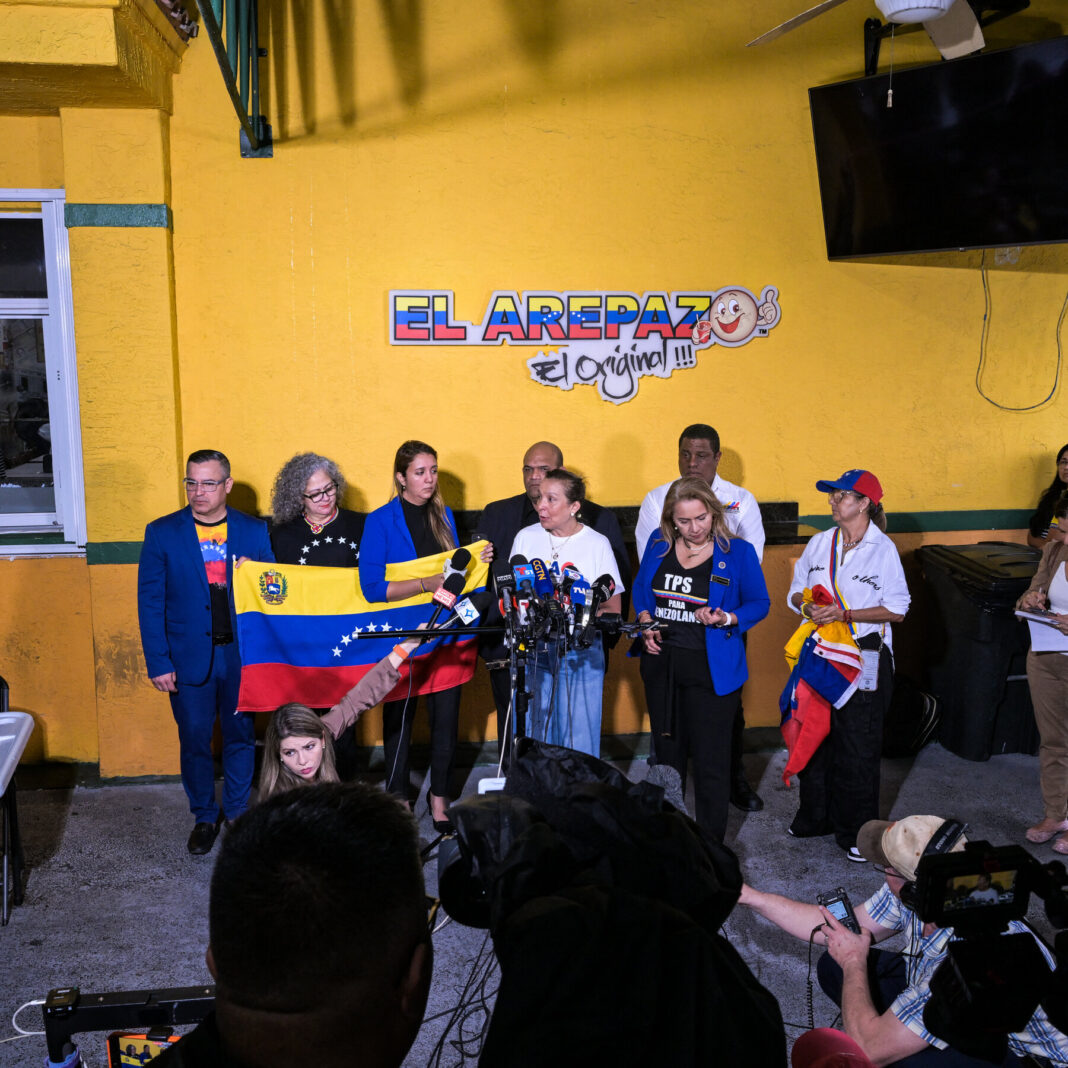
One notable case involved immigrants from Haiti, El Salvador, and other nations. The administration sought to end their Temporary Protected Status, or TPS, which had shielded them from deportation.
The Supreme Court did not rule on the merits of those cases. Instead, it granted stays that let the administration move forward with ending protections during the litigation process.
This pattern has created uncertainty for hundreds of thousands of immigrants. They face potential removal while courts decide whether the government’s actions are lawful.
The court’s decisions often hinge on the government’s likelihood of success in later appeals. Justices have weighed this against potential harm to affected individuals.
These temporary rulings do not represent final judgments. They reflect the court’s role in managing cases before a full legal resolution.
For immigrants and advocates, the outcomes remain unpredictable. Each new case can shift the balance between executive power and humanitarian protections.
The current administration has continued similar attempts to end protections. This ongoing legal battle will likely reach the Supreme Court again in the future.